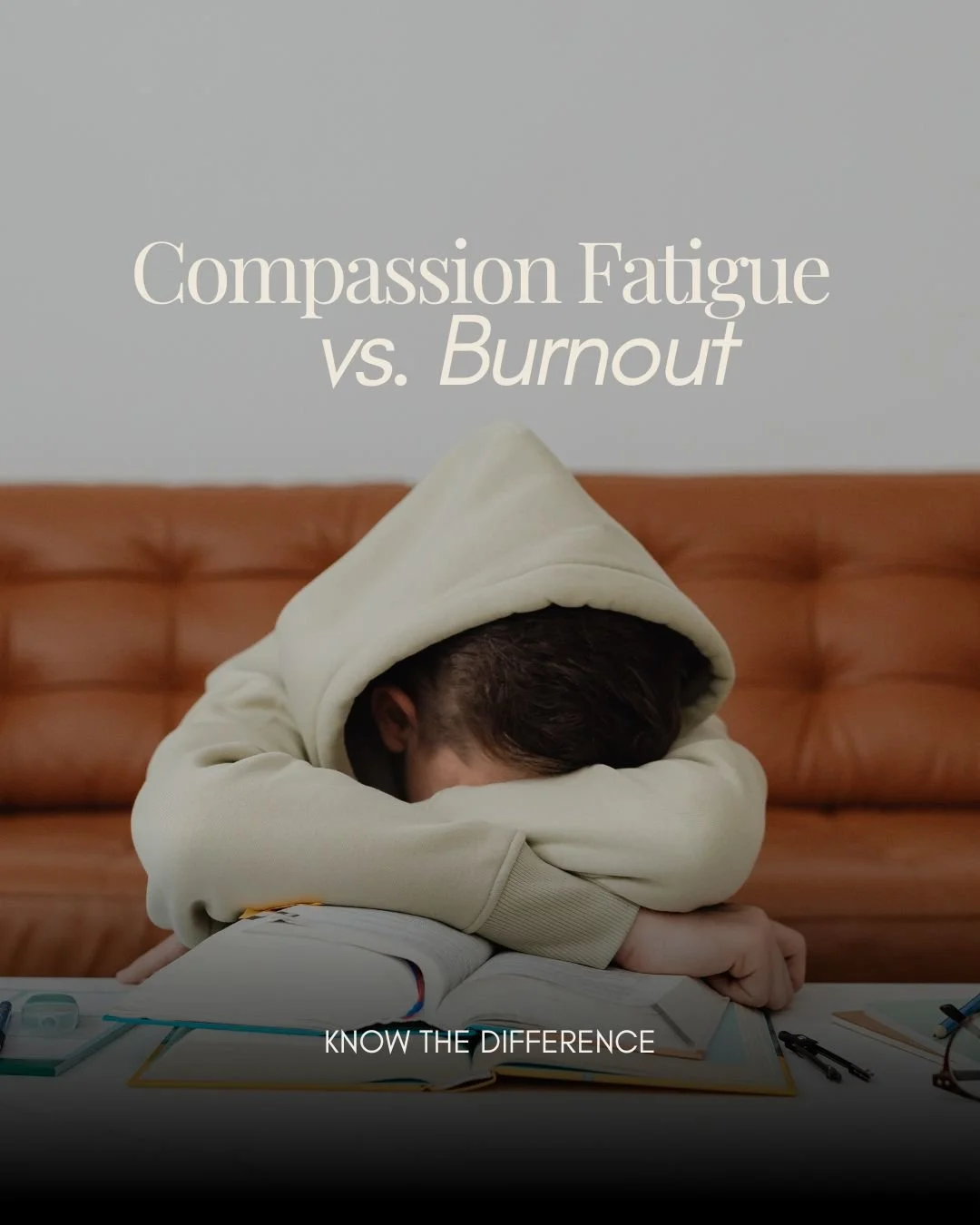
Compassion Fatigue vs. Burnout: How Rescuers Cross the Line Without Noticing
Rescue work asks the heart to stretch farther than most people will ever understand. This article offers a deep exhale — a grounded, practical guide to recognizing when compassion turns into depletion, and how to rebuild your inner landscape with sustainable living habits that support your wellbeing for the long haul.
Rescuers rarely realize they’re running on fumes until something small (a missed call, a harsh comment online, a dog returned after adoption) hits harder than it should. Not because they’re weak. Because they’ve been strong for too long without a pause.
Compassion fatigue and burnout are two different forms of depletion, but in rescue work, they often blend together. Understanding the difference is the first step toward reclaiming your energy, your clarity, and your ability to keep showing up without losing yourself in the process.
This isn’t a crisis‑framed article. It’s a grounding one, a reminder that your wellbeing matters as much as the animals you fight for.
What Compassion Fatigue Really Is
Compassion fatigue is the emotional and physical exhaustion that comes from caring deeply for beings who are suffering. It’s not a character flaw. It’s not a lack of resilience. It’s the natural cost of sustained empathy.
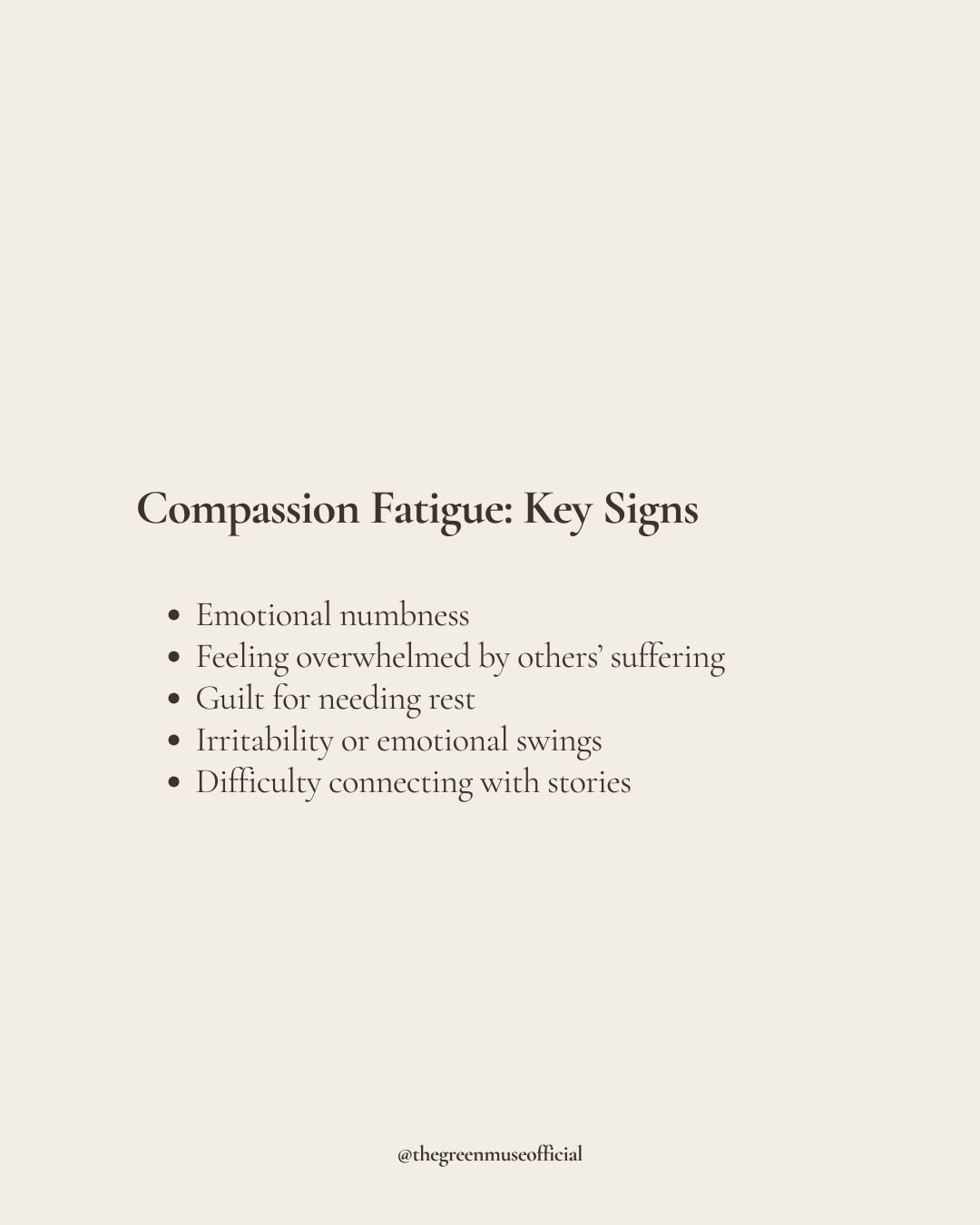
For rescuers, compassion fatigue often shows up as:
Feeling emotionally “numb” even when you care
Struggling to connect with stories that used to move you
Feeling guilty for needing space
A sense of heaviness that doesn’t lift, even after rest
Irritability or impatience with people who mean well
Compassion fatigue is rooted in emotional overload, too many stories, too many emergencies, too many losses without enough time to process any of them.
What Burnout Really Is
Burnout is different. It’s the slow erosion of your capacity to function under chronic stress.
Where compassion fatigue is emotional, burnout is systemic, the result of long-term pressure, unrealistic expectations, and the constant feeling that you must do more with less.
Burnout often looks like:
Mental fog or difficulty making decisions
Feeling detached from your work
Constant exhaustion that sleep doesn’t fix
A sense of failure or inadequacy
Reduced ability to cope with everyday tasks
Burnout is the body’s way of saying, “I can’t keep operating at this pace.”
Why Rescuers Cross the Line Without Noticing
Rescue work creates a unique emotional environment:
High stakes — lives depend on you
High urgency — everything feels time‑sensitive
High empathy — you feel the animals’ fear, pain, and hope
High responsibility — you carry the weight of outcomes you can’t control
This combination makes it incredibly easy to miss the early signs of depletion. You’re too busy saving others to notice you’re losing pieces of yourself.
And because rescue culture often celebrates self‑sacrifice, many rescuers normalize exhaustion as “just part of the work.”
But depletion isn’t a badge of honor. It’s a warning light.
Early Warning Signs You Should Never Ignore
These signs often appear long before full burnout or compassion fatigue sets in. They’re subtle, but they matter.
1. Your emotional reactions shift
You might notice:
Crying more easily
Not crying at all
Feeling irritated by small things
Feeling disconnected from stories that used to move you
Emotional shifts are often the first sign that your internal reserves are thinning.
2. Your language changes
Pay attention to phrases like:
“I can’t keep up.”
“It’s never enough.”
“I’m so tired of caring more than everyone else.”
“I don’t even feel anything anymore.”
Language reveals what the body already knows.
3. Your boundaries soften without you noticing
You start saying yes to:
One more intake
One more emergency
One more late‑night message
One more volunteer shift
Not because you want to — but because you feel you should.
4. Your body starts whispering
Before it screams, it whispers:
Headaches
Stomach tension
Shallow breathing
Trouble sleeping
A constant sense of being “on alert”
These are not inconveniences. They’re signals.
5. You lose your sense of joy
Not the big joy — the small, everyday joy:
A dog’s tail wag
A cat’s slow blink
A successful adoption
A quiet morning
When joy feels muted, it’s time to pause.
How Compassion Fatigue and Burnout Overlap — and Why It Matters
While they’re different, compassion fatigue and burnout often feed each other.
Compassion fatigue drains your emotional reserves.
Burnout drains your physical and cognitive reserves.
Together, they create a cycle of depletion that feels impossible to break.
Recognizing which one you’re experiencing helps you choose the right kind of recovery.
A Sustainable Approach to Recovery
Recovery doesn’t mean stepping away from rescue work. It means stepping back into yourself.
Here’s how to rebuild your energy in ways that are realistic, sustainable, and aligned with the life you’re trying to create — including the sustainable home and low‑tox cleaning habits that support your wellbeing rather than drain it.
1. Reclaim small pockets of stillness
You don’t need a retreat. You need five minutes of quiet where no one needs anything from you.
Try:
Sitting outside with your feet on the ground
Drinking water without multitasking
Taking three slow breaths before responding to a message
Stillness is not indulgent. It’s maintenance.
2. Create a sustainable home that supports your nervous system
Your home should feel like a place that gives back to you.
Small shifts help:
Decluttering one surface
Opening windows for fresh air
Using low‑tox cleaning products that don’t overwhelm your senses
Choosing eco‑friendly home essentials that feel grounding and simple
A sustainable home isn’t about perfection. It’s about creating an environment that doesn’t add to your overwhelm.
3. Build micro‑boundaries
Not the big, dramatic ones. The tiny ones that protect your energy without disrupting your life.
Examples:
“I’ll respond in the morning.”
“I can take one intake this week, not three.”
“I’m logging off at 9 PM.”
Micro‑boundaries create macro‑relief.
4. Reconnect with your body
Your body keeps the score long before your mind catches up.
Try:
Stretching for 30 seconds
Drinking water before coffee
Eating something nourishing before a long day
Taking a slow walk without your phone
These are not wellness trends. They’re acts of self‑respect.
5. Rebuild your emotional capacity gently
Compassion fatigue requires emotional replenishment.
You can try:
Talking to someone who understands rescue work
Journaling without judgment
Allowing yourself to feel one emotion at a time
Letting yourself cry when you need to
Emotional recovery is not linear. It’s cyclical.
6. Reevaluate your “why”
Burnout often disconnects you from your purpose.
Revisiting your “why” can help you reconnect with:
The animals you’ve saved
The lives you’ve changed
The community you’ve built
The impact you’ve made
Purpose is a renewable resource, but only when you give it space to breathe.




You Deserve to Feel Whole
Rescue work is heart‑work. It’s demanding, beautiful, exhausting, and profoundly meaningful.
But you are not meant to carry it alone. You are not meant to run on empty. And you are not meant to lose yourself in the process of saving others.
Compassion fatigue and burnout are not failures. They are invitations; to pause, to breathe, to rebuild, and to return to the work with a steadier heart.
Your wellbeing is not optional. It’s foundational.
And you deserve a life (and a home) that supports you as much as you support everyone else.
Transparency Note
At The Green Muse, we believe ethical advocacy requires clarity and accountability. The following disclaimers explain how we approach rescue advocacy, educational content, and external resource links.
-
At The Green Muse, we use our platform to support animal welfare through education, awareness, and ethical advocacy. When we highlight rescues, shelters, or adoptable animals, we do so as independent advocates and volunteers. We are not financially compensated, contracted, or acting as official representatives of any organization unless explicitly stated.
Our role is to help amplify life-saving work, share accurate information when available, and encourage informed, compassionate action within the animal rescue community.
-
Links to external websites — including rescue pages, nonprofit organizations, donation platforms, and wishlists — are provided for informational and awareness purposes only. The Green Muse does not own, operate, or control these third-party sites and is not responsible for their content, availability, policies, or outcomes.
We encourage readers to conduct their own due diligence, ask questions directly, and support organizations in ways that feel aligned and responsible to them.
-
All content published on The Green Muse is intended for educational and awareness purposes. Articles discussing shelter systems, rescue terminology, animal welfare practices, or advocacy topics are not a substitute for professional advice, veterinary care, legal counsel, or direct communication with shelters or rescue organizations.
Situations involving animal health, behavior, intake decisions, or adoption requirements can vary widely. When considering adoption, fostering, transport, or medical care, always consult qualified professionals and the organizations directly involved.
-
We are committed to maintaining an ethical, accurate, and respectful Rescue Directory and educational resource library. While we research and verify information to the best of our ability, details can change quickly within shelter and rescue systems.
If you are affiliated with an organization listed — or notice outdated or incorrect information — we welcome your input. Community collaboration helps ensure animals, advocates, and organizations are represented with care, clarity, and integrity.
📩 Contact: hello@thegreenmuseblog.com
