Why Beagles Are Used in Laboratories — And How We Can Help End Animal Testing
A calm, clear look at why beagles remain one of the most commonly used animals in laboratory testing — and how everyday choices, from low‑tox cleaning to eco‑friendly home essentials, can help shift entire industries toward sustainable living and cruelty‑free practices.
Why Beagles Are Used in Laboratories — And How We Can Help Them
Beagles are known for their gentle nature, steady temperament, and deep trust in humans. These same qualities, the ones that make them beloved family companions, are also the reason they are disproportionately used in laboratory testing around the world.
This article is not meant to overwhelm. It’s meant to clarify, educate, and empower. A deep exhale. A grounded understanding of the system so we can help change it.
And because advocacy is strongest when paired with practical action, this piece also includes a clear, editorial guide to brands that still test on animals and the ethical alternatives that support a more sustainable home.
Why Beagles Are Used in Laboratories
1. Their temperament makes them “easy to handle”
Beagles are gentle, trusting, and rarely aggressive. In a laboratory setting, this makes them easier for technicians to manage. It’s a heartbreaking reality, but an important one to understand.

2. Their size is convenient
They are small enough to house in large numbers, yet large enough for repeated testing procedures. This makes them a “practical” choice for labs — not an ethical one.
3. They adapt to confinement
Beagles are pack animals. Their desire for companionship and approval means they often adapt to restrictive environments more easily than other breeds. This adaptability is exploited.
4. Their physiology is predictable
Their bodies respond to medications and chemicals in ways that researchers can measure consistently. This predictability keeps them in the system.
None of these reasons justify the practice, but they explain why it continues.
Why Animal Testing Still Happens
Animal testing persists because of a combination of regulation, habit, and global inconsistencies.
Some countries still require animal testing for certain product categories.
Some corporations rely on outdated research models.
Some parent companies test even when their sub‑brands claim “cruelty‑free.”
Some industries argue that animal data is needed for safety — even though modern alternatives exist.
Understanding these forces helps us direct our energy where it matters most: consumer pressure, ethical purchasing, and informed advocacy.
Brands That Still Test on Animals — And What You Can Choose Instead
This section is designed to be evergreen, scannable, and practical. It avoids fear‑based language and focuses on clarity.
The Loopholes That Keep Animal Testing Alive
1. “Except when required by law”
Many brands use this phrase. It means:
They do not test in the U.S. or EU
But they allow testing in countries that require it for registration
This is not truly cruelty‑free.
2. Parent companies
A brand may be cruelty‑free, but its parent company may not be. Consumers get to decide how much this matters to them.
3. China’s evolving regulations
China historically required animal testing for imported cosmetics. Today, the rules are shifting — but not consistently enough for brands to claim full cruelty‑free status without nuance.
Categories of Brands That Still Test on Animals
Below are broad categories, not exhaustive lists. The goal is to help readers understand patterns — not shame or overwhelm.
Beauty Brands
These often include:
Large multinational corporations
Brands sold in markets requiring animal testing
Companies with complex parent‑brand structures
Beauty is one of the biggest contributors to animal testing because of:
Color additives
Fragrance formulations
Preservatives
Sunscreen actives
Cleaning Products
Household cleaners are frequently tested because:
They involve chemical exposure
They require toxicity data
Many companies rely on old testing models
This is where low‑tox cleaning and eco‑friendly home essentials can make a meaningful difference.
Personal Care
This includes:
Toothpaste
Deodorant
Shampoos
Body washes
Shaving products
These categories often fall under regulatory frameworks that still allow or require animal testing.
Ethical Alternatives That Support a Sustainable Home
Choosing cruelty‑free products doesn’t have to be expensive or complicated. In fact, many ethical brands align naturally with sustainable living, low‑tox cleaning, and eco‑friendly home essentials.
Here are principles (not products) to guide your choices:
Look for short ingredient lists
Choose refillable or concentrated formulas
Support brands that publish third‑party certifications
Prioritize glass, aluminum, or recycled packaging
Opt for unscented or naturally scented options when possible
These choices reduce waste, support ethical companies, and help build a more sustainable home without pressure to buy more.
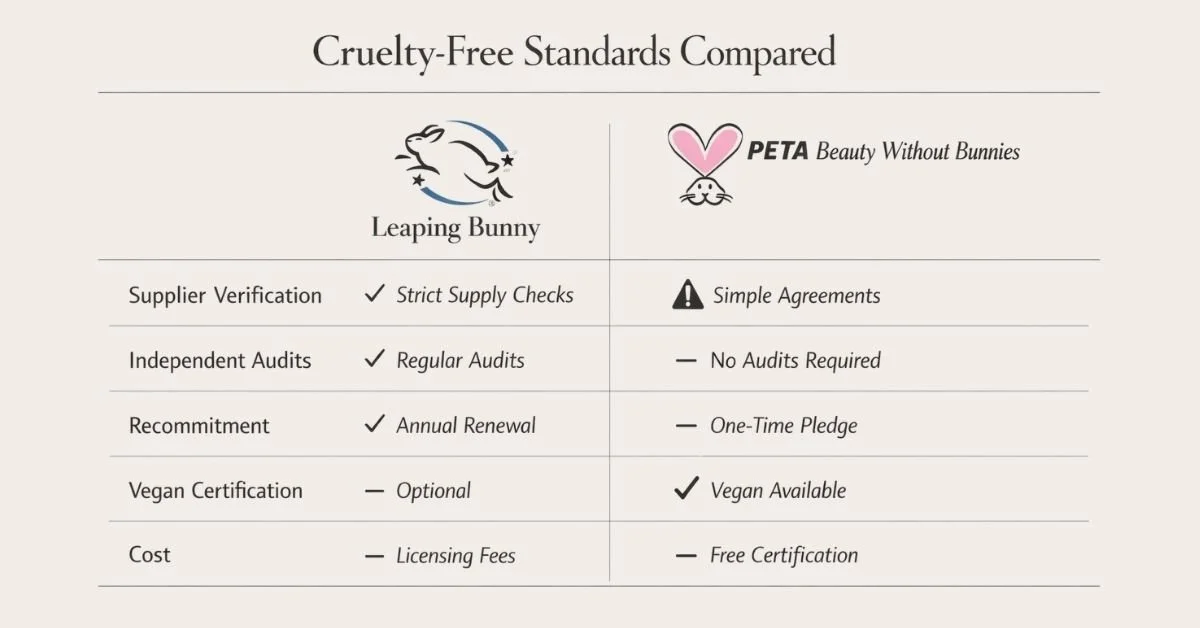
How to Check Cruelty‑Free Status
Use these trusted resources:
Leaping Bunny
PETA’s Beauty Without Bunnies
Cruelty-Free International
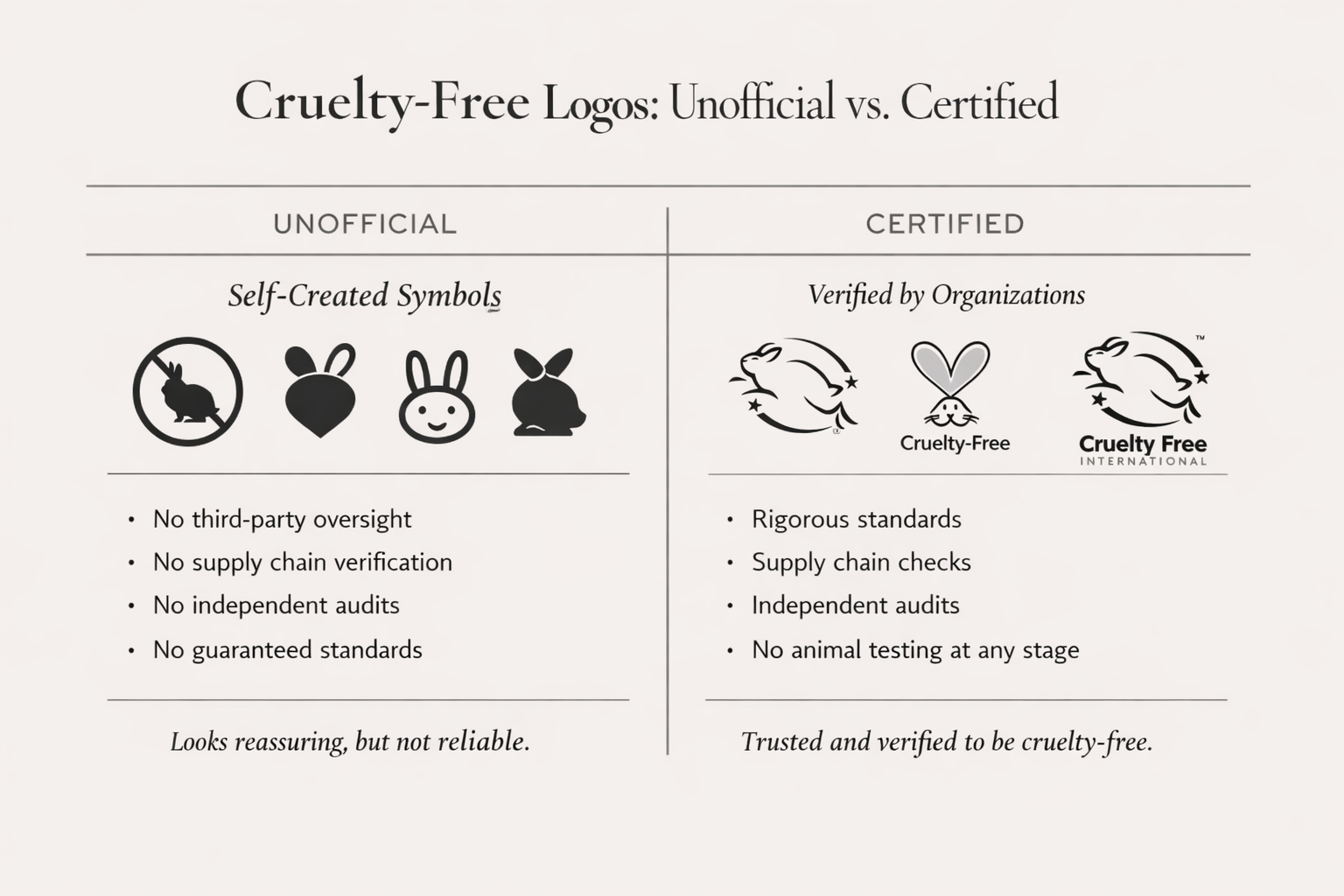
Look for:
Clear certification
Transparent testing policies
Statements that do not include “except where required by law”
How to Email Brands Asking for Change
A simple, respectful message can make a difference. Companies track consumer feedback — especially when it’s calm, specific, and actionable.
Here’s a structure you can use:
Express appreciation for the brand
Ask for clarity on their animal‑testing policy
Request a timeline for transitioning to cruelty‑free practices
Mention that ethical choices matter to you as a customer
This is advocacy without confrontation — a quiet but powerful form of influence.
Download the Email Templates
If you’d like ready‑to‑use examples you can copy, personalize, and send to your favorite brands, download the full PDF below. It includes:
Three polished email templates
A structure guide for writing respectful, effective messages
A calm, advocacy‑centered approach that encourages transparency without confrontation
Why Consumer Pressure Works
Consumer behavior has already shifted entire industries:
The rise of cruelty‑free beauty
The growth of refillable cleaning systems
The demand for low‑tox, sustainable home products
The push for eco‑friendly home essentials
When enough people choose differently, companies follow.
Not because of guilt — but because the market changes.
Budget‑Friendly Cruelty‑Free Swaps
You don’t need to overhaul your home. You don’t need to buy specialty products. You don’t need to spend more.
Here are simple, sustainable swaps:
Bar soap instead of bottled body wash
Vinegar + baking soda for basic cleaning
Castile soap as a multi‑purpose cleaner
Reusable cloths instead of disposable wipes
Refill stations when available
These choices support animals, reduce waste, and make a sustainable home feel realistic — not aspirational.
A Sustainable Home Is an Ethical Home
When we talk about cruelty‑free living, we’re really talking about alignment:
How we care for our homes
How we care for our planet
How we care for the animals who share it with us
A sustainable home is not built overnight. It’s built through small, thoughtful decisions that accumulate over time.
And those decisions (your decisions) help reduce the demand for animal testing.
How You Can Help Beagles Directly
If you want to take your advocacy further:
Support beagle rescue organizations
Share cruelty‑free resources with friends
Choose ethical brands when possible
Email companies asking for transparency
Advocate for modern, non‑animal testing methods
Every action counts. Every choice matters. Every voice helps.
This article is not about blame. It’s about clarity. It’s about understanding why beagles are used in laboratories, and how compassionate, informed choices can help shift the system.
A sustainable home. Low‑tox cleaning. Eco‑friendly home essentials. Sustainable living that feels grounded, not performative.
This is how change happens: Quietly. Consistently. Together.
Transparency Note: At The Green Muse, we believe ethical advocacy requires clarity and accountability. The following disclaimers explain how we approach rescue advocacy, educational content, and external resource links.
-
At The Green Muse, we use our platform to support animal welfare through education, awareness, and ethical advocacy. When we highlight rescues, shelters, or adoptable animals, we do so as independent advocates and volunteers. We are not financially compensated, contracted, or acting as official representatives of any organization unless explicitly stated.
Our role is to help amplify life-saving work, share accurate information when available, and encourage informed, compassionate action within the animal rescue community.
-
Links to external websites — including rescue pages, nonprofit organizations, donation platforms, and wishlists — are provided for informational and awareness purposes only. The Green Muse does not own, operate, or control these third-party sites and is not responsible for their content, availability, policies, or outcomes.
We encourage readers to conduct their own due diligence, ask questions directly, and support organizations in ways that feel aligned and responsible to them.
-
All content published on The Green Muse is intended for educational and awareness purposes. Articles discussing shelter systems, rescue terminology, animal welfare practices, or advocacy topics are not a substitute for professional advice, veterinary care, legal counsel, or direct communication with shelters or rescue organizations.
Situations involving animal health, behavior, intake decisions, or adoption requirements can vary widely. When considering adoption, fostering, transport, or medical care, always consult qualified professionals and the organizations directly involved.
-
We are committed to maintaining an ethical, accurate, and respectful Rescue Directory and educational resource library. While we research and verify information to the best of our ability, details can change quickly within shelter and rescue systems.
If you are affiliated with an organization listed — or notice outdated or incorrect information — we welcome your input. Community collaboration helps ensure animals, advocates, and organizations are represented with care, clarity, and integrity.
📩 Contact: hello@thegreenmuseblog.com
