Puppy Mills in 2026: How the System Really Works (and How to Avoid Supporting It)
Puppy mills remain one of the most misunderstood problems in the pet industry. In 2026, many people still purchase dogs believing they are supporting small, responsible breeders—when in reality they are unknowingly participating in a hidden supply chain built on mass breeding and minimal welfare standards. Understanding how the system works is the first step toward changing it.
For many people, bringing home a puppy feels like the start of something joyful. A new companion. A new routine. A new member of the family.
But behind the scenes of the modern pet industry, there is a system that few consumers fully understand.
Puppy mills still exist in 2026, not because people support cruelty, but because the industry has become increasingly opaque. What used to be associated with roadside sellers and poorly maintained kennels has evolved into something much harder to identify.
Today, puppies are marketed through polished websites, social media ads, and online marketplaces that look professional and trustworthy. Sellers describe themselves as “family breeders” or “licensed programs,” often presenting carefully curated photos that suggest loving environments and ethical practices.
Yet in many cases, the puppies being sold come from high-volume breeding operations designed to produce animals as quickly and efficiently as possible.
The issue is not simply cruelty.
The deeper problem is lack of transparency in the pet supply chain.
Many buyers genuinely believe they are making a responsible choice. But without clear information about where puppies originate, it becomes easy to unintentionally support a system that treats dogs as products rather than living beings.
Understanding how puppy mills operate today is one of the most important steps consumers can take to make more ethical decisions.
What Is a Puppy Mill?
A puppy mill is a large-scale commercial dog breeding operation focused on producing as many puppies as possible for sale.
In these facilities, breeding dogs are typically kept in confined conditions and bred repeatedly throughout their lives. The goal is production and profit, not long-term welfare.
While conditions vary, common characteristics include:
• High-volume breeding
• Minimal veterinary care
• Limited socialization for puppies
• Breeding dogs kept primarily for reproduction
• Little oversight after puppies are sold
Dogs in these systems are often treated as inventory rather than companions.
Female dogs may produce litter after litter with minimal recovery time between pregnancies. Puppies are frequently separated from their mothers early in order to move them quickly into the sales pipeline.
Because puppy mills prioritize volume, proper health testing, genetic screening, and early behavioral development are rarely priorities.
This is why many puppy mill dogs later develop health or behavioral issues that require significant care.
The reality is that the commercial breeding industry is built around efficiency, not well-being.
How Puppy Mills Still Operate Today
The image many people still associate with puppy mills (rows of cages in rural areas) does exist. But the system that distributes those puppies has evolved significantly.
Modern puppy mills rely on several layers of intermediaries that separate the breeder from the buyer.
This distance makes it difficult for consumers to understand where their puppy actually comes from.
Online Puppy Marketplaces
Large online platforms now advertise thousands of puppies at any given time.
Listings often feature polished photos, appealing breed descriptions, and language designed to build trust with buyers.
However, these marketplaces frequently act as brokers connecting buyers with high-volume breeders across the country. The puppy may be shipped from another state with little opportunity for the buyer to see the breeding conditions.
Social Media Sellers
Social media has become another major distribution channel.
Posts advertising puppies often appear in local groups or through targeted ads. Sellers may describe themselves as hobby breeders or families with a single litter.
In some cases, these claims are accurate. But in others, the seller is acting as a middleman for a larger breeding operation. Without direct transparency, buyers have little way to verify the source.
Misleading “Family Breeder” Websites
Many commercial breeders now operate websites designed to appear small-scale and ethical.
These sites often include photos of dogs in grassy fields or inside homes, along with language about love, care, and responsible breeding. But these images may not represent the actual breeding facility.
In reality, the breeder may manage dozens (or even hundreds) of dogs in kennel-style environments.
Puppy Brokers Supplying Pet Stores
Pet stores that sell puppies rarely breed the animals themselves. Instead, they often purchase puppies from brokers who obtain animals from multiple commercial breeders.
The puppy seen in a store window may have traveled through several intermediaries before arriving there. By the time the puppy reaches the consumer, the origin of the breeding operation is often impossible to trace.
Shipping Puppies Across States
Transporting puppies long distances has become common. Many puppies are flown or driven across the country shortly after weaning.
While shipping animals is not inherently unethical, it can further obscure the conditions in which the puppy was born. Consumers may receive a puppy without ever seeing the breeder’s facility or meeting the puppy’s parents.
Red Flags When Buying a Puppy
Because the commercial breeding industry has become increasingly sophisticated, buyers must rely on careful observation to identify warning signs.
If someone is considering purchasing a puppy, the following red flags may indicate a high-volume breeding operation.
Common warning signs include:
• Seller refuses an in-person visit
• Multiple breeds available at the same time
• Puppies always “available immediately”
• Limited or missing health documentation
• Seller suggests meeting in a parking lot or public location
• Puppies shipped without screening potential buyers
• Little information about the puppy’s parents
• Seller avoids detailed questions about breeding practices
Ethical breeders typically welcome transparency.
They allow potential owners to meet the dogs, explain their breeding program openly, and prioritize placing puppies in appropriate homes.
When sellers avoid questions or limit visibility, it may indicate something they do not want buyers to see.
Where Puppy Mill Puppies End Up
Many people assume puppy mill puppies only end up in pet stores. In reality, the distribution network is much broader.
Puppies produced in large breeding operations can appear in several places.
Pet Stores
Some pet stores still sell commercially bred puppies supplied through brokers.
These puppies are often marketed as healthy and well cared for, even though the store itself may not know the exact conditions of the breeding facility.
Online Resale Platforms
Many puppies are sold directly through online listings.
Buyers may believe they are purchasing from a small breeder when the seller is actually connected to a larger operation.
Backyard Breeder Networks
Some puppies from commercial breeding programs are resold to smaller backyard breeders. These individuals may breed the dogs again, continuing the cycle of high-volume production.
Shelters and Rescues
Perhaps the most overlooked consequence of puppy mills is their indirect impact on animal shelters.
Dogs purchased from large-scale breeders sometimes develop health or behavioral challenges that new owners were not prepared for. When families cannot manage the medical costs or training needs, the dog may eventually be surrendered.
This contributes to the shelter population that animal welfare advocates work hard to support.
Understanding this connection helps explain why responsible adoption is often emphasized by rescue organizations.
How to Avoid Supporting Puppy Mills
The goal of educating consumers about puppy mills is not to create guilt. Instead, it is about giving people the information they need to make thoughtful choices.
There are several ways to bring a dog into your life without contributing to high-volume breeding systems.
Adopt From Shelters
Animal shelters across the country care for thousands of dogs waiting for homes. Adoption provides a second chance for animals who may otherwise remain in overcrowded facilities.
Many shelters also offer veterinary care, behavioral assessments, and adoption counseling.
Consider Breed-Specific Rescues
People who prefer a particular breed may still find adoption options. Breed-specific rescue organizations focus on rehoming dogs from shelters, owner surrenders, or former breeding situations.
These groups often have extensive knowledge about the breed and can help match dogs with appropriate homes.
Work With Ethical Breeders (When Necessary)
Responsible breeders do exist, although they are less common than many people assume.
Ethical breeders typically:
• Focus on one or two breeds
• Perform genetic health testing
• Limit the number of litters produced
• Allow buyers to meet the breeding dogs
• Maintain lifelong responsibility for their puppies
Most importantly, they prioritize the well-being of the dogs over production volume.
When buyers take the time to research breeders carefully, they help encourage more responsible practices within the industry.
Readers looking for adoption resources can also explore The Green Muse Rescue Directory, which highlights shelters and rescue organizations working to place animals into permanent homes.
What You Can Do
Changing the pet industry does not require dramatic action. Small, informed choices can gradually reshape demand. Here are several ways individuals can contribute to better outcomes for animals.
-
Many people simply do not know how puppy mills operate.
Sharing educational resources with friends or family can help others make informed decisions before purchasing a dog.
-
Local animal welfare authorities often rely on community reports to identify potential large-scale breeding operations operating without proper standards.
If something seems concerning, reporting it can help initiate investigation.
-
Rescue organizations play a critical role in helping dogs from difficult circumstances.
Supporting rescues—through volunteering, donations, or simply sharing adoptable animals—helps increase their reach.
-
Adoption remains one of the most direct ways to reduce demand for mass-produced puppies.
Every adopted dog represents one less animal needing shelter space.
Looking to Adopt Responsibly?
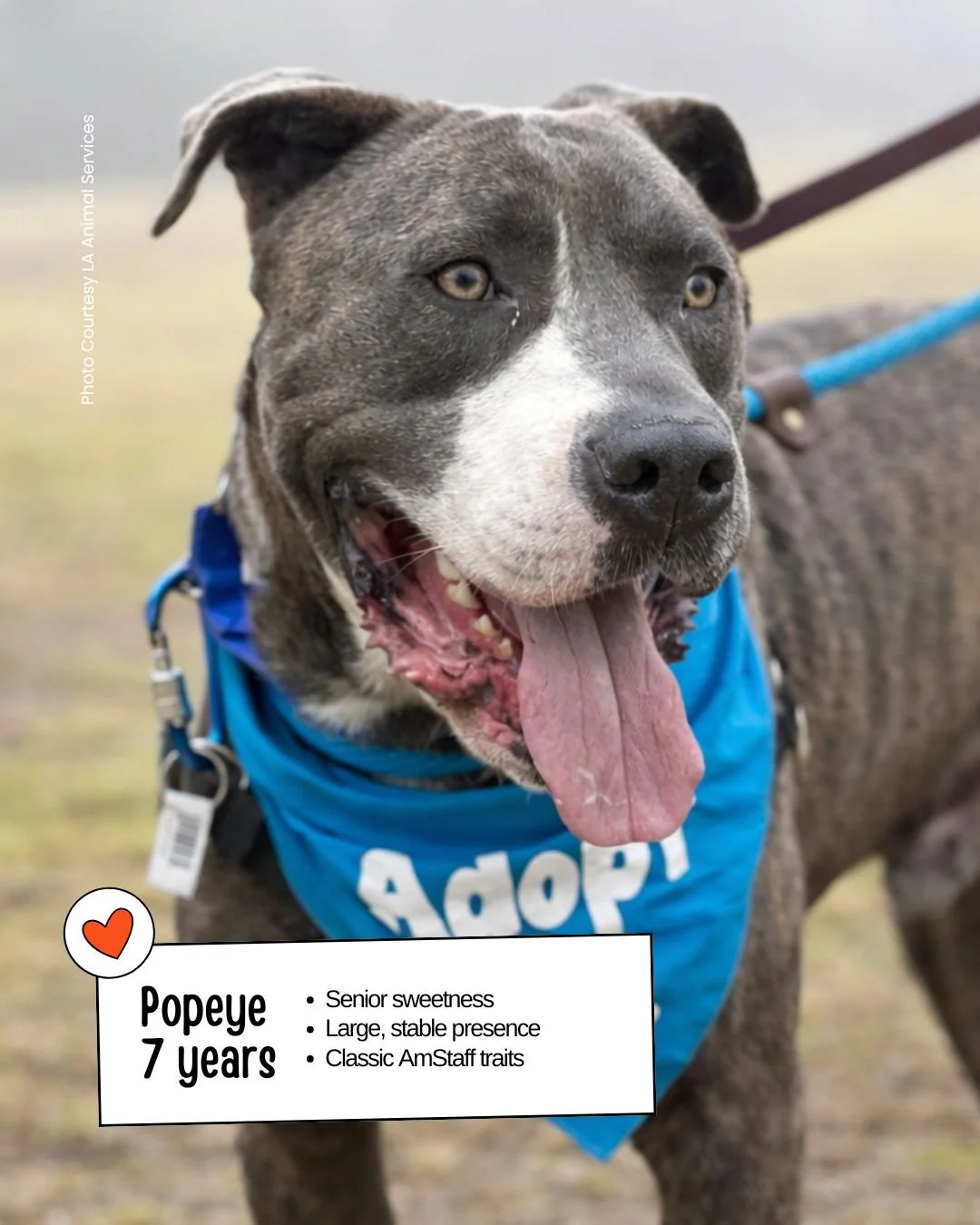
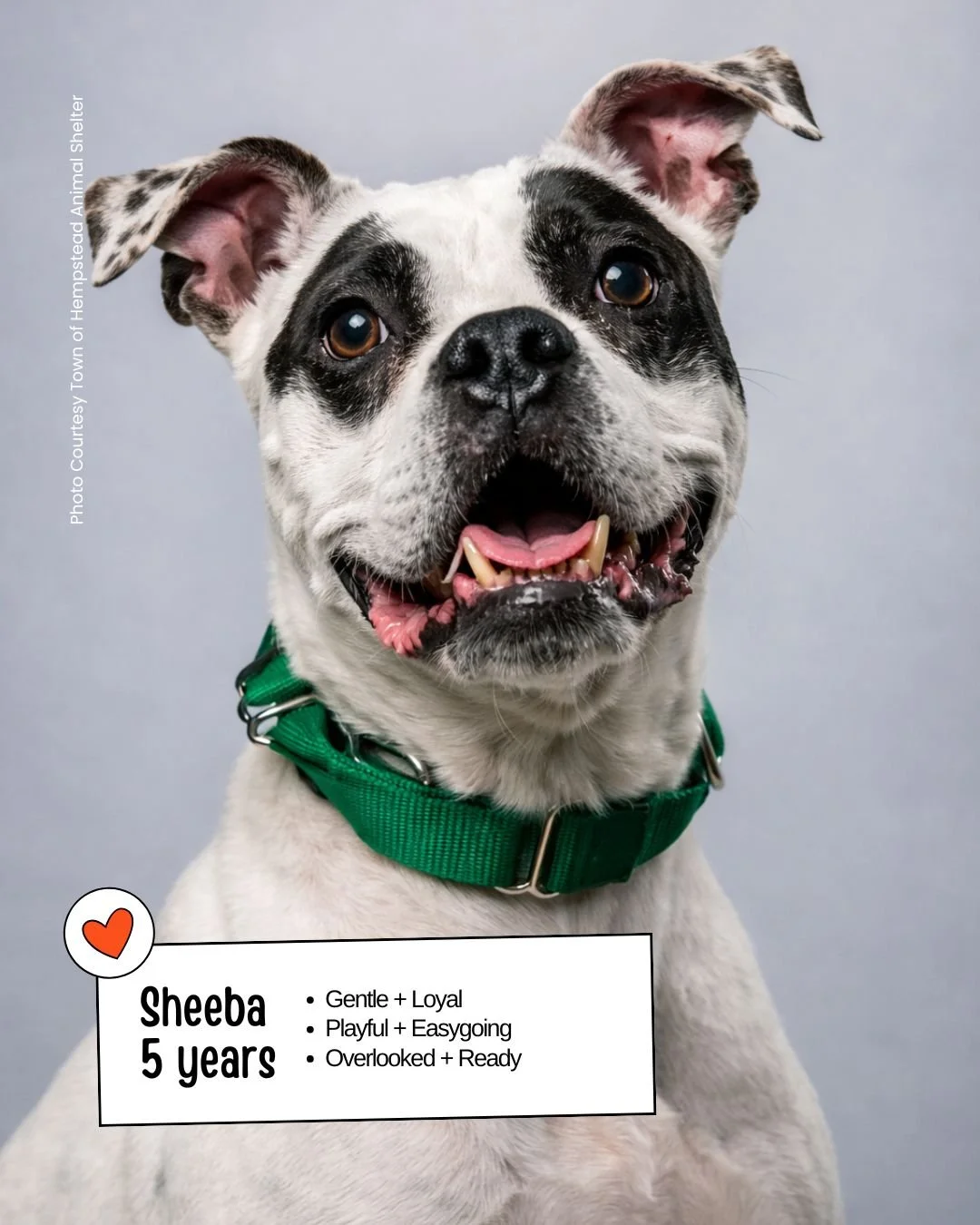
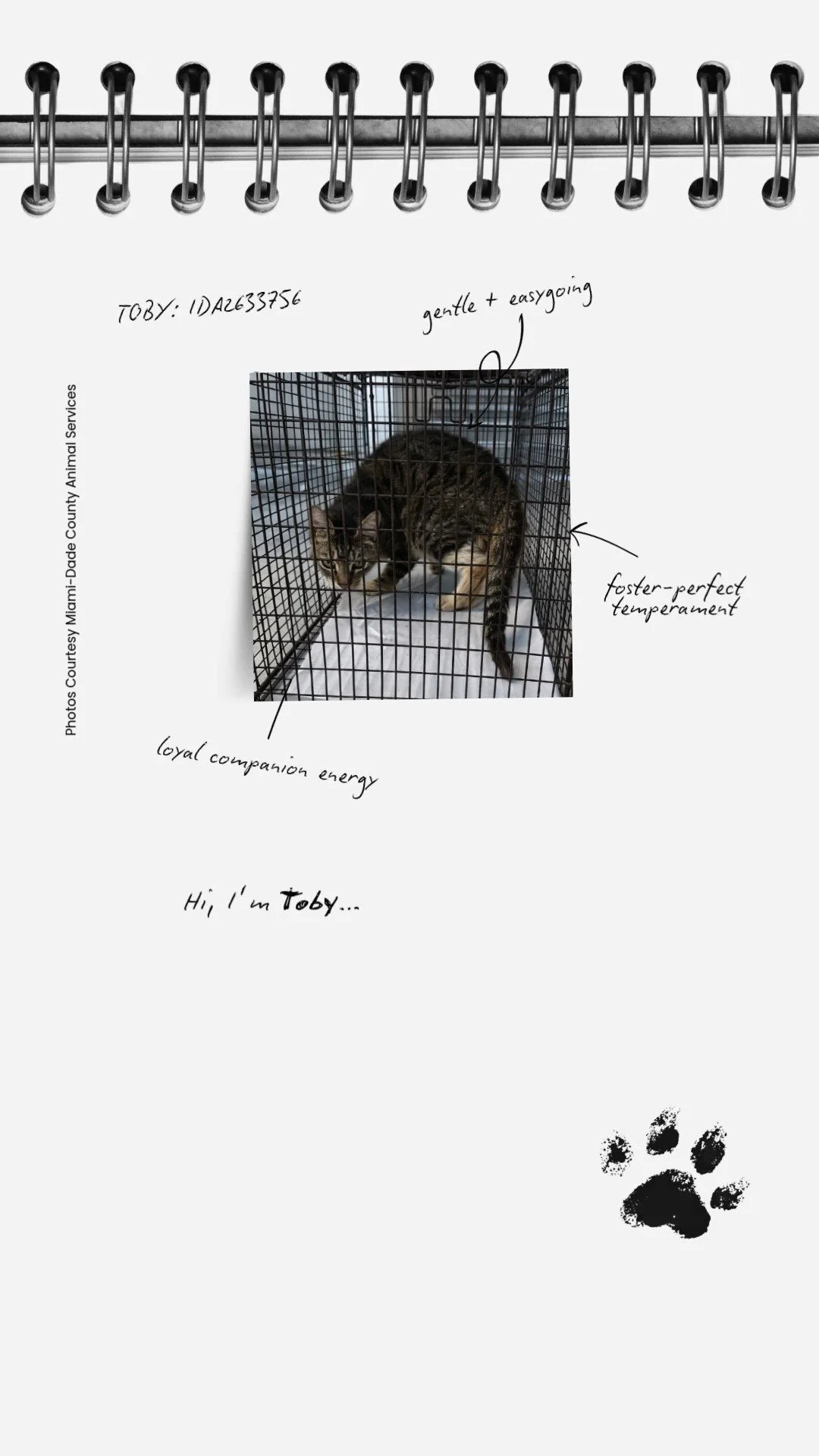
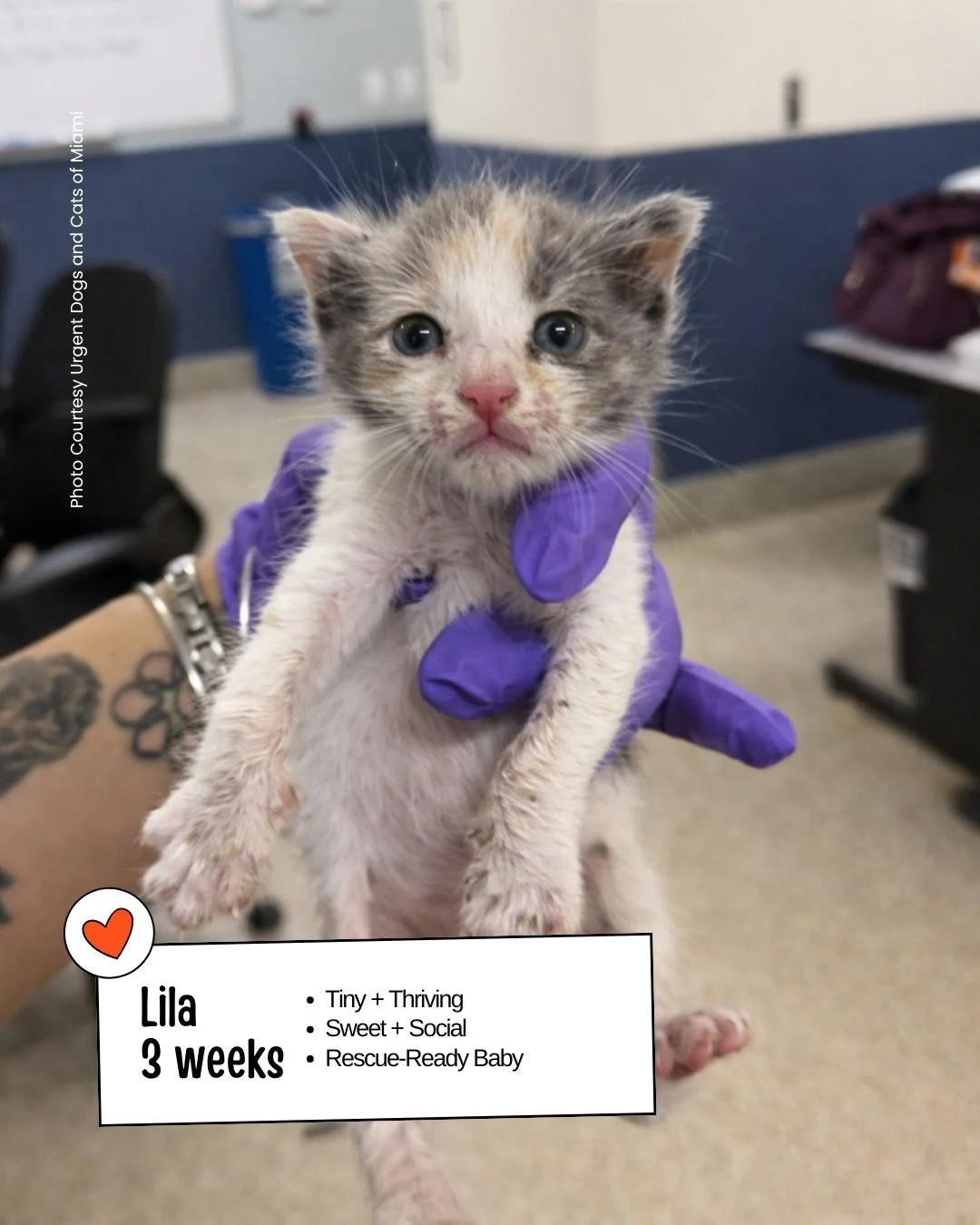
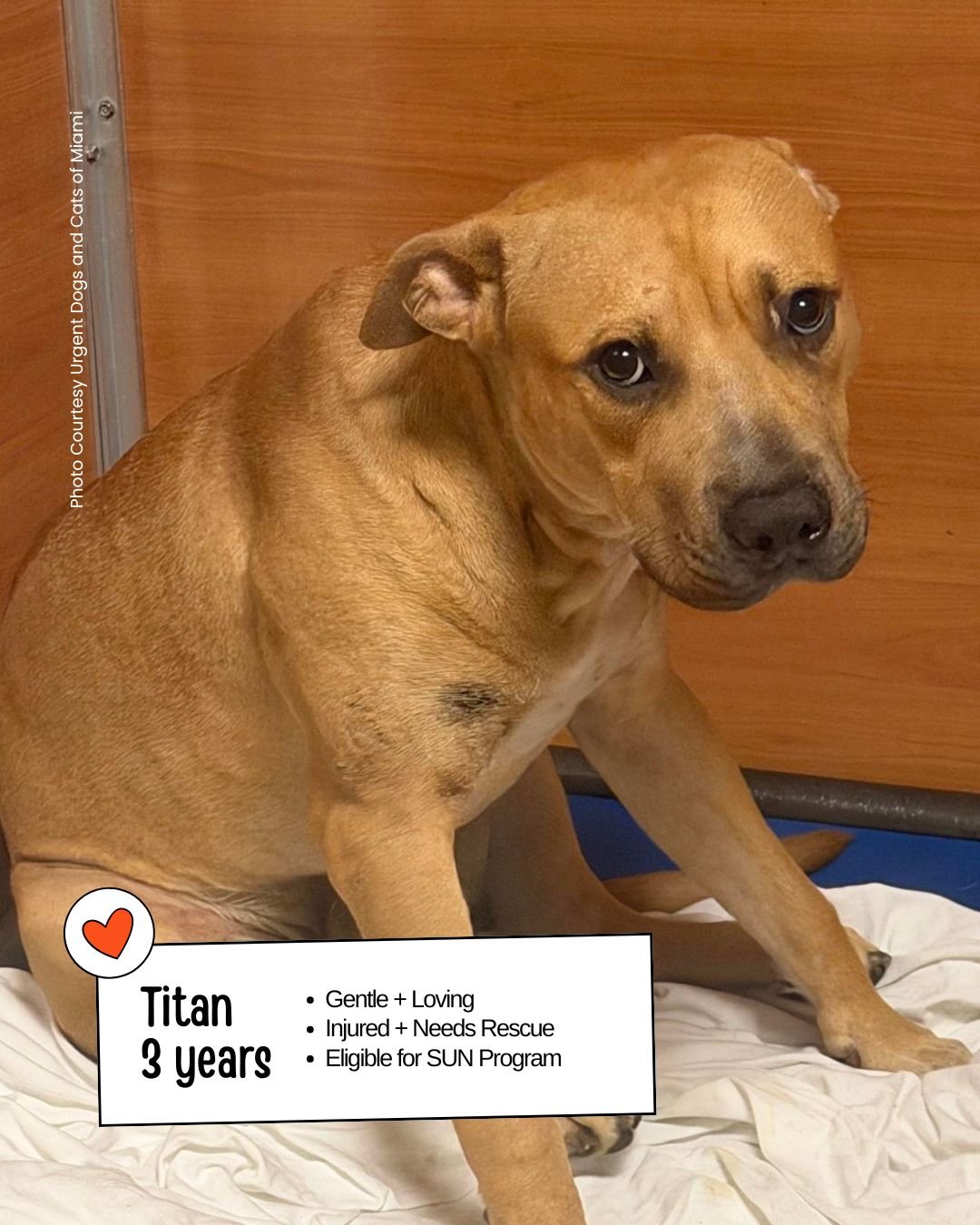
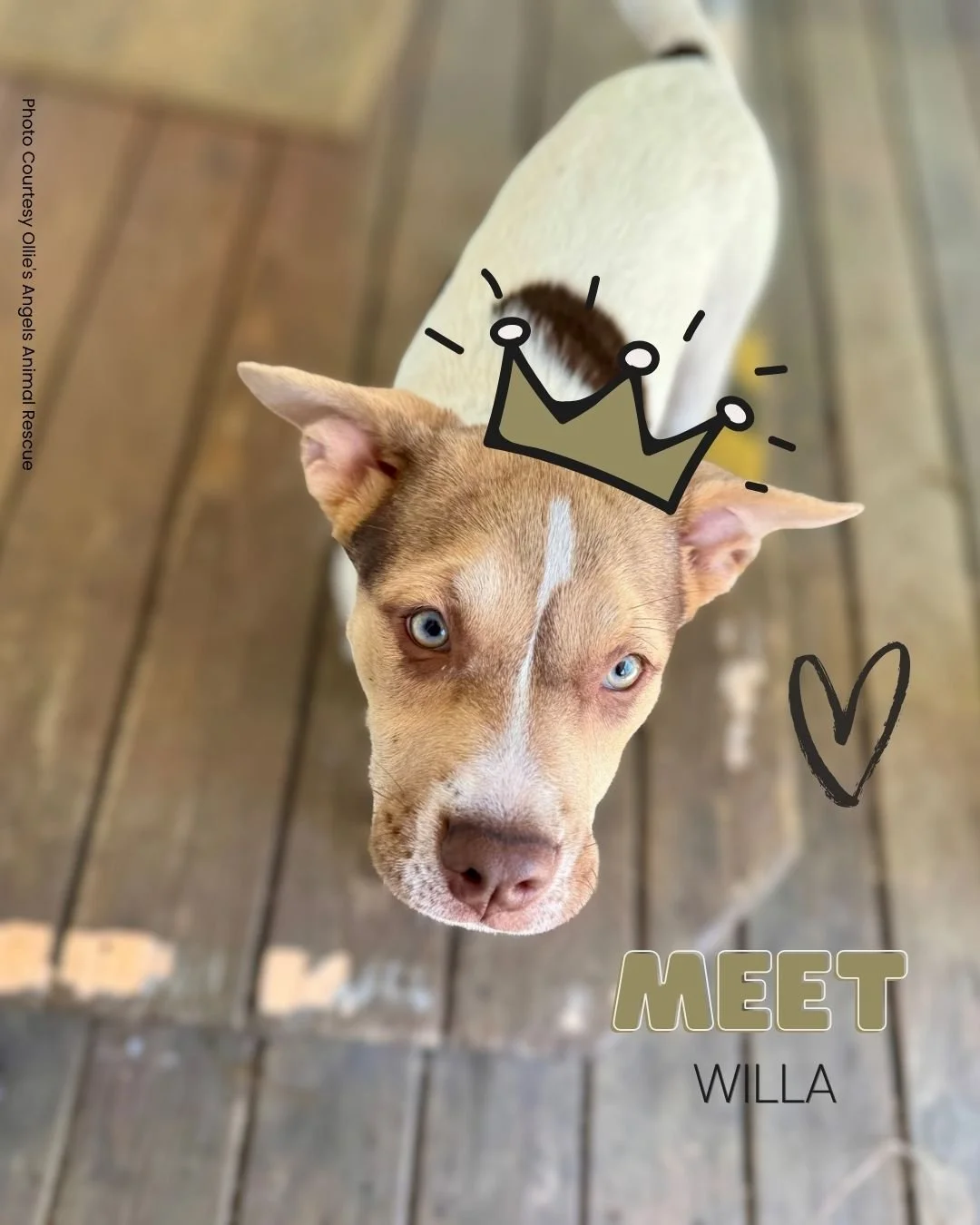
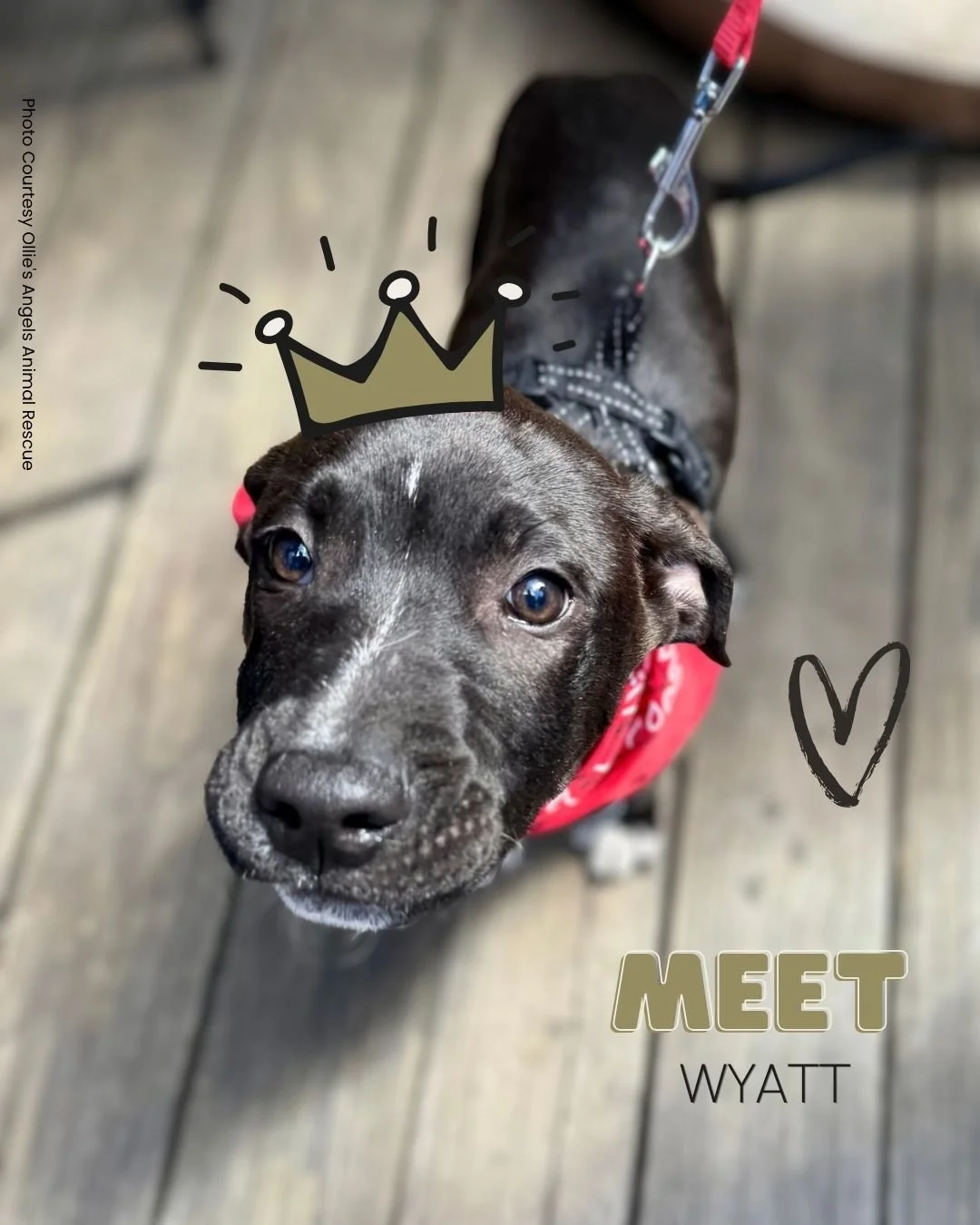
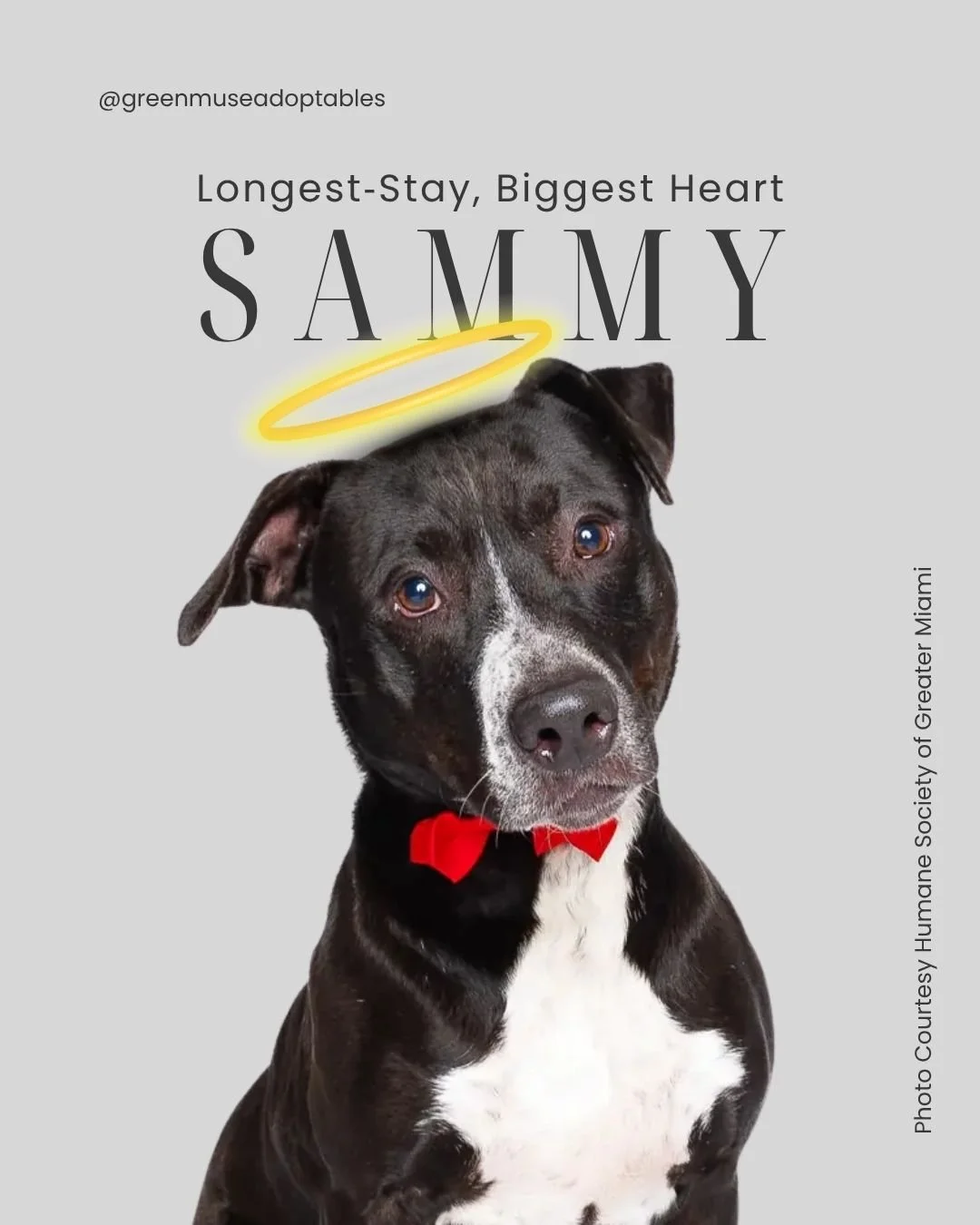
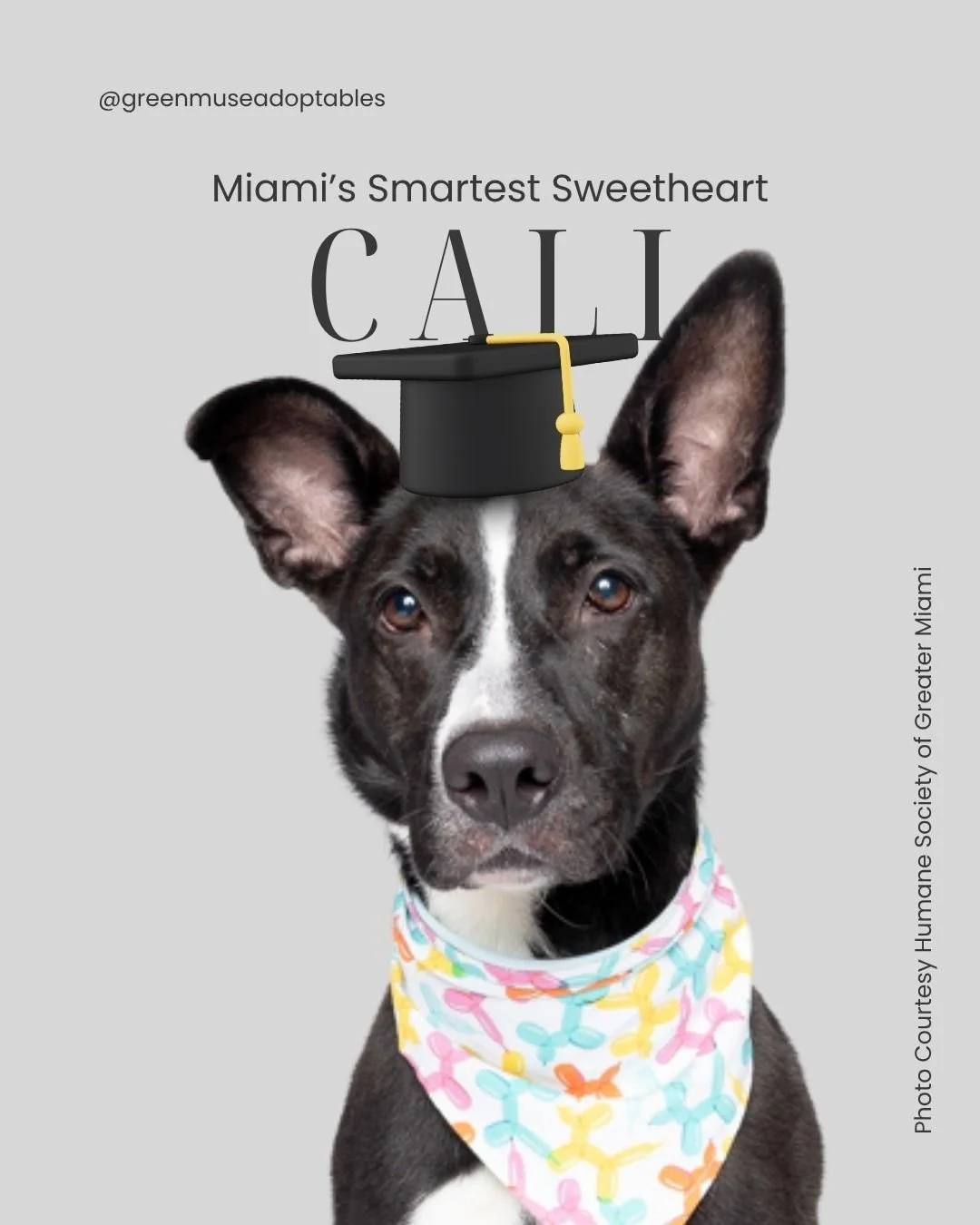
Another simple way to help is by sharing adoptable animals online. Even increasing visibility for one shelter dog can help them reach the right home. Our Green Muse Adoptables Instagram page highlights verified listings from shelters and rescue organizations.
Animals shared are publicly listed by shelters or rescues. We are not affiliated with these organizations. All adoption inquiries must go directly to the shelter or rescue listed.
A Wider Conversation About Ethical Choices
The conversation about puppy mills often intersects with broader discussions about responsible consumption.
Just as people are increasingly interested in sustainable living, many are also rethinking the ethical impact of their everyday decisions.
This can include choices about food, clothing, and home products—but it also extends to how animals are brought into our lives.
A sustainable home is not only about materials or design. It is also about the values that shape how we live.
People who care about eco-friendly home essentials or low-tox cleaning products often share a similar desire to make choices that align with compassion and responsibility.
Choosing adoption (or carefully researching breeders) is simply another expression of those values.
It reflects a commitment to transparency, ethics, and long-term care.
Puppy mills persist not because people want to support cruelty, but because the system that produces and distributes puppies is difficult to see.
Modern marketing, online sales platforms, and complex supply chains make it easy for well-intentioned buyers to unknowingly participate in a hidden industry. Education helps change that.
When consumers ask questions, prioritize transparency, and consider adoption options, they help shift demand toward more ethical practices. Small choices accumulate.
And over time, those choices can reshape how animals are bred, sold, and cared for.
Transparency Note
At The Green Muse, we believe ethical advocacy requires clarity and accountability. The following disclaimers explain how we approach rescue advocacy, educational content, and external resource links.
-
At The Green Muse, we use our platform to support animal welfare through education, awareness, and ethical advocacy. When we highlight rescues, shelters, or adoptable animals, we do so as independent advocates and volunteers. We are not financially compensated, contracted, or acting as official representatives of any organization unless explicitly stated.
Our role is to help amplify life-saving work, share accurate information when available, and encourage informed, compassionate action within the animal rescue community.
-
Links to external websites — including rescue pages, nonprofit organizations, donation platforms, and wishlists — are provided for informational and awareness purposes only. The Green Muse does not own, operate, or control these third-party sites and is not responsible for their content, availability, policies, or outcomes.
We encourage readers to conduct their own due diligence, ask questions directly, and support organizations in ways that feel aligned and responsible to them.
-
All content published on The Green Muse is intended for educational and awareness purposes. Articles discussing shelter systems, rescue terminology, animal welfare practices, or advocacy topics are not a substitute for professional advice, veterinary care, legal counsel, or direct communication with shelters or rescue organizations.
Situations involving animal health, behavior, intake decisions, or adoption requirements can vary widely. When considering adoption, fostering, transport, or medical care, always consult qualified professionals and the organizations directly involved.
-
We are committed to maintaining an ethical, accurate, and respectful Rescue Directory and educational resource library. While we research and verify information to the best of our ability, details can change quickly within shelter and rescue systems.
If you are affiliated with an organization listed — or notice outdated or incorrect information — we welcome your input. Community collaboration helps ensure animals, advocates, and organizations are represented with care, clarity, and integrity.
📩 Contact: hello@thegreenmuseblog.com
