This holiday, don’t fuel puppy mills. Learn ethical ways to find a furry friend, spot scams, and give back to rescues instead.
Each year, as December approaches, search engines and social media feeds overflow with irresistible images of “Christmas puppies.” It’s easy to get swept up in the magic of surprise gift videos, tiny paws padding across wrapping paper, children squealing with joy. But behind many of these heartwarming scenes lies a devastating truth: countless “holiday puppies” come from puppy mills, not loving homes.
Puppy mills are high-volume breeding operations that prioritize profit over animal welfare. During the holiday season, these facilities ramp up production to meet soaring demand, often at the expense of the dogs’ health and well-being. Puppies are bred, sold, and shipped like products, many too young to be separated from their mothers. By the time they reach pet stores or online listings, they’ve endured neglect, overcrowding, and lack of medical care.
What most families don’t realize is that the adorable puppy in the festive photo may have been born in a cage, never feeling grass under its paws or receiving basic veterinary attention. Beneath the bows and twinkling lights lies an industry built on suffering. Puppies from mills often arrive sick, under-socialized, or genetically compromised, leading to expensive vet bills, emotional stress, and, tragically, sometimes loss.
The holiday season is the peak profit window for puppy mills, but it’s also the perfect time for conscious consumers to make meaningful change. Every informed decision—whether it’s choosing to adopt, foster, or educate others—helps dismantle the system that allows these mills to thrive.
By shifting our perspective from “holiday surprise” to “lifelong commitment,” we turn compassion into action. Instead of contributing to a cycle of cruelty, families can make choices that align with sustainable living and ethical responsibility, values that extend beyond eco-friendly fashion or waste reduction. The holidays, after all, are about giving love, not perpetuating suffering.
The most powerful gift you can give this season isn’t wrapped in a bow—it’s a second chance for an animal in need.
Red Flags to Watch for in Holiday Puppy Ads
The holidays are when puppy mills thrive, and when unsuspecting families are most vulnerable. Between the glossy “Christmas morning” photos and irresistible captions promising “the perfect holiday puppy,” it’s easy to get caught up in emotion. But behind many of those ads lies a system built on cruelty and deception.
To protect both animals and your heart, it’s important to learn how to spot the warning signs of puppy mills disguised as legitimate breeders or sellers. These red flags will help you separate compassion from commerce this holiday season.
🚩 “Ready Now — Just in Time for Christmas!”
If a seller promises a puppy available right before the holidays, proceed with caution. Ethical breeders carefully plan litters around the health and well-being of their dogs, not the shopping calendar. Puppy mills, on the other hand, time births to meet seasonal demand, rushing litters to market before the puppies are emotionally or physically ready to leave their mothers. This “holiday urgency” is one of the clearest indicators that profit comes first.
Ask yourself: Would a responsible breeder prioritize a sale date over a puppy’s development?
🚩 Discounted or “Buy-One-Get-One” Deals on Designer Breeds
No reputable breeder offers bulk discounts or clearance pricing on living beings. If you see language like “holiday special,” “50% off Frenchies,” or “rare color now only $999,” it’s a major red flag. Puppy mills often breed trendy or “designer” mixes in large quantities to exploit demand, with no regard for genetic health or ethical standards.
Tip: High volume and constant discounts are signs of a commercial operation, not a caring, responsible breeder.
🚩 No Option to Meet the Parents or Visit the Facility
Transparency is everything. A trustworthy breeder or rescue will welcome you to visit, meet the mother dog, and see the living environment firsthand. Puppy mills and irresponsible backyard breeders, however, rely on secrecy. They’ll offer excuses like, “We don’t allow visitors for safety reasons,” or “We’ll meet you in a parking lot.”
These evasions are deliberate; they hide cramped cages, unsanitary conditions, and overbred dogs from view.
Pro tip: Always insist on meeting the puppy in person. If the seller refuses or discourages visits, walk away.
🚩 Promises of Immediate Shipping or “No Questions Asked” Sales
Ethical breeders and rescues don’t ship puppies to strangers or hand them over without screening. A legitimate adoption or purchase involves interviews, contracts, and questions about your lifestyle to ensure the animal’s safety.
When someone offers to “ship anywhere overnight” or avoids asking about your experience with dogs, it signals a red flag. Puppy mills and scammers push for fast, no-fuss sales to move inventory quickly before buyers can uncover the truth.
Remember: A real breeder wants to know who you are, not just where to send the payment.
The Bottom Line: If It Seems Too Easy, It’s Probably Cruel
Finding a companion animal should never feel like ordering a product online. Responsible adoption takes time, transparency, and trust. If an ad feels too easy, too perfect, or too focused on urgency and pricing, it’s likely tied to a mill or broker.
During the holidays, compassion is the best gift you can give. Take your time, do your research, and choose adoption or verified ethical breeders who value dogs as family, not merchandise.
Ethical Alternatives That Spread True Joy
The holidays should be about compassion, not consumerism, and that includes the way we welcome animals into our lives. If you want to bring love home without supporting puppy mills, many ethical, heart-centered alternatives align with both your values and the spirit of the season. These choices not only save lives but also support a more sustainable and humane future for all animals.
1. Adopt from Shelters & Rescues
Every year, millions of dogs and cats sit in shelters waiting for a second chance, many of them perfectly healthy, loving companions who were simply overlooked or surrendered. By choosing to adopt instead of shop, you’re saving a life and making space for another animal in need.
Many rescues and shelters offer holiday foster-to-adopt programs, which allow families to open their homes temporarily to a pet before deciding on permanent adoption. This approach gives both the family and the animal time to adjust and bond, ensuring the match is right for everyone involved.
Pro Tip: Check your local humane society or rescue’s website in early December; many run seasonal campaigns like “Home for the Holidays” or “12 Dogs of Christmas,” offering reduced adoption fees, gift bundles, or starter kits to encourage responsible adoption.
By adopting, you’re not just gaining a companion; you’re joining a movement rooted in kindness, sustainability, and community impact.
2. Gift a Promise, Not a Puppy
A puppy is not a present; it’s a lifelong commitment. Instead of surprising loved ones with a live animal (which often leads to stress, mismatched expectations, or even surrender), gift the promise of adoption instead.
You can do this creatively and meaningfully:
Create an “Adoption Pledge Card.” Wrap it beautifully and present it as a promise to visit a local shelter together after the holidays.
Donate to a rescue in your loved one’s name, and many organizations will send a digital certificate or holiday card acknowledging the gift.
Build a “Welcome Home Kit.” Fill a box with eco-friendly essentials like sustainable pet toys, organic treats, and cruelty-free grooming products.
This thoughtful approach allows your family to choose a pet intentionally, once the excitement of the holidays has settled and routines have returned to normal. It turns impulse buying into conscious compassion, a lesson worth sharing with children and adults alike.
Remember: True joy doesn’t come from instant gratification. It comes from preparation, patience, and love that lasts beyond the holiday season.
3. Support Rescue-Friendly Brands
If you want to give meaningful gifts that help animals without adopting, support brands that give back to shelters and rescues. Many small businesses, ethical marketplaces, and eco-friendly brands donate a portion of their profits to animal welfare organizations.
Look for companies that align with your values by prioritizing:
Sustainable materials (organic cotton, hemp, cork, bamboo)
Cruelty-free production (no animal testing or exploitation)
Transparent charitable partnerships (clearly listed rescues or nonprofits they support)
For example, ethical pet brands may donate toys or food to local animal shelters, while sustainable fashion brands often collaborate with animal charities during the holiday season. Shopping consciously means your money flows toward compassion, not cruelty.
Tip for Green Muse: When you buy from a brand that partners with rescues, or when you shop secondhand through platforms like eBay for Charity, you’re directly helping animals in need while minimizing your environmental footprint. It’s the perfect blend of eco-conscious living and ethical giving.
Why These Alternatives Matter
Every choice you make has ripple effects. By adopting, pledging, or shopping compassionately, you:
Reduce demand for mass-breeding and puppy mills.
Support local rescues that save lives daily.
Promote sustainable consumer habits during the most commercialized time of year.
Teach others that compassion is the most meaningful gift of all.
When kindness guides our choices, we create a season of joy that lasts long after the decorations come down.
Explore Our Ethical Gift Guide for Animal Lovers
Looking for more ways to give consciously this season? Discover our curated list of eco-friendly, cruelty-free, and rescue-supporting gifts that make tails wag and hearts happy. From sustainable pet essentials to thoughtful lifestyle finds that give back, every purchase helps promote kindness and compassion.
(Support small businesses. Protect animals. Celebrate the season with purpose.)
Sustainable Living Extends to Pets
At The Green Muse, sustainability goes far beyond what we wear or how we shop; it’s a mindset that touches every aspect of life, including how we care for and connect with animals. True sustainability means choosing compassion over convenience and awareness over impulse. Just as rejecting fast fashion helps protect workers and reduce environmental harm, rejecting puppy mills protects innocent lives and strengthens the communities that support them.
When we think of sustainable living, we often picture reusable bags, zero-waste swaps, and ethical brands. But sustainability is also deeply rooted in empathy. Every adoption, donation, or small act of advocacy creates a ripple effect that promotes balance between people, animals, and the planet.
By saying no to mill-bred puppies, you’re doing more than making an ethical purchase; you’re participating in a conscious movement that fosters long-term well-being for all living beings. Here’s how your choice makes a real impact:
1. Reduce Overbreeding and Shelter Overcrowding
Each time someone adopts instead of buying from a puppy mill or unverified breeder, it directly reduces demand for mass breeding. Over time, that shift means fewer litters born into neglect and fewer dogs abandoned when the novelty wears off. Adoption is one of the simplest yet most powerful ways to combat overpopulation, giving existing animals a second chance while easing the pressure on overwhelmed shelters.
2. Support Grassroots Rescues and Ethical Breeders
Small, community-based rescues and responsible breeders prioritize health, safety, and emotional care over profit. When you adopt, foster, or even share their work online, you’re strengthening ethical networks that operate with transparency and compassion. These are the changemakers at the heart of sustainable animal welfare, individuals and organizations who dedicate their lives to saving others.
3. Align Holiday Spending with Conscious Values
The holiday season can tempt us toward impulse purchases, but sustainability is about slowing down and asking, “Does this choice reflect my values?” When you choose adoption or donate to an animal rescue instead of buying a puppy online, you turn your spending power into a force for good. You support love over commerce, purpose over profit, and kindness over exploitation, all key principles of sustainable living.
4. Create a Culture of Compassion
Sustainability isn’t a solo act; it’s a collective effort. Every time you talk about adoption, share an educational post, or encourage someone to rethink where they get their pet, you’re contributing to cultural change. By helping others see the link between ethical consumerism and animal welfare, you’re building a more compassionate world where sustainability includes all species.
Sustainability doesn’t stop at the edge of your closet or your kitchen; it extends to the wag of a rescued tail. Every conscious choice, from refusing puppy mills to supporting local rescues, tells a story of empathy, integrity, and hope.
How You Can Help Right Now


The fight against puppy mills doesn’t belong only to lawmakers or animal welfare organizations; it starts with each of us. Every small decision adds up to a collective force for change. Whether you’re ready to adopt, volunteer, or simply spread awareness, here are meaningful actions you can take right now to protect animals and promote compassion this holiday season.
1. Adopt or Foster Instead of Buying
Adoption is one of the most powerful ways to stop the puppy mill cycle. By choosing to adopt from a reputable rescue or shelter, you’re not just saving one life—you’re making room for another animal in need. Every adoption reduces demand for mass-bred puppies and gives a second chance to a dog who’s been overlooked.
If you’re not ready for a lifelong commitment, consider fostering. Fosters provide temporary homes that help animals heal, socialize, and prepare for adoption. Shelters are often at capacity—especially during the holidays—and fostering even for a few weeks can make a tremendous impact.
Visit shelter directories like Petfinder or your local humane society to explore adoptable animals near you. Many organizations also offer “holiday foster” programs that let you give a shelter pet the gift of a home during the season of giving.
2. Donate or Volunteer at a Local Rescue
Even if you can’t adopt or foster, your time and resources can save lives. Shelters and rescues depend on community support to cover food, medical care, and shelter costs for animals in need.
Here are a few easy ways to help:
Make a monetary donation to cover vet care or adoption fees.
Donate supplies such as blankets, toys, and eco-friendly cleaning products.
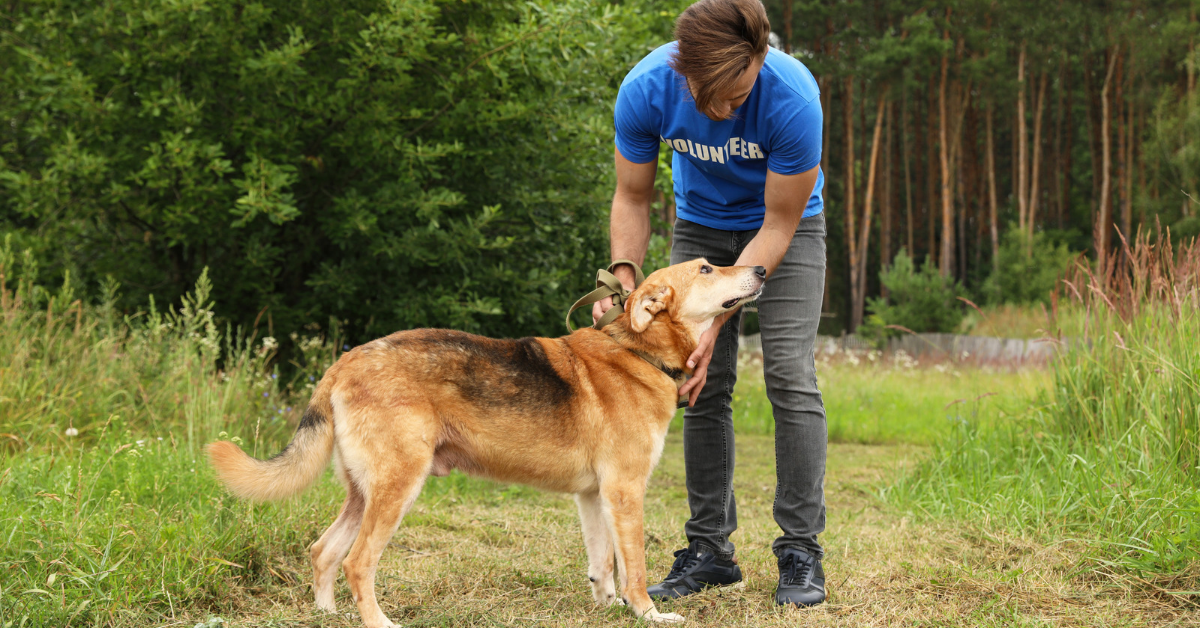
Volunteer your time for walking dogs, cleaning kennels, or helping at adoption events.
Offer your skills—graphic design, photography, social media, or writing—to help promote adoptable pets.
Many rescues post donation wish lists on Amazon or Chewy, making it simple to send essentials directly to them.
3. Educate Friends and Family
Awareness is one of the strongest tools against cruelty. Many people buy “Christmas puppies” without realizing they’re supporting puppy mills. Take a few minutes to share what you know—your voice can prevent others from making the same mistake.
Ways to spread awareness:
Share educational posts, infographics, or rescue success stories on social media.
Talk openly about the reality of puppy mills and why adoption is a more sustainable, compassionate choice.
Encourage kids to learn about responsible pet ownership through books or age-appropriate rescue documentaries.
When you see someone considering a holiday puppy, gently guide them toward adoption instead. A kind conversation can change a life—both theirs and the animal’s.
4. Advocate for Stronger Laws and Ethical Standards
Puppy mills thrive where laws are weak, and oversight is minimal. You can help create change by supporting stronger breeder regulations and animal welfare legislation in your state.
Here’s how to get involved:
Sign petitions from trusted organizations such as the ASPCA, Humane Society, or Best Friends Animal Society.
Contact your local representatives to express support for bills that improve breeder transparency, limit litter frequency, and ban retail pet sales from mills.
Join advocacy groups or community coalitions working to protect animals at the state and federal levels.
Even one email or signature makes a difference. Legislators take notice when voters show consistent concern for animal welfare.
Every Small Action Matters
Ending puppy mills won’t happen overnight, but change grows from awareness and compassion. Every adoption, donation, and shared story helps dismantle a system built on cruelty. This holiday season, let’s make kindness—not consumerism—the driving force behind our choices.
Together, we can ensure that every tail wag, every paw print, and every gift of companionship comes from a place of love, not exploitation.
-
At The Green Muse, we believe that conscious living begins with curiosity, compassion, and access to trustworthy information. Through our articles on sustainable living, ethical fashion, mindful consumption, and animal welfare, we aim to make thoughtful choices more accessible without encouraging perfection or unnecessary consumption.
Transparency, editorial independence, and respect for our readers guide how we research, create, and maintain our content.
Editorial Integrity & Research
Our articles combine independent research, credible publications, publicly available information, and thoughtful editorial analysis. We may use digital research tools, trend analysis, and AI-assisted platforms to help gather, organize, and review information.
All content is reviewed before publication, with sources cross-checked where practical. We recognize that research evolves, information can become outdated, and no source or technology is infallible.
Our articles are intended to encourage informed decisions and further exploration, not to present any single lifestyle, product, or approach as the only responsible choice.
Affiliate Links & Brand Partnerships
Some articles contain affiliate links. When readers make qualifying purchases through these links, The Green Muse may earn a commission at no additional cost to them.
Affiliate partnerships help support our independent editorial work. We aim to feature brands, products, and services that are relevant to our content and consistent with our values. Commercial relationships do not guarantee favorable coverage or determine our editorial conclusions.
We encourage readers to consider their individual needs, research products independently, and make purchases thoughtfully.
External Links, Product Availability & Archived Content
Our articles may reference sustainable brands, products, nonprofit organizations, educational resources, and other third-party websites.
As brands evolve, products are discontinued, organizations update their websites, and affiliate programs change, some external links may become outdated, redirect, or stop working altogether.
We review and update content as resources allow, but cannot guarantee the continued availability, accuracy, pricing, or functionality of third-party websites and links. The inclusion of an external resource does not constitute an endorsement of every product, policy, or practice associated with that website.
Older articles remain part of our educational archive and may reflect information available at the time of publication. Readers are encouraged to verify current details directly with the relevant organizations or providers.
Animal Welfare, Rescue Advocacy & Adoptable Pets
Animal welfare is an important part of The Green Muse. Through educational articles, rescue resources, and The Green Muse Adoptables, we help raise awareness of shelter animals, responsible adoption, fostering, and the work of animal welfare organizations.
Our advocacy is independent and primarily volunteer-based. We are not a shelter, rescue organization, veterinary provider, or adoption agency. Unless explicitly stated, featuring an organization or animal does not imply an official affiliation, employment relationship, or financial compensation.
When sharing adoptable animals, we rely on information provided by shelters, rescue organizations, and other authorized sources. We make reasonable efforts to check and update information, but adoption status, location, medical details, and eligibility can change without notice.
All adoption inquiries, applications, and placement decisions must be handled directly by the responsible shelter or rescue organization.
Rescue Resources, Donations & Third-Party Organizations
Links to animal shelters, rescue groups, nonprofit organizations, donation pages, wishlists, and community programs are shared to help readers discover ways to support animal welfare.
The Green Muse does not operate or control these third-party organizations or their websites. We cannot guarantee their current practices, policies, fundraising activities, availability, or outcomes.
Readers should verify donation information, adoption procedures, and organizational details directly before making financial commitments or participating in programs.
Educational Information & Professional Guidance
Content published on The Green Muse is provided for general educational and informational purposes.
Discussions involving sustainability, environmental practices, animal health, shelter operations, adoption requirements, and related subjects should not replace guidance from qualified professionals.
For veterinary, medical, legal, or other specialized matters, readers should consult appropriately qualified professionals and the organizations directly responsible for individual cases.
Images, Creative Assets & Copyright
Images and creative materials featured on The Green Muse may come from licensed image libraries, design platforms, participating brands, photographers, shelters, rescue organizations, and other credited sources.
These may include Pexels, Unsplash, Canva, Getty Images, and materials supplied by organizations featured in our content.
Images are used according to applicable licenses, permissions, or other lawful grounds. Unless otherwise stated, copyright and ownership remain with their respective rights holders. Their appearance on our website does not imply that The Green Muse owns the original works or that the creators endorse our content.
Corrections, Updates & Community Collaboration
We welcome corrections and updated information from readers, brands, shelters, rescue organizations, and community partners.
Although we work to maintain accurate and useful content, information may change after publication. If you notice an outdated resource, broken link, incorrect attribution, or an animal profile requiring an update, please contact us.
Your input helps us maintain a more reliable and respectful educational resource for our community.
Contact: hello@thegreenmuseblog.com
Thank you for reading with curiosity, supporting independent content, and helping us build a more thoughtful relationship with the world around us.











A Note on Information & Community Respect
This article is shared for educational and awareness purposes. While we strive to provide accurate, reliable information, we encourage readers to explore additional sources and conduct their own research, as information and circumstances may change over time. When applicable, please verify current details directly with the shelter, rescue organization, or relevant official source.
We also ask that discussions remain kind, respectful, and constructive. Thoughtful conversations help us build a supportive community where animal welfare remains the priority.
Thank you for being part of a community that cares.

Animal rescue goes beyond dogs and cats. Discover the often-overlooked rabbits, horses, birds, and other animals in need of homes, and learn how responsible adoption, education, and compassionate choices can make a difference.