Open‑intake shelters sit at the heart of animal welfare, quietly carrying the weight of community needs. This guide brings clarity, compassion, and practical insight to a misunderstood system — helping you understand what “open‑intake” truly means and how you can support the animals and people who depend on it.
Open‑intake shelters are often talked about, rarely understood, and rarely given the credit they deserve. They are the safety net for animals who have nowhere else to go, the ones who are lost, abandoned, surrendered, injured, or simply out of options.
If you’ve ever wondered what “open‑intake” really means, or why these shelters face such intense pressure, this guide will walk you through it with clarity and compassion. Think of it as a deep exhale: a grounded explanation that helps you understand the system without fear, guilt, or overwhelm.
What “Open‑Intake” Really Means
At its core, an open‑intake shelter has one defining responsibility:
They accept every animal that arrives.
No conditions. No selective criteria. No waitlists. No turning animals away.
This includes:
Senior pets
Large‑breed dogs
Animals with medical needs
Animals with behavioral challenges
Litters of kittens or puppies
Stray or lost animals
Animals surrendered due to housing, finances, or emergencies
Open‑intake shelters are the frontline responders of animal welfare. They don’t get to choose the easy cases. They take the animals who need help right now, even when space is tight and resources are stretched.
Because when a shelter accepts every animal, it becomes a reflection of the community’s challenges, not a reflection of the shelter’s failures.
Why Open‑Intake Shelters Carry Such a Heavy Load
Open‑intake shelters don’t create the problems they face. They absorb them.
Here are the community issues that show up at their doors every single day:
-
When pets aren’t spayed or neutered, the number of animals entering shelters rises dramatically. Open‑intake shelters are the ones who must respond.
-
Families facing financial strain may surrender pets who need medical attention they can’t afford.
-
Pet‑friendly housing is scarce. When families are forced to move, many have no choice but to surrender beloved pets.
-
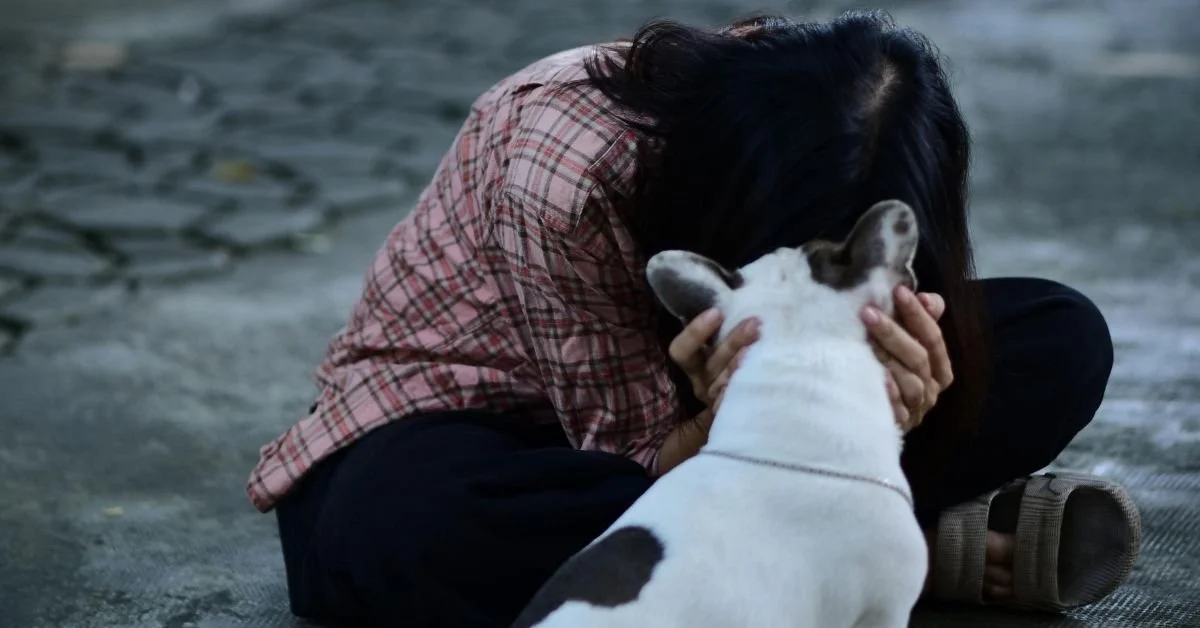
Medical emergencies, domestic violence, natural disasters, and sudden life changes often lead to urgent surrenders.
-
Stray animals rely on open‑intake shelters for safety, identification, and reunification.
-
Kitten season, holiday returns, and summer intake spikes all hit open‑intake shelters hardest.
These shelters are not just animal facilities; they are community support systems. They absorb the consequences of systemic issues far beyond their control.
How Open‑Intake Shelters Support Sustainable Communities
You might not immediately connect animal welfare with sustainable living, but the overlap is real and meaningful.
A community that supports its open‑intake shelter is a community that:
Reduces waste by preventing unnecessary euthanasia
Encourages responsible pet ownership
Strengthens local ecosystems
Builds resilience through shared responsibility
Just as a sustainable home focuses on long‑term care and thoughtful choices, a sustainable community does the same, and open‑intake shelters are part of that ecosystem.
What Open‑Intake Shelters Do Behind the Scenes
Most people never see the quiet, steady work happening inside these shelters. Here’s what their days actually look like:
-
This is one of the most successful — and least talked‑about — parts of their work.
-
Vaccines, wound care, emergency treatment, parasite control, and more.
-
Assessments, enrichment, training, and decompression for stressed animals.
-
Helping people understand pet care, safety, and responsible ownership.
-
Managing stray animals protects both people and pets.
-
During storms, heat waves, or local emergencies, open‑intake shelters are often the first to mobilize.
This is labor‑intensive, emotionally demanding work, and it’s done with compassion, even when resources are thin.
How This Connects to Sustainable Living at Home
You asked for this article to feel like a deep exhale, and here’s where that breath lands.
Understanding open‑intake shelters is part of a bigger picture: living with intention, reducing harm, and making choices that support long‑term wellbeing.
Just like choosing eco‑friendly home essentials, practicing low‑tox cleaning, or building a sustainable home, supporting open‑intake shelters is about:
Reducing strain on systems
Caring for what already exists
Making thoughtful, compassionate decisions
Strengthening the community you’re part of
Sustainable living isn’t only about products, it’s about relationships, responsibility, and the ripple effects of our choices.
How You Can Support Open‑Intake Shelters
You don’t need to overhaul your life or take on more than you can handle. Small, steady actions make a real difference.
-
Especially long‑stay pets, seniors, and overlooked animals.
-
Visibility saves lives. Your voice matters more than you think.
-
Affordable services reduce intake numbers dramatically.
-
Before assuming a stray is abandoned, check for:
A microchip
A collar or tag
Local lost‑and‑found groups
Neighborhood posts
Reuniting a pet with their family keeps them out of the shelter system entirely.
-
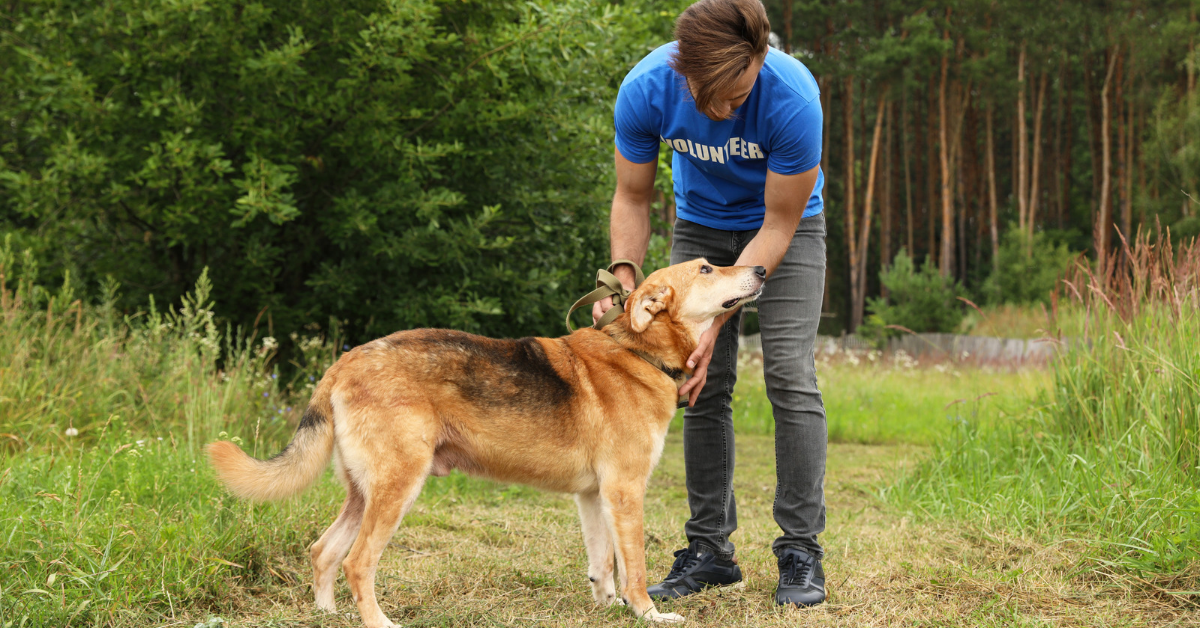
Volunteering, fostering, donating supplies, or offering professional skills all help.
-
Shelter staff and volunteers are doing their best within the limits of space, funding, and community needs.
A More Compassionate Way Forward
Open‑intake shelters are not the problem. They are the response to the problem.
When we understand their role, we can support them with empathy instead of judgment, and that shift alone can change outcomes for animals and people.
This is the heart of sustainable living: caring for the systems that care for us, choosing compassion over convenience, and building communities where everyone (human and animal) has a place.
If you want the heart of this topic in one place, these are the pieces that truly stay with you.
Key Takeaways
Open‑intake shelters accept every animal, without conditions or selective criteria.
Their challenges reflect community issues, not shortcomings within the shelter itself.
Supporting open‑intake shelters strengthens a sustainable, compassionate community, much like caring for shared resources at home.
Small, steady actions from individuals truly matter, from sharing posts to helping reunite lost pets.
Understanding their role reduces stigma and increases support, creating space for empathy, accuracy, and long‑term change.
Looking to Adopt Responsibly?
Sharing adoptable animals online is one of the simplest ways to reduce shelter overcrowding. Even one share can increase visibility for a dog or cat who might otherwise be overlooked.
If you’d like to meet the pets we’re currently helping amplify, visit our Green Muse Adoptables hub — a curated list of publicly posted animals who need visibility right now.

-
At The Green Muse, we believe that conscious living begins with curiosity, compassion, and access to trustworthy information. Through our articles on sustainable living, ethical fashion, mindful consumption, and animal welfare, we aim to make thoughtful choices more accessible without encouraging perfection or unnecessary consumption.
Transparency, editorial independence, and respect for our readers guide how we research, create, and maintain our content.
Editorial Integrity & Research
Our articles combine independent research, credible publications, publicly available information, and thoughtful editorial analysis. We may use digital research tools, trend analysis, and AI-assisted platforms to help gather, organize, and review information.
All content is reviewed before publication, with sources cross-checked where practical. We recognize that research evolves, information can become outdated, and no source or technology is infallible.
Our articles are intended to encourage informed decisions and further exploration, not to present any single lifestyle, product, or approach as the only responsible choice.
Affiliate Links & Brand Partnerships
Some articles contain affiliate links. When readers make qualifying purchases through these links, The Green Muse may earn a commission at no additional cost to them.
Affiliate partnerships help support our independent editorial work. We aim to feature brands, products, and services that are relevant to our content and consistent with our values. Commercial relationships do not guarantee favorable coverage or determine our editorial conclusions.
We encourage readers to consider their individual needs, research products independently, and make purchases thoughtfully.
External Links, Product Availability & Archived Content
Our articles may reference sustainable brands, products, nonprofit organizations, educational resources, and other third-party websites.
As brands evolve, products are discontinued, organizations update their websites, and affiliate programs change, some external links may become outdated, redirect, or stop working altogether.
We review and update content as resources allow, but cannot guarantee the continued availability, accuracy, pricing, or functionality of third-party websites and links. The inclusion of an external resource does not constitute an endorsement of every product, policy, or practice associated with that website.
Older articles remain part of our educational archive and may reflect information available at the time of publication. Readers are encouraged to verify current details directly with the relevant organizations or providers.
Animal Welfare, Rescue Advocacy & Adoptable Pets
Animal welfare is an important part of The Green Muse. Through educational articles, rescue resources, and The Green Muse Adoptables, we help raise awareness of shelter animals, responsible adoption, fostering, and the work of animal welfare organizations.
Our advocacy is independent and primarily volunteer-based. We are not a shelter, rescue organization, veterinary provider, or adoption agency. Unless explicitly stated, featuring an organization or animal does not imply an official affiliation, employment relationship, or financial compensation.
When sharing adoptable animals, we rely on information provided by shelters, rescue organizations, and other authorized sources. We make reasonable efforts to check and update information, but adoption status, location, medical details, and eligibility can change without notice.
All adoption inquiries, applications, and placement decisions must be handled directly by the responsible shelter or rescue organization.
Rescue Resources, Donations & Third-Party Organizations
Links to animal shelters, rescue groups, nonprofit organizations, donation pages, wishlists, and community programs are shared to help readers discover ways to support animal welfare.
The Green Muse does not operate or control these third-party organizations or their websites. We cannot guarantee their current practices, policies, fundraising activities, availability, or outcomes.
Readers should verify donation information, adoption procedures, and organizational details directly before making financial commitments or participating in programs.
Educational Information & Professional Guidance
Content published on The Green Muse is provided for general educational and informational purposes.
Discussions involving sustainability, environmental practices, animal health, shelter operations, adoption requirements, and related subjects should not replace guidance from qualified professionals.
For veterinary, medical, legal, or other specialized matters, readers should consult appropriately qualified professionals and the organizations directly responsible for individual cases.
Images, Creative Assets & Copyright
Images and creative materials featured on The Green Muse may come from licensed image libraries, design platforms, participating brands, photographers, shelters, rescue organizations, and other credited sources.
These may include Pexels, Unsplash, Canva, Getty Images, and materials supplied by organizations featured in our content.
Images are used according to applicable licenses, permissions, or other lawful grounds. Unless otherwise stated, copyright and ownership remain with their respective rights holders. Their appearance on our website does not imply that The Green Muse owns the original works or that the creators endorse our content.
Corrections, Updates & Community Collaboration
We welcome corrections and updated information from readers, brands, shelters, rescue organizations, and community partners.
Although we work to maintain accurate and useful content, information may change after publication. If you notice an outdated resource, broken link, incorrect attribution, or an animal profile requiring an update, please contact us.
Your input helps us maintain a more reliable and respectful educational resource for our community.
Contact: hello@thegreenmuseblog.com
Thank you for reading with curiosity, supporting independent content, and helping us build a more thoughtful relationship with the world around us.












When pet care becomes difficult to afford, finding reliable help can feel overwhelming. Explore veterinary assistance programs, affordable care resources, and practical steps for preparing applications so you can make informed decisions about your pet's needs.