What Is a Pledge in Animal Rescue (And Why It Saves Lives)
Pledges are often mentioned in urgent rescue posts, but rarely explained. This guide breaks down what a pledge really is, how it works behind the scenes, and why it can be the deciding factor in saving an animal’s life.
If you’ve ever scrolled past a rescue post asking for pledges and paused, uncertain what they really mean or whether they actually make a difference, you’re not alone. The word appears often in animal rescue spaces, yet its impact is widely misunderstood.
In animal rescue, pledges are conditional financial commitments made by individuals who promise to donate a specific amount if an animal is rescued by a verified organization. They are not random donations, nor are they symbolic gestures. Pledges serve a very specific and powerful purpose: they reduce the financial risk for rescues stepping in to save an animal from euthanasia, neglect, abandonment, or crisis situations.
For many rescues operating with limited funds, pledges can be the deciding factor. Veterinary care, emergency transport, boarding, medical treatment, and rehabilitation all come with immediate costs. When a rescue sees that an animal already has pledged support behind them, it signals that the community is willing to share the burden. That collective backing often turns a “we can’t afford it” into a “we can try.”
Pledges also create visibility and urgency. A growing pledge total can draw attention to animals who might otherwise be overlooked, especially seniors, medical cases, large dogs, or animals in overcrowded shelters. In this way, pledges don’t just provide funding; they create momentum, accountability, and hope.
Understanding how pledges work helps supporters participate more responsibly and effectively. When used correctly and honored after rescue, pledges become one of the most direct ways everyday people can help save lives, without needing to foster, transport, or rescue themselves.
In short, pledges are not passive support. They are a bridge between awareness and action, and in many cases, they are what makes rescue possible at all.
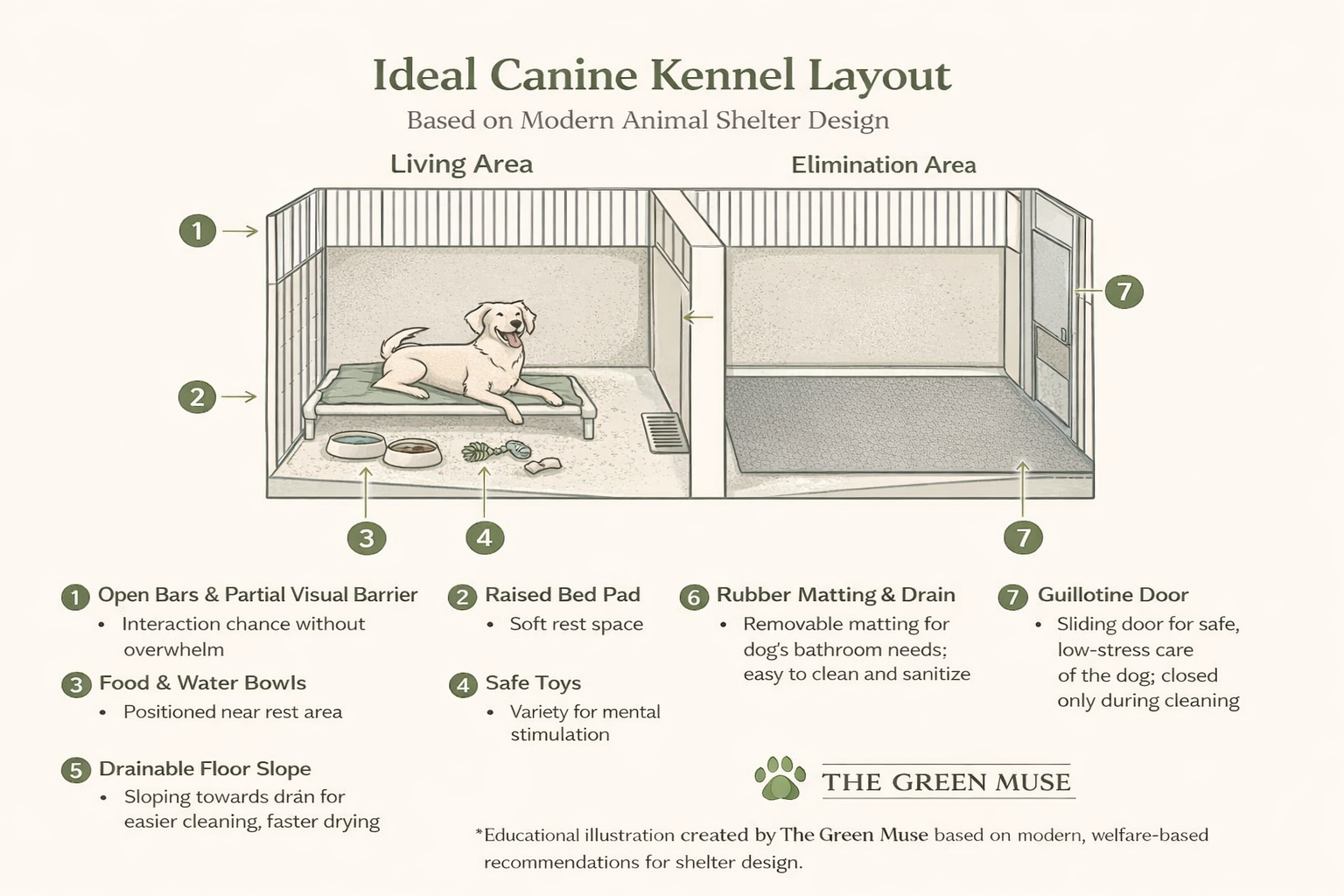
The Association of Shelter Veterinarians outlines recommended enclosure layouts that separate rest and elimination areas to reduce stress and disease transmission (source linked).
1. What a Pledge Is
A pledge is a conditional promise of financial support made to help an animal once a rescue commits to saving them. It is one of the most common (and most misunderstood) tools used in animal rescue, especially in urgent shelter situations.
Unlike a donation, a pledge is not sent immediately. Instead, it becomes active only after a licensed rescue or nonprofit officially pulls the animal from the shelter. This system helps rescues make informed decisions, knowing that financial support is already waiting for the animal once they are safe.
Pledges are often gathered when an animal is at high risk, such as facing euthanasia due to overcrowding, medical needs, or lack of space. When enough pledges are in place, they can be the deciding factor that allows a rescue to step forward.
Pledged funds are typically used to cover essential rescue-related expenses, including:
Emergency and routine veterinary care
Spay or neuter surgery
Medications and ongoing medical treatments
Boarding, foster care, or temporary housing
Transportation costs, including shelter pulls or long-distance rescue transfers
Rehabilitation expenses for injured, neglected, or special-needs animals
Because rescues operate with limited budgets, pledges help reduce financial risk and ensure that lifesaving care can begin immediately. In many cases, pledges turn public concern into real, tangible support, bridging the gap between an animal in danger and a rescue willing to help.
Understanding how pledges work is an important step in supporting ethical, transparent rescue efforts. When used correctly, pledges save lives by empowering rescues to act quickly, responsibly, and sustainably.
2. Why Pledges Matter So Much
Animal rescues operate within constant limits, limited funding, limited foster homes, limited space. Every intake decision is not just emotional; it’s financial, logistical, and often urgent.
When an animal is labeled rescue only, medically fragile, behaviorally complex, or at immediate risk of euthanasia, a rescue must pause and ask a difficult but necessary question:
Can we responsibly afford to take this animal right now?
This is where pledges become critical.
A pledge is a public commitment of financial support made before a rescue pulls an animal. While pledges are not always collected unless a rescue steps forward, they serve as a powerful signal of shared responsibility. They tell rescues: you will not be carrying this burden alone.
Pledges help offset the real, immediate costs that come with intake, including:
Emergency veterinary exams and diagnostics
Vaccinations, spay/neuter procedures, and medications
Specialized medical treatment or rehabilitation
Transportation, boarding, or short-term foster care
For animals with higher needs, these costs can rise quickly. Without financial backing, even the most compassionate rescue may be forced to say no—not because they don’t care, but because saying yes could jeopardize the animals already in their care.
A strong pledge total can:
Reduce financial risk and stabilize the rescue’s budget
Make urgent pulls possible, especially in overcrowded shelters
Encourage multiple rescues to collaborate or step forward
Increase an animal’s visibility, signaling community support
In many cases, pledges are the deciding factor between an animal being saved or left behind. They turn concern into action. They transform individual compassion into collective impact.
When you pledge, you’re not just offering money—you’re helping a rescue say yes when the odds say no.
3. How Pledges Are Used in Practice
A rescue pledge is a conditional promise of financial support. It is not a donation in advance, it’s a commitment that only becomes active if a rescue is able to step in and save the animal. Understanding how this process works helps prevent confusion and protects both supporters and legitimate rescue organizations.
Here’s how pledges are typically used in real-world rescue situations:
Step 1: An Animal Is Listed as Urgent
A shelter, volunteer network, or rescue advocate posts an animal who is at immediate risk—often due to overcrowding, medical needs, or an impending euthanasia deadline. These posts usually include basic details such as location, deadline, health concerns, and the type of help needed.
Step 2: Supporters Offer Pledges
Individuals comment on the post or submit a pledge form stating how much they are willing to contribute if a rescue pulls the animal.
Key point: No money is sent at this stage. A pledge is simply a promise, not a transaction.
Step 3: Rescues Review Total Pledged Support
Legitimate rescues monitor these posts to determine whether enough financial backing exists to responsibly take the animal in. Pledges help offset costs such as:
Transport
Veterinary exams and treatment
Spay/neuter procedures
Quarantine, boarding, or foster care
Emergency or long-term medical needs
The total pledged amount can be the deciding factor in whether a rescue is able to act.
Step 4: A Rescue Pulls the Animal
If a rescue confirms intake, meaning they physically remove the animal from the shelter, pledges are then activated. At this point, supporters are contacted (or check back on the original post) for instructions on how to honor their pledge.
Step 5: Funds Go Directly to the Rescue
Pledged funds are sent directly to the rescue organization, not the shelter and not an individual. This ensures:
Transparency
Accountability
Funds are used specifically for the animal’s care
Reputable rescues typically provide clear payment methods (such as their official website, verified donation platforms, or written confirmation).
What Happens If No Rescue Pulls the Animal?
If no rescue is able to step in, no money changes hands. Pledges are voided automatically because the condition (rescue intake) was never met. Supporters are never obligated to send funds in this case.
Why This Matters: Pledges save lives by reducing the financial risk for rescues and allowing them to say “yes” in urgent situations. When understood and used correctly, pledges are one of the most effective community-driven tools in animal rescue—rooted in trust, transparency, and collective action.
If you’re new to animal rescue terminology, you may also want to explore our Rescue Education & Shelter Resources to better understand how shelters and rescues operate behind the scenes.
4. Common Misunderstandings About Rescue Pledges
Rescue pledges are one of the most misunderstood tools in animal advocacy. While they often appear simple (just a promise of support) their impact, structure, and limitations are frequently misrepresented or unclear. Understanding how pledges truly work helps advocates participate more effectively and responsibly.
“My small pledge won’t matter.”
This is one of the most common (and most damaging) misconceptions. In reality, most rescues are funded through many small pledges, not a few large ones. A $5, $10, or $20 pledge may feel insignificant on its own, but when dozens (or hundreds) of people contribute, those amounts often meet or exceed the funds needed for pull fees, transport, medical care, or boarding. Collective action is the backbone of rescue funding, and small pledges are often what make a rescue financially possible.
“I’ll be charged immediately.”
A rescue pledge is not an automatic donation. Pledges are conditional promises, meaning funds are only collected if and when the animal is successfully saved. If the rescue cannot pull the animal, your pledge is not charged. This structure protects both the donor and the rescue, ensuring transparency and accountability in urgent situations.
“Pledges guarantee the animal will be rescued.”
While pledges are essential, they are only one part of the rescue equation. Even when funding goals are met, rescues must still have foster homes, kennel space, medical capacity, transportation, and volunteer availability. A fully pledged animal may still be at risk if there is nowhere for them to go. This is why fostering, networking, and logistical support are just as critical as financial pledges.
“Sharing the post is enough.”
Visibility absolutely matters, sharing increases reach, awareness, and potential help. However, pledges provide tangible, actionable support that rescues rely on to make decisions. A post with high engagement but no financial backing may not give a rescue the confidence they need to commit to a pull. The most effective advocacy combines sharing, pledging, and practical support whenever possible.
Why this understanding matters
Clear knowledge about how rescue pledges work empowers advocates to act with intention rather than assumption. When people understand the role pledges play (and their limitations) they can support animals more effectively, avoid frustration or guilt, and help rescues operate with greater stability and trust.
Pledges don’t work alone. But without them, many rescues can’t work at all.
5. What Makes a Pledge Effective
An animal rescue pledge is only as powerful as the intention and follow-through behind it. When done thoughtfully, pledges can help rescues say “yes” to animals who might otherwise be left behind. When done carelessly, they can create confusion or false hope. Here’s how to make your pledge truly meaningful and responsible.
Be clear and specific about the amount
Always state the exact dollar amount you are pledging. Clear amounts allow rescues to calculate medical costs, transport, boarding, and intake decisions accurately. Vague pledges like “I can help” or “I’ll donate later” are difficult to count on during urgent situations.
Only pledge what you can realistically honor
Pledges should reflect funds you already have or know you can provide promptly. Over-pledging (especially in emotional moments) can unintentionally harm rescues if promised funds don’t arrive.
Follow through if a rescue pulls the animal
A pledge is a commitment, not a comment of support. If a rescue steps in based on pledged funds, it’s essential to honor that promise. Reliable pledges build trust and help rescues continue saving animals with confidence.
Send funds promptly when contacted
Timing matters. Many rescues operate with limited resources and rely on pledged funds to cover immediate expenses such as vet care, transport, or emergency boarding. Sending funds quickly ensures animals receive care without delays.
Support verified, transparent rescues
Whenever possible, pledge to rescues that clearly share their intake process, nonprofit status, veterinary partnerships, and use of funds. Transparency protects both donors and animals and strengthens the rescue ecosystem as a whole.
Avoid public pressure or shaming language
Pledges should never be used to pressure rescues or guilt others into donating. Language that shames or demands action can create harm and overwhelm. Effective pledging is rooted in respect, collaboration, and shared purpose, not urgency-driven coercion.
Why reliability matters
Pledges work best when they are dependable, respectful, and grounded in trust. A small, honored pledge is far more impactful than a large promise that never materializes. When donors pledge responsibly, rescues can act decisively, and more animals get the chance they deserve.
6. What You Can Do If You Can’t Pledge Money
Supporting animal rescues doesn’t always require a financial pledge. In fact, many rescues rely just as heavily on time, skills, and informed advocacy as they do on donations. If you’re unable to give money right now, there are still meaningful, tangible ways to help strengthen the rescue network and save lives.
Here are impactful ways to support animal rescues without donating money:
Offer to foster through a legitimate rescue
Fostering is one of the most critical forms of non-financial support. Opening your home (even temporarily) frees up space in overcrowded shelters and gives animals a safer, calmer environment to decompress. Many rescues cover food, veterinary care, and supplies; what they need most is a safe place and a compassionate human.Help coordinate or assist with transport
Transport is often the missing link between an animal and safety. Volunteers who can drive, help plan routes, or connect rescues across regions play a vital role, especially in emergency pulls, interstate adoptions, or transfers from high-risk shelters.Share rescue posts with accurate context
Thoughtful sharing matters. Amplifying adoption posts, urgent pleas, or fundraiser updates (while preserving correct details and source credit) helps rescues reach the right people faster. Avoid sensationalism; clarity and accuracy build trust and real results.Support rescues consistently, not only during crises
Many organizations struggle in the quiet periods between emergencies. Following rescues, engaging with their content, sharing success stories, and helping them stay visible year-round creates stability and long-term impact.Learn how the rescue system works so you can guide others
Understanding terms like pledges, fostering, rescue-only, waivers, and intake policies allows you to educate friends, family, and your wider community. Knowledge reduces fear, prevents misinformation, and empowers more people to help responsibly.
Every action (no matter how small) adds strength to the rescue ecosystem. When people contribute in different ways, rescues become more resilient, animals have more chances, and compassion turns into collective action.
Pledges Are About Shared Responsibility—Not Pressure
Animal rescue pledges are not built on guilt, panic, or emotional pressure. At their core, pledges are a shared system of support that allows rescues, shelters, and advocates to act responsibly while protecting the long-term well-being of animals in their care.
When people understand how rescue pledges work, the role they play in covering medical costs, transport, and emergency care becomes clearer. Support shifts from reactive donations made in moments of distress to strategic, informed assistance that helps rescues plan, allocate resources, and save more lives over time.
This understanding is essential. Sustainable animal rescue depends not only on compassion, but on education, transparency, and realistic expectations. Pledges allow individuals to participate in lifesaving efforts without overextending rescues (or themselves) creating a more stable system for animals, volunteers, and organizations alike.
By learning the meaning behind terms like pledge, rescue-only, and medical hold, advocates can engage with rescue efforts more confidently and responsibly. Knowledge reduces burnout, limits misinformation, and strengthens trust between the public and the organizations doing this work every day.


This article is part of the Shelter 101 series, an educational resource designed to explain commonly used animal rescue terms, shelter processes, and advocacy language, clearly, calmly, and with purpose. The goal is simple: to help people support animal welfare in ways that are informed, sustainable, and truly impactful.
-
At The Green Muse, we use our platform to support animal welfare through education, awareness, and ethical advocacy. When we highlight rescues, shelters, or adoptable animals, we do so as independent advocates and volunteers. We are not financially compensated, contracted, or acting as official representatives of any organization unless explicitly stated.
Our role is to help amplify life-saving work, share accurate information when available, and encourage informed, compassionate action within the animal rescue community.
-
Links to external websites — including rescue pages, nonprofit organizations, donation platforms, and wishlists — are provided for informational and awareness purposes only. The Green Muse does not own, operate, or control these third-party sites and is not responsible for their content, availability, policies, or outcomes.
We encourage readers to conduct their own due diligence, ask questions directly, and support organizations in ways that feel aligned and responsible to them.
-
All content published on The Green Muse is intended for educational and awareness purposes. Articles discussing shelter systems, rescue terminology, animal welfare practices, or advocacy topics are not a substitute for professional advice, veterinary care, legal counsel, or direct communication with shelters or rescue organizations.
Situations involving animal health, behavior, intake decisions, or adoption requirements can vary widely. When considering adoption, fostering, transport, or medical care, always consult qualified professionals and the organizations directly involved.
-
We are committed to maintaining an ethical, accurate, and respectful Rescue Directory and educational resource library. While we research and verify information to the best of our ability, details can change quickly within shelter and rescue systems.
If you are affiliated with an organization listed — or notice outdated or incorrect information — we welcome your input. Community collaboration helps ensure animals, advocates, and organizations are represented with care, clarity, and integrity.
📩 Contact: hello@thegreenmuseblog.com

Animal rescue waivers explained simply. Learn why shelters use waivers, what they mean for adopters, and how they protect lifesaving work.