Kitten Season Preparedness: How to Help Your Local Shelter Before the Surge Hits
Kitten season arrives every spring, bringing an overwhelming wave of newborn litters to already stretched municipal shelters. This guide offers gentle, practical ways to prepare your sustainable home, support your community, and help shelters before the surge hits — without pressure, panic, or unnecessary purchases.
Understanding Kitten Season: Why Spring Overwhelms Local Shelters
Spring has a way of softening the world. Days stretch a little longer, sunlight warms the ground, and everything feels like it’s waking up again. But inside municipal shelters, this shift signals something very different: the beginning of kitten season, a predictable, annual surge of newborn kittens who arrive far faster than shelters can care for them.
Kitten season typically begins in April and continues through late summer, aligning with the natural breeding cycle of outdoor and community cats. As temperatures rise, unspayed cats enter heat, pregnancies overlap, and litters are born in rapid succession. For shelters already operating with limited staff, limited space, and limited medical resources, this seasonal influx can feel like a tidal wave.
Why Kitten Season Happens
Kitten season isn’t a mystery, it’s a predictable intersection of biology, climate, and community conditions that repeats every spring. Understanding why it happens helps us respond with clarity instead of frustration, and it highlights why shelters rely so heavily on community support during these months.
Warmer Weather Triggers Breeding Cycles
Cats are seasonal breeders. As daylight increases and temperatures rise, hormones shift and mating begins. By early spring, outdoor and community cats are already pregnant, and by April, shelters start seeing the first wave of newborn litters.
This cycle continues through late summer, creating a steady stream of kittens who need immediate care.
Outdoor and Community Cats Reproduce Rapidly
A single unspayed female cat can produce multiple litters per year, and her offspring can begin reproducing within months. Multiply that across a neighborhood or city, and the numbers grow exponentially.
This is why kitten season feels like a surge rather than a trickle.
If you want to learn more about how outdoor cat populations grow, you’ll find a deeper breakdown in Understanding Community Cats.
Litters Arrive Faster Than Shelters Can Place Them
Even the most dedicated shelter teams can’t keep pace with the volume. Kittens (especially neonates and bottle babies) require specialized, round‑the‑clock care that most municipal shelters simply don’t have the staff or resources to provide.
Open‑intake shelters are legally required to accept every animal brought to their doors. When kitten season hits, they cannot slow the flow, they can only do their best to keep up.
This is why fosters, volunteers, and community members become essential partners during this season. You can learn more about this dynamic in How Municipal Shelters Operate.
Why Understanding This Matters
When we understand the “why” behind kitten season, we’re better equipped to respond with compassion and realism. It shifts the narrative from “Why aren’t shelters doing more?” to “How can we support them in sustainable, meaningful ways?”
It also helps us recognize that even small actions (fostering one litter, donating supplies, sharing adoptable animals, or learning what to do when you find kittens outdoors) can make a measurable difference.
If you’re ready to explore next steps, the following sections will guide you:
-
Municipal shelters carry a unique responsibility: they are open‑intake, which means they must accept every animal brought to their doors, no matter their age, condition, or circumstance. During kitten season, this mandate becomes especially challenging. Understanding how these shelters operate helps us support them in ways that are both compassionate and realistic.
Understand What Municipal Shelters Actually Do
Municipal shelters are often underfunded, understaffed, and tasked with serving entire communities. They manage everything from emergency intake to lost‑and‑found services, cruelty investigations, and public safety. When kitten season hits, their already‑limited resources stretch even thinner.
Ways You Can Support Them
You don’t need to be a foster or volunteer to make a meaningful impact. Here are sustainable, high‑impact ways to help:
Foster kittens or nursing moms to free up critical shelter space
Donate supplies like kitten formula, heating pads, scales, and low‑tox cleaning products
Share adoptable animals on social media to increase visibility
Support TNR programs (Trap‑Neuter‑Return) to reduce future litters
Ask what they need most — every shelter’s priorities are different
Why Your Support Matters
Municipal shelters are the backbone of community animal welfare. When we support them, we support the animals, the staff, and the entire ecosystem that keeps vulnerable pets safe.
-
Not everyone can foster or volunteer, and that’s okay. Ethical, sustainable support often begins right where you are: at home. Small, thoughtful actions can reduce strain on shelters and improve outcomes for community cats.
Build a More Sustainable Home Environment
The choices we make at home influence the wellbeing of outdoor and community cats. Simple shifts can make a meaningful difference:
Secure trash and compost to avoid attracting cats
Avoid leaving food outdoors unless you’re part of a managed colony
Use eco‑friendly home essentials that reduce environmental toxins
Keep your own cats indoors to prevent accidental litters
Create a Small “Kitten Season Kit”
A few items can help you respond calmly and safely if you encounter kittens:
A soft towel
A small carrier
Disposable gloves
A heating pad (non‑auto‑shutoff)
A notebook to record location details
This isn’t about rescuing every kitten, it’s about being prepared to make informed, ethical decisions.
Support From Home, Sustainably
You can also:
Donate from shelter wishlists
Share educational posts
Support local rescues financially
Advocate for spay/neuter access in your community
Helping from home is still helping, and it’s often the most sustainable way to stay involved long‑term.
-
Finding kittens outdoors can be emotional, but acting too quickly can unintentionally put them at risk. The most important thing you can do is pause, observe, and make decisions based on what’s best for the kittens, not what feels urgent.
Step 1: Observe Before You Intervene
Most kittens found outdoors are not abandoned. Their mother is often nearby, hunting or hiding from you. Removing kittens too soon can jeopardize their survival.
Watch from a distance for 4–6 hours if the kittens appear healthy, warm, and clean.
Step 2: Look for Signs the Mother Is Returning
A mother cat is likely still caring for her kittens if:
They are warm
They are clean
They are sleeping quietly
They are in a protected nest
If the kittens are cold, dirty, crying nonstop, or visibly ill, that’s when intervention may be needed.
Step 3: Contact Your Local Shelter or Rescue
If you’re unsure what to do, call your municipal shelter or a local rescue for guidance. They can help you determine whether the kittens should stay with their mother, enter foster care, or receive medical attention.
Step 4: Support the Family, If Possible
If the mother returns, the best outcome is often to let her raise the kittens until they’re old enough for spay/neuter and adoption. You can support them by:
Keeping the area quiet
Providing shelter from rain
Avoiding handling the kittens unnecessarily
Step 5: Plan for the Long Term
Once the kittens are weaned, contact your local shelter or TNR group to help with:
Spay/neuter
Adoption placement
Managing the mother cat humanely
This ensures the cycle doesn’t repeat next season.
Kitten season is challenging, yes, but it’s also a moment where community care becomes powerful.
A Season That Calls for Sustainable Support
Kitten season is one of the clearest examples of how animal welfare intersects with sustainable living, eco‑friendly home essentials, and thoughtful community action. When we prepare intentionally (whether by fostering, donating, or learning what to do when we find kittens outdoors) we help shelters conserve resources, reduce stress on staff, and give vulnerable animals a better chance at survival.
This is where your role becomes powerful. Not overwhelming. Not all‑consuming. Just steady, informed, and compassionate.
What Shelters Need Most During Kitten Season
Municipal shelters do extraordinary work with limited resources. When kitten season hits, their needs become both urgent and predictable.
Kitten formula (KMR)
Bottle babies require specialized formula. Cow’s milk is unsafe, and shelters often run through KMR faster than donations arrive.
Heating pads and incubators
Newborn kittens cannot regulate their body temperature. Warmth is as essential as food.
Foster homes
Fosters are the backbone of kitten season. They provide the time, space, and attention that shelters simply cannot.
Volunteers for bottle‑feeding shifts
Bottle babies need feeding every 2–3 hours. Shelters often rely on trained volunteers to help cover overnight or daytime shifts.
Donations for emergency medical care
Kittens are fragile. Even minor illnesses can escalate quickly. Medical funds allow shelters to act fast.
These needs are consistent across the country, but how you support them can be tailored to your lifestyle, your home, and your energy.
How You Can Prepare at Home
You don’t need a large space, a big budget, or a high‑intensity lifestyle to support your local shelter during kitten season. Small, sustainable steps matter.
Create a simple “kitten season kit”
This isn’t about stockpiling or buying in excess. It’s about having a few essentials on hand so you’re prepared if you encounter kittens outdoors or decide to foster.
A basic kit might include:
A soft towel
A small carrier
A heating pad (non‑auto‑shutoff if possible)
Disposable gloves
A notebook for tracking feeding times
These items also align naturally with a sustainable home mindset ,reusable, low‑waste, and multipurpose.
1-Learn the basics of what to do if you find kittens
Most people want to help immediately, but intervention isn’t always the right first step. Understanding when to act (and when to wait) is one of the most impactful things you can do.
2-Share educational posts from your local shelter
Awareness is a form of advocacy. Sharing accurate, respectful information helps correct myths and reduces unnecessary intake.
3-Sign up as a foster before the surge begins
Fostering is one of the most powerful ways to support shelters. Even short‑term fostering can save lives.
Preparing early helps shelters plan, train, and match you with kittens who fit your home and experience level.
The Most Important Rule: Don’t Immediately Pick Up Outdoor Kittens
This is the part most people don’t know, and it’s the part that matters most.
If you find kittens outside, do not pick them up right away.
Most kittens are not abandoned. Their mother is likely nearby, hunting or watching from a distance. Removing kittens too soon can:
Interrupt nursing
Reduce their survival chances
Create unnecessary shelter intake
Separate them from a mother who is actively caring for them
The best first step is observation. Watch from a distance for several hours. If the mother returns, the kittens are safe. If she does not, that’s when intervention becomes appropriate.
This approach aligns beautifully with sustainable living principles: thoughtful action, minimal disruption, and respect for natural systems.
Supporting Kitten Season Through a Sustainable Home
Helping shelters doesn’t require a dramatic lifestyle shift. Many of the habits that support animal welfare also support a calmer, more eco‑aligned home.
Use low‑tox cleaning products in foster spaces
If you foster, gentle cleaning products protect kittens’ developing immune systems. They also support your own health and reduce environmental impact.
This is where low‑tox cleaning and eco‑friendly home essentials naturally fit into the conversation, not as trends, but as practical tools for a safe, nurturing environment.
Create a quiet, warm corner for potential fosters
A small bathroom, laundry room, or spare nook can become a temporary kitten haven. You don’t need a dedicated room.
Reuse what you already have
Old towels, soft blankets, and small storage bins can all be repurposed for kitten care. Sustainability often begins with using what’s already in your home.
Support shelters through mindful decluttering
If you’re clearing out linens or household items, check your shelter’s wishlist. Many accept:
Towels
Washcloths
Fleece blankets
Small carriers
Heating pads
This keeps usable items out of landfills and supports your community at the same time.
Looking to Adopt Responsibly?
Another simple way to help is by sharing adoptable animals online. Even increasing visibility for one shelter dog can help them reach the right home. Our Green Muse Adoptables Instagram page highlights verified listings from municipal shelters and rescue organizations.
Please note: Animals shared are publicly listed by shelters or rescues. We are not affiliated with these organizations. All adoption inquiries must go directly to the shelter or rescue listed.
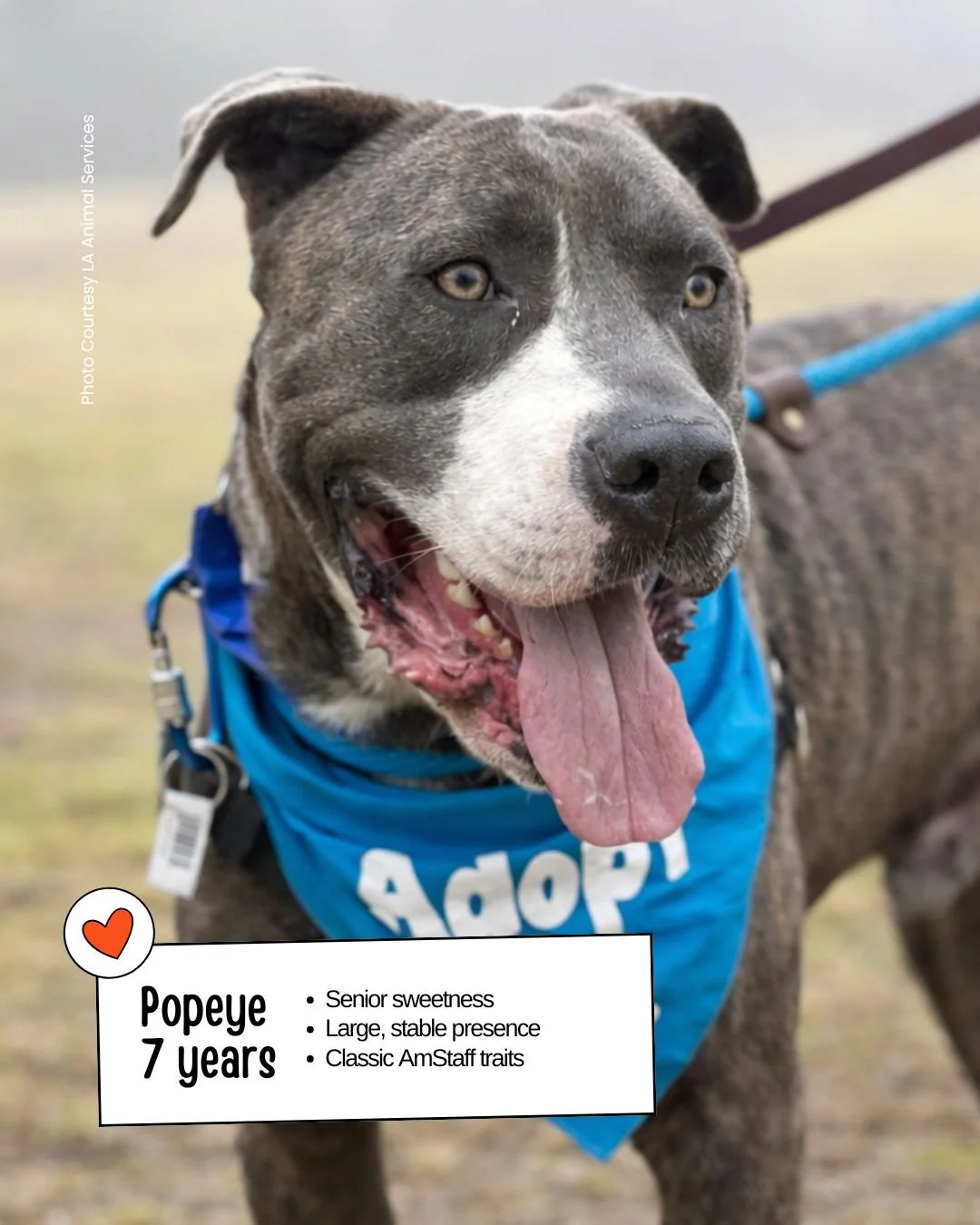
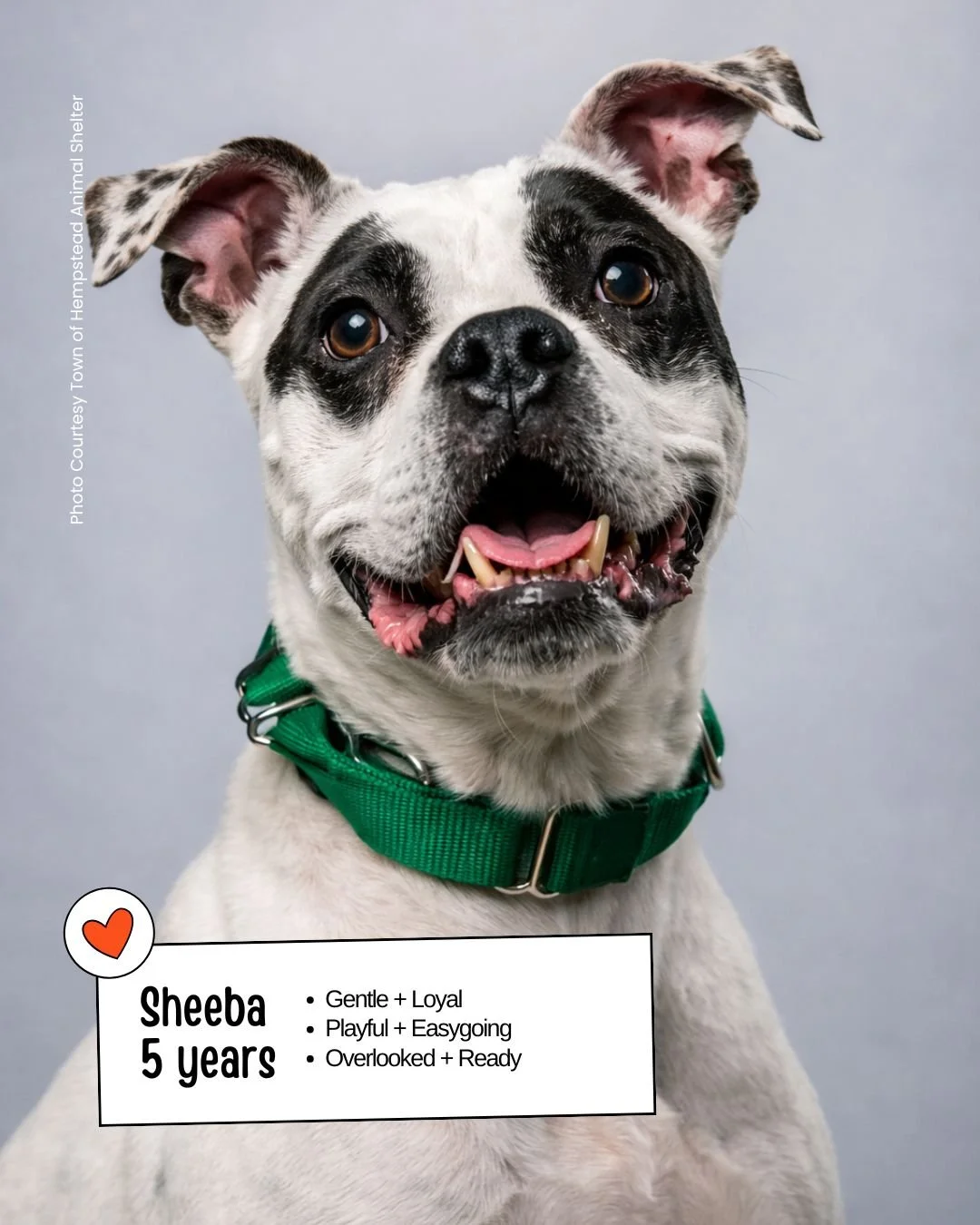
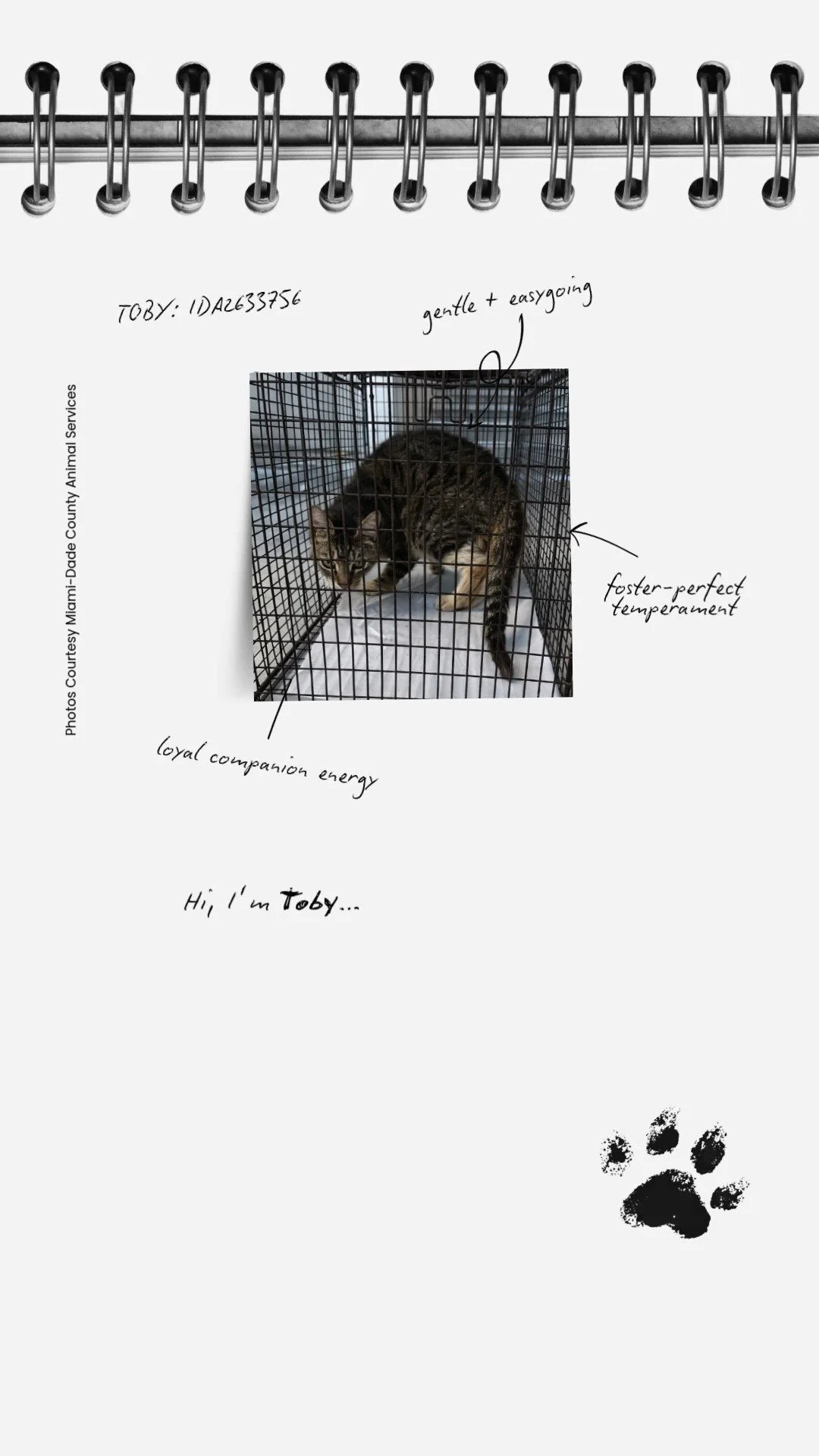
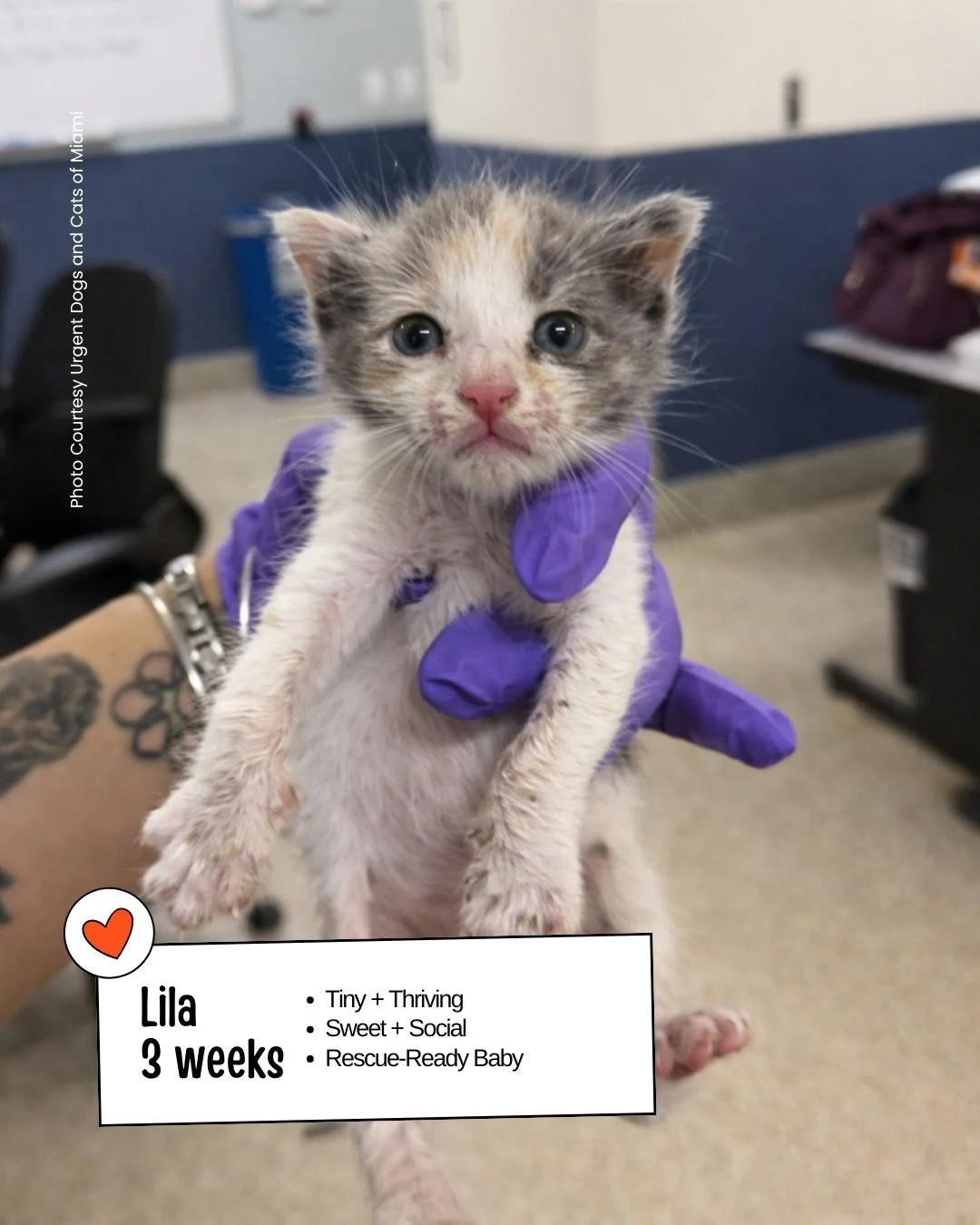
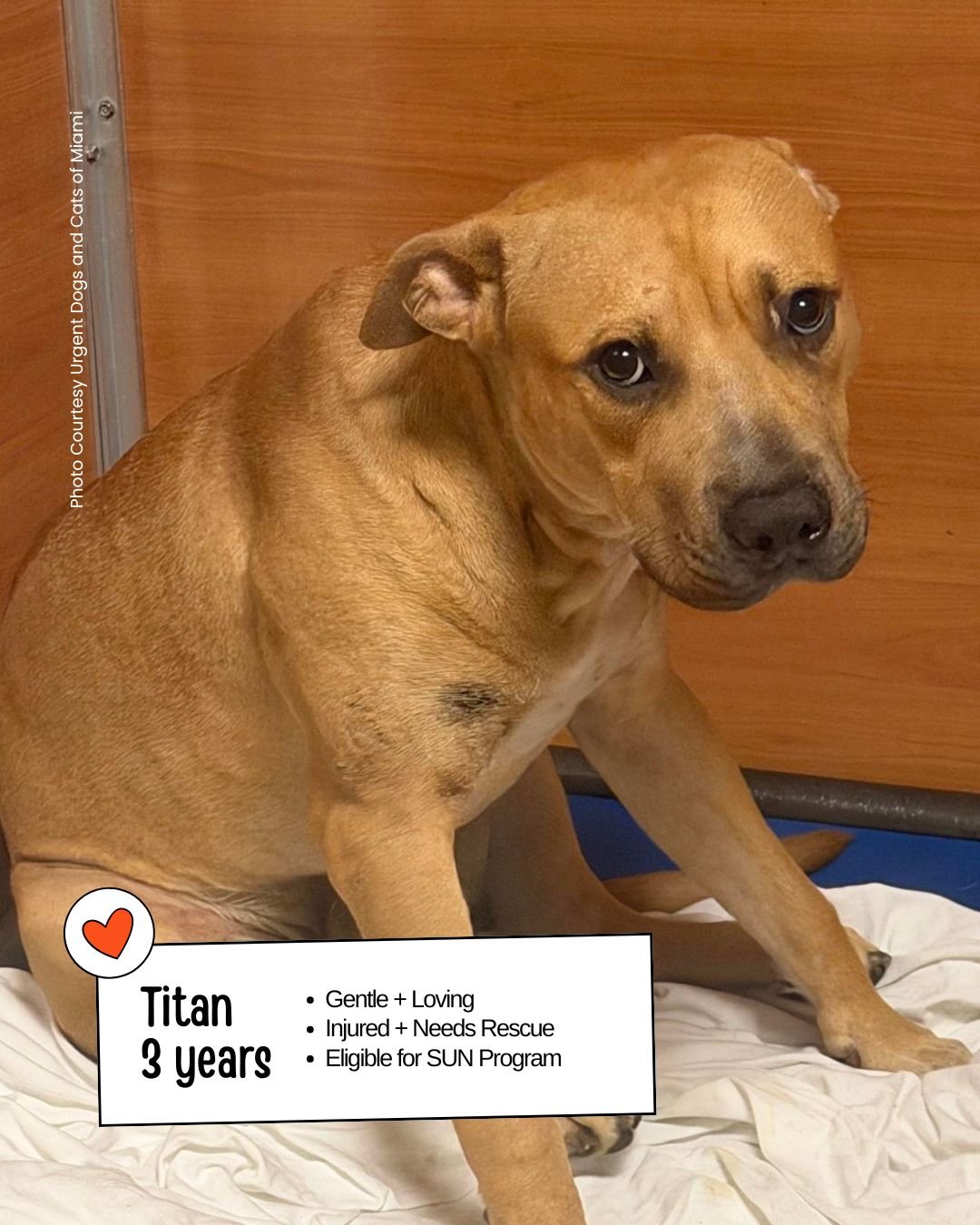




If you’re not ready to adopt but want to stay connected, you can follow our Green Muse Adoptables page, where we share verified animals currently looking for homes.
Why Kitten Season Overwhelms Municipal Shelters
Municipal shelters are open‑intake, meaning they accept every animal who arrive, no exceptions. During kitten season, this responsibility becomes especially heavy.
They’re balancing:
High intake
Limited staffing
Limited medical resources
Space constraints
Community expectations
Legal responsibilities
Understanding this context helps us approach the season with empathy rather than urgency. Shelters aren’t failing. They’re carrying the weight of community issues (overpopulation, lack of spay/neuter access, and outdoor cat colonies) all at once.
How to Support Without Overextending Yourself
Sustainable advocacy is advocacy you can maintain.
You don’t need to foster every season. You don’t need to donate every month. You don’t need to be available around the clock.
Instead, choose what aligns with your energy and your home:
Share adoptable animals
Learn what to do if you find kittens
Support TNR programs
Donate gently used items
Offer professional skills
Foster once a year
Volunteer for a single bottle‑feeding shift
Every action counts. None are too small.
Kitten season will always be a challenge, but it doesn’t have to feel overwhelming. When communities understand the cycle (and respond with calm, sustainable support) shelters can focus on what they do best: caring for the animals who need them most.
Your home, your voice, and your awareness matter. Whether you foster, donate, share, or simply stay informed, you’re part of a larger ecosystem of care.
And that ecosystem becomes stronger every spring.
Transparency Note
At The Green Muse, we believe ethical advocacy requires clarity and accountability. The following disclaimers explain how we approach rescue advocacy, educational content, and external resource links.
-
At The Green Muse, we use our platform to support animal welfare through education, awareness, and ethical advocacy. When we highlight rescues, shelters, or adoptable animals, we do so as independent advocates and volunteers. We are not financially compensated, contracted, or acting as official representatives of any organization unless explicitly stated.
Our role is to help amplify life-saving work, share accurate information when available, and encourage informed, compassionate action within the animal rescue community.
-
Links to external websites — including rescue pages, nonprofit organizations, donation platforms, and wishlists — are provided for informational and awareness purposes only. The Green Muse does not own, operate, or control these third-party sites and is not responsible for their content, availability, policies, or outcomes.
We encourage readers to conduct their own due diligence, ask questions directly, and support organizations in ways that feel aligned and responsible to them.
-
All content published on The Green Muse is intended for educational and awareness purposes. Articles discussing shelter systems, rescue terminology, animal welfare practices, or advocacy topics are not a substitute for professional advice, veterinary care, legal counsel, or direct communication with shelters or rescue organizations.
Situations involving animal health, behavior, intake decisions, or adoption requirements can vary widely. When considering adoption, fostering, transport, or medical care, always consult qualified professionals and the organizations directly involved.
-
We are committed to maintaining an ethical, accurate, and respectful Rescue Directory and educational resource library. While we research and verify information to the best of our ability, details can change quickly within shelter and rescue systems.
If you are affiliated with an organization listed — or notice outdated or incorrect information — we welcome your input. Community collaboration helps ensure animals, advocates, and organizations are represented with care, clarity, and integrity.
📩 Contact: hello@thegreenmuseblog.com
