How to Support Municipal Shelters: Small Actions That Make a Big Difference
Municipal shelters carry the weight of community animal welfare with limited resources and endless responsibility. This guide offers calm, practical ways to support them—rooted in sustainable living, community care, and everyday actions that genuinely help.
How to Support Municipal Shelters: Small Actions That Make a Big Difference
Municipal shelters are the quiet backbone of animal welfare. They take in every animal that arrives at their door, no matter the condition, breed, age, or circumstance. They do this work without fanfare, often without enough hands, and almost always without the resources they truly need.
Supporting them isn’t about grand gestures. It’s about steady, human‑scale actions that strengthen the safety net for animals who have nowhere else to go.
This article is a deep exhale: a grounded, practical guide to helping municipal shelters in ways that feel sustainable, realistic, and aligned with a thoughtful, eco‑minded lifestyle.
Why Municipal Shelters Need Community Support
Municipal shelters operate differently from private rescues. Their role is defined by law, not preference. They don’t get to choose which animals they take in, or how many.
Here’s what makes their work uniquely challenging:
They are legally required to accept all animals
Every stray, every surrender, every emergency intake. This creates constant pressure on space, staffing, and resources.
They operate with limited budgets
Municipal funding rarely reflects the true cost of care. Shelters stretch every dollar across food, medical treatment, cleaning supplies, staffing, and facility maintenance.
They manage high‑volume intake
Seasonal surges, community crises, and economic shifts all land on their doorstep. The flow never stops.
They often lack marketing and outreach resources
Most municipal shelters don’t have a dedicated social media manager, photographer, or writer. This means many adoptable animals go unseen.
These realities don’t call for guilt; they call for community. When people step in, even in small ways, the entire system becomes more humane and more hopeful.
How Supporting Municipal Shelters Aligns With Sustainable Living
Sustainable living isn’t only about what we buy or how we clean our homes. It’s also about how we show up for our communities, how we reduce waste, and how we care for the living beings around us.
Supporting municipal shelters fits naturally into a sustainable lifestyle:
It strengthens local ecosystems of care
It reduces the “waste” of overlooked animals
It encourages mindful adoption instead of commercial breeding
It channels resources (like low‑tox cleaning supplies or eco‑friendly home essentials) toward places that need them most
This is sustainability in its most human form: thoughtful, grounded, and community‑rooted.
Ways to Support Your Local Municipal Shelter
Below are practical, approachable actions that make a real difference. None requires perfection. All are meaningful.
-
Municipal shelters are full of wonderful animals who simply need visibility.
Adopting from them:
Reduces overcrowding
Saves lives directly
Supports ethical, community‑based animal care
Aligns with sustainable home values by choosing rescue over commercial breeding
If you’re building a sustainable home, adoption is one of the most impactful choices you can make.
-
Shelters run on people power. Even one hour a week can lighten the load.
Cleaning
Low‑tox cleaning practices are especially helpful. Many shelters welcome volunteers who can safely wipe down kennels, wash bowls, or help with laundry using gentle, animal‑safe products.
Walking
Dogs need movement, stimulation, and human connection. A single walk can change their entire day.
Enrichment
Reading to cats, offering puzzle toys, or simply sitting with shy animals helps them decompress and become more adoptable.
These tasks may seem small, but they create breathing room for staff who are stretched thin.
-
Shelters know exactly what they need—and what they don’t.
Wishlists often include:
Cleaning supplies
Towels and blankets
Food and treats
Enrichment toys
Eco‑friendly home essentials like reusable cloths or biodegradable waste bags
Donating from the wishlist ensures your contribution is useful, sustainable, and aligned with their real needs.
-
Visibility saves lives.
A single share can:
Help an animal reach the right adopter
Bring attention to long‑stay pets
Support shelters that lack marketing staff
Build community awareness
You don’t need a large following. You just need consistency.
Sharing adoptable animals is one of the easiest, most accessible forms of advocacy.
-
Municipal shelters rarely have the luxury of specialized staff.
Your skills (no matter how simple they feel to you) can be transformative.
Photography - Clear, warm photos help animals stand out.
Writing - Thoughtful bios give animals a voice.
Design - Flyers, graphics, and adoption campaigns help shelters reach more people.
These contributions are sustainable, high‑impact, and deeply appreciated.
Supporting Shelters Through a Sustainable Home Mindset
A sustainable home isn’t just about products, it’s about values.
Here’s how your home practices can support shelters too:
Use low‑tox cleaning products when donating or volunteering
Shelters often struggle with harsh chemicals. Gentle, effective alternatives help protect animals and staff.
Donate eco‑friendly home essentials
Reusable cloths, biodegradable bags, and durable bowls reduce waste and long‑term costs.
Adopt instead of shop
Choosing rescue is a form of ethical consumption. It reduces demand for commercial breeding and supports community care.
Share educational content
Helping others understand the role of municipal shelters amplifies your impact.
Sustainable living is a long game. Supporting shelters fits naturally into that rhythm.
The Heart of the Message
Municipal shelters are doing the hardest work with the fewest resources. They show up every day for animals who have been lost, abandoned, surrendered, or forgotten.
Community involvement isn’t optional; it’s essential.
But essential doesn’t mean overwhelming. It means steady. It means human. It means choosing one or two actions that feel doable and letting them become part of your rhythm.
When a community supports its municipal shelter, everything becomes more humane:
Animals get seen
Staff get relief
Adopters find the right match
The shelter becomes a place of possibility, not pressure
This is how change happens, quietly, consistently, and together.
Supporting a municipal shelter is one of the most grounded, meaningful ways to care for your community. It doesn’t require perfection or constant effort. It simply asks for presence, compassion, and small actions that add up over time.
Whether you adopt, volunteer, donate, share, or offer your skills, you’re helping build a more sustainable, compassionate world, one animal, one shelter, one community at a time.
Transparency Note
At The Green Muse, we believe ethical advocacy requires clarity and accountability. The following disclaimers explain how we approach rescue advocacy, educational content, and external resource links.
-
At The Green Muse, we use our platform to support animal welfare through education, awareness, and ethical advocacy. When we highlight rescues, shelters, or adoptable animals, we do so as independent advocates and volunteers. We are not financially compensated, contracted, or acting as official representatives of any organization unless explicitly stated.
Our role is to help amplify life-saving work, share accurate information when available, and encourage informed, compassionate action within the animal rescue community.
-
Links to external websites — including rescue pages, nonprofit organizations, donation platforms, and wishlists — are provided for informational and awareness purposes only. The Green Muse does not own, operate, or control these third-party sites and is not responsible for their content, availability, policies, or outcomes.
We encourage readers to conduct their own due diligence, ask questions directly, and support organizations in ways that feel aligned and responsible to them.
-
All content published on The Green Muse is intended for educational and awareness purposes. Articles discussing shelter systems, rescue terminology, animal welfare practices, or advocacy topics are not a substitute for professional advice, veterinary care, legal counsel, or direct communication with shelters or rescue organizations.
Situations involving animal health, behavior, intake decisions, or adoption requirements can vary widely. When considering adoption, fostering, transport, or medical care, always consult qualified professionals and the organizations directly involved.
-
We are committed to maintaining an ethical, accurate, and respectful Rescue Directory and educational resource library. While we research and verify information to the best of our ability, details can change quickly within shelter and rescue systems.
If you are affiliated with an organization listed — or notice outdated or incorrect information — we welcome your input. Community collaboration helps ensure animals, advocates, and organizations are represented with care, clarity, and integrity.
📩 Contact: hello@thegreenmuseblog.com
Optional Resource: Stay Connected With Adoptable Animals
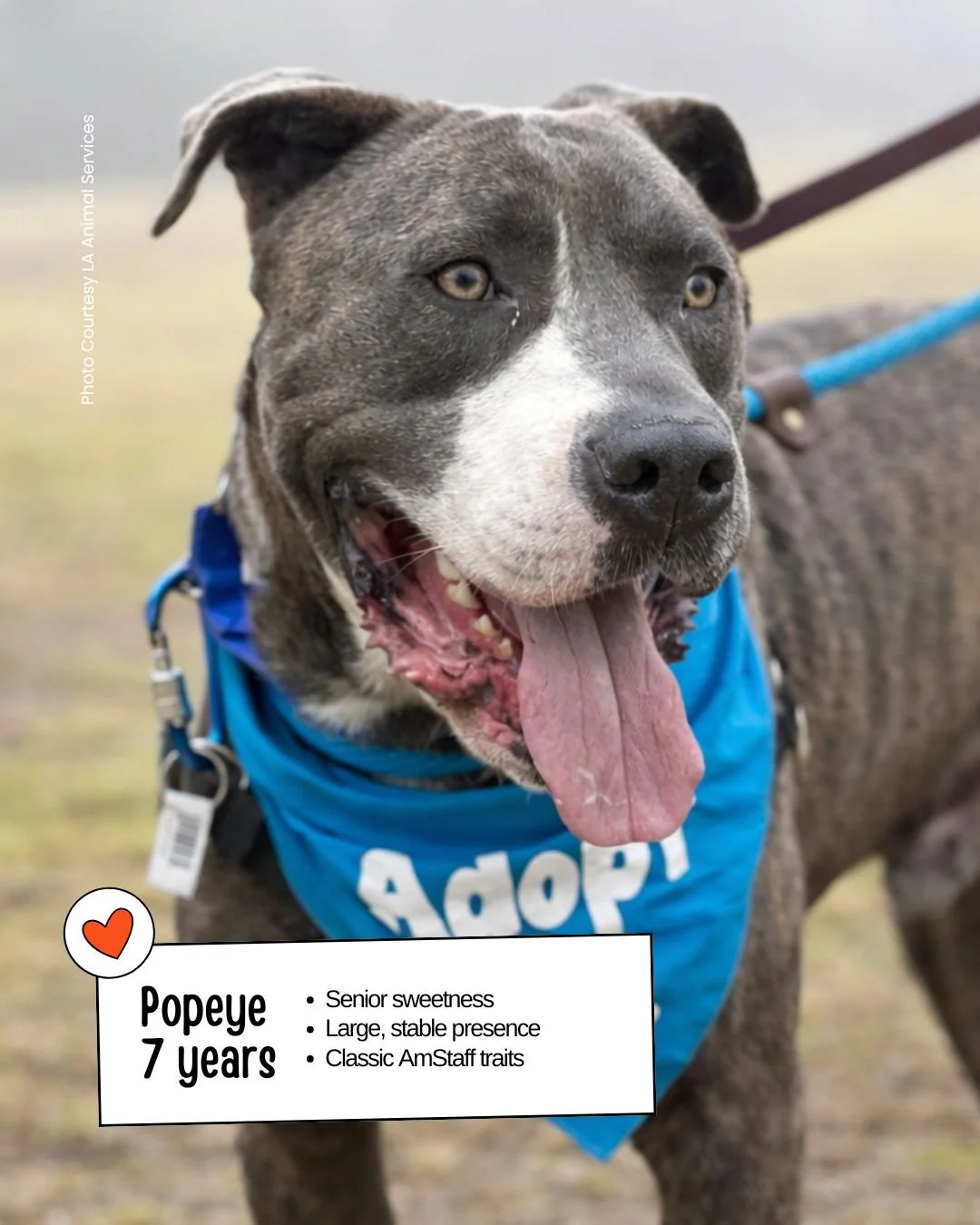
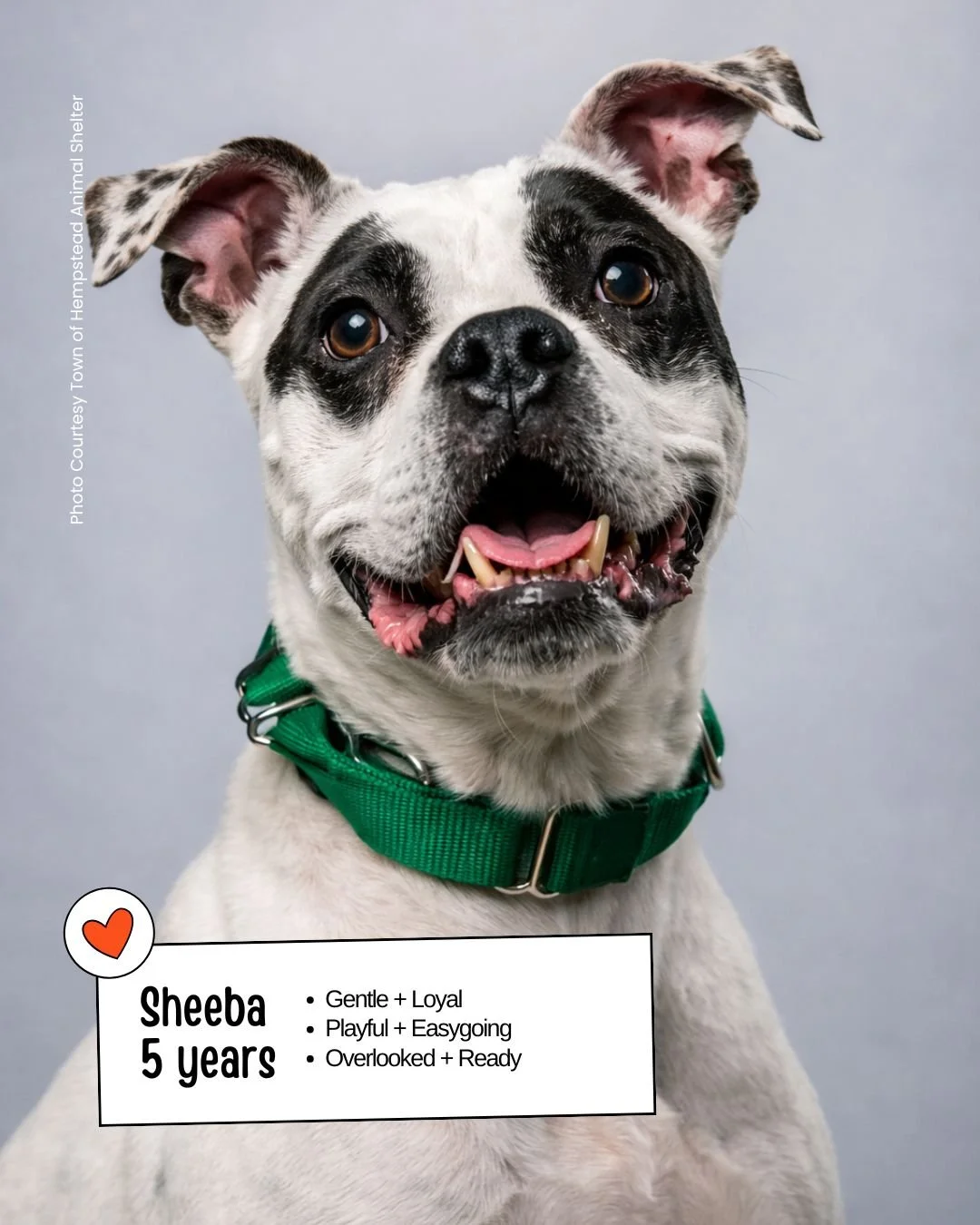
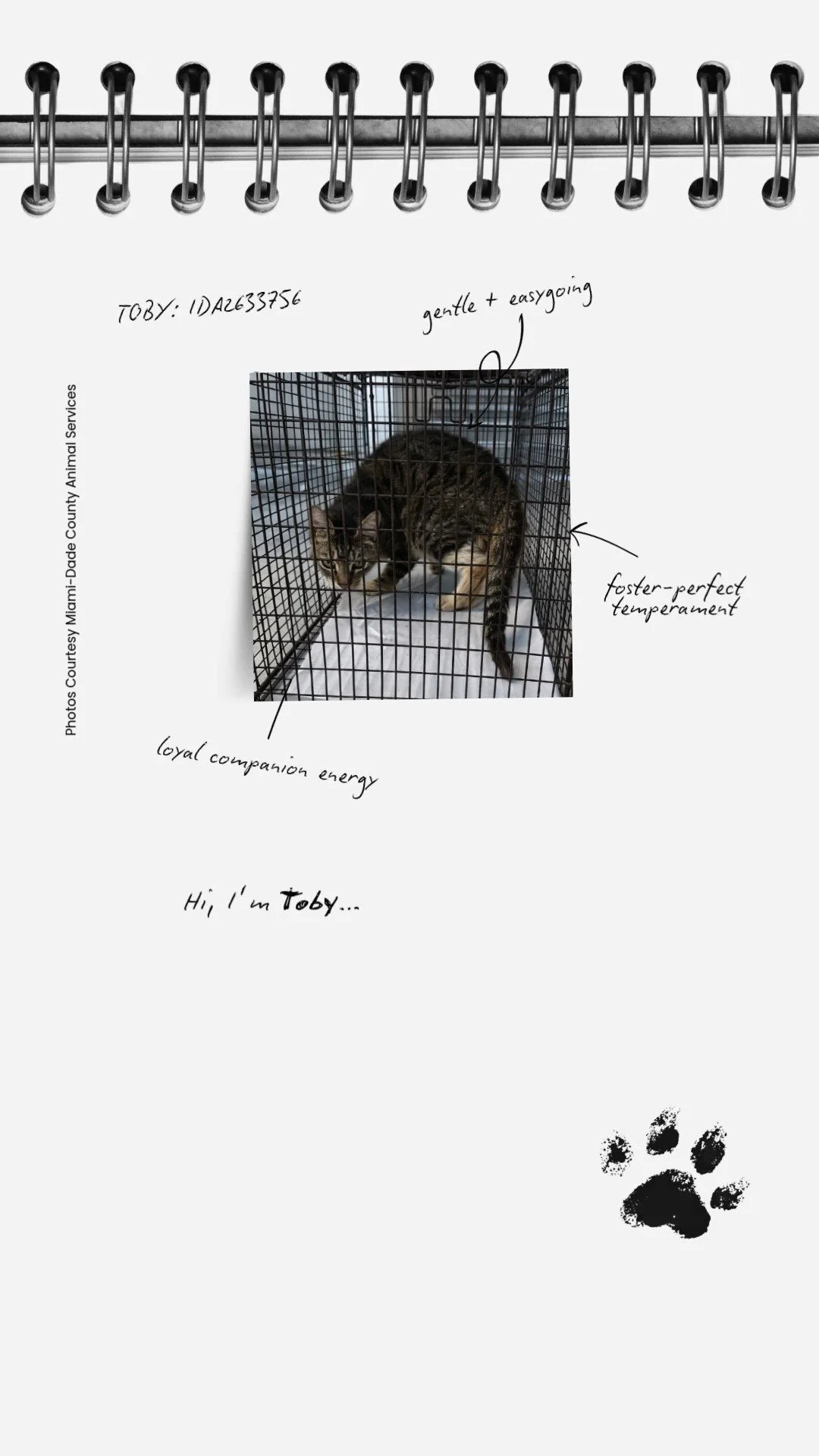
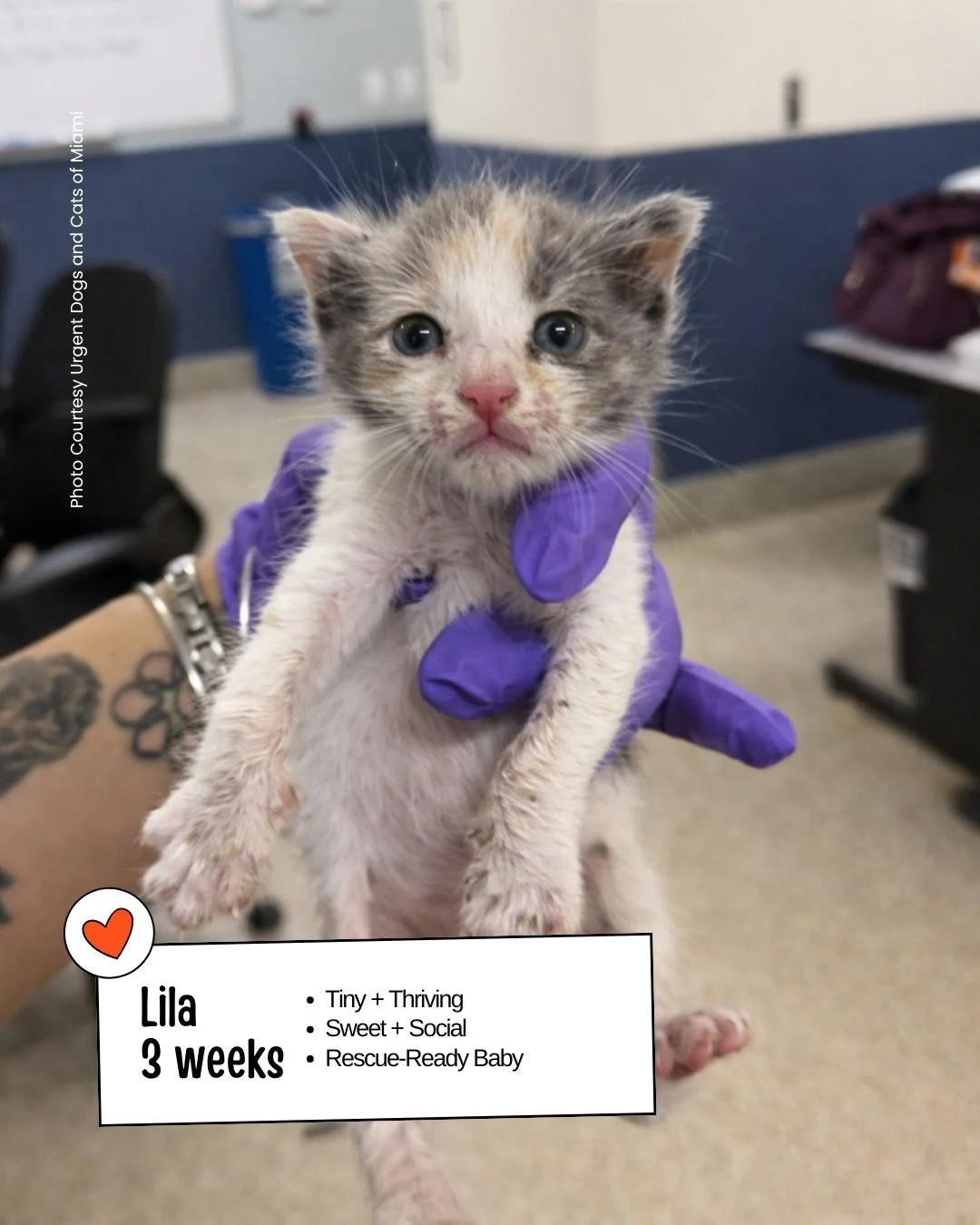
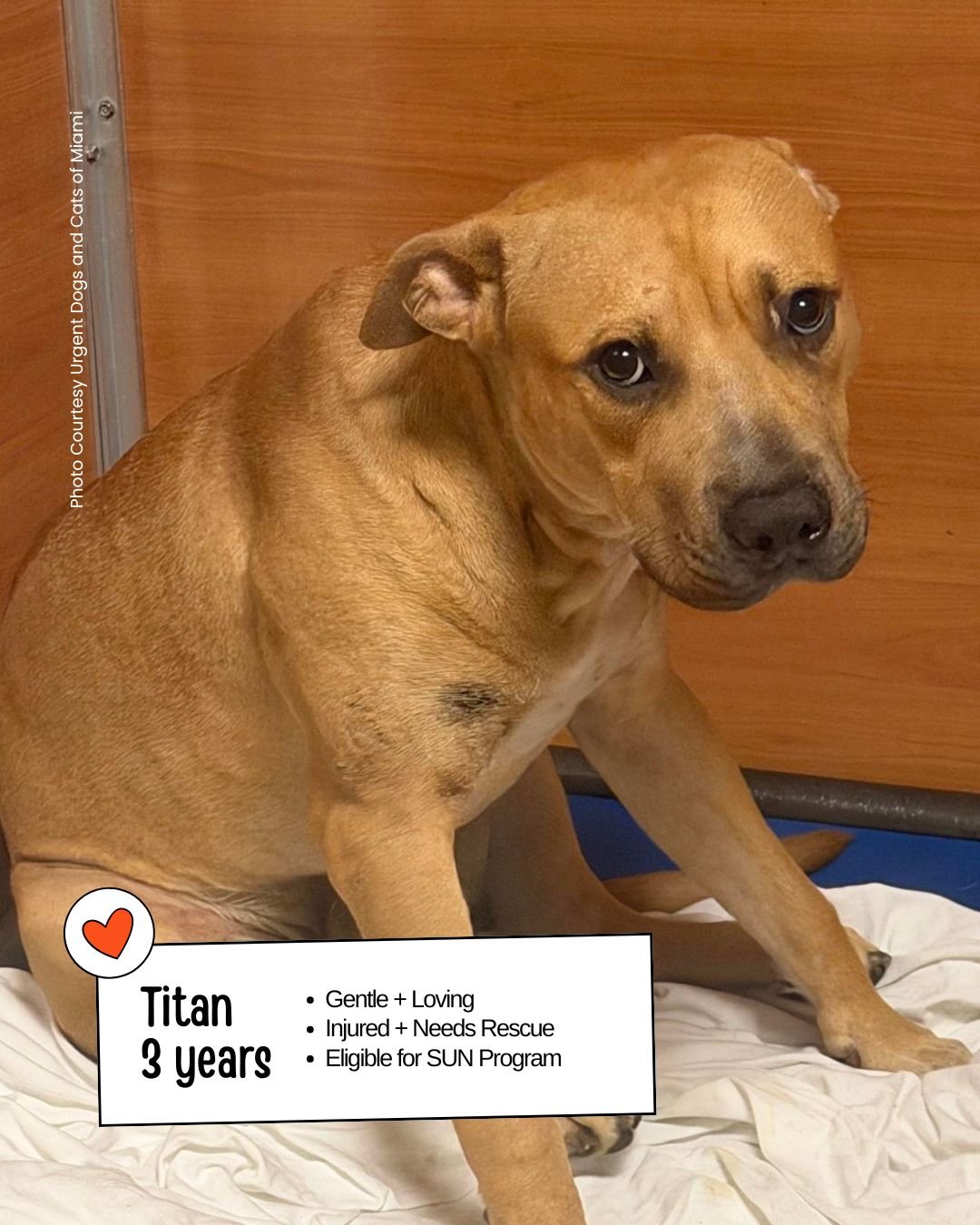
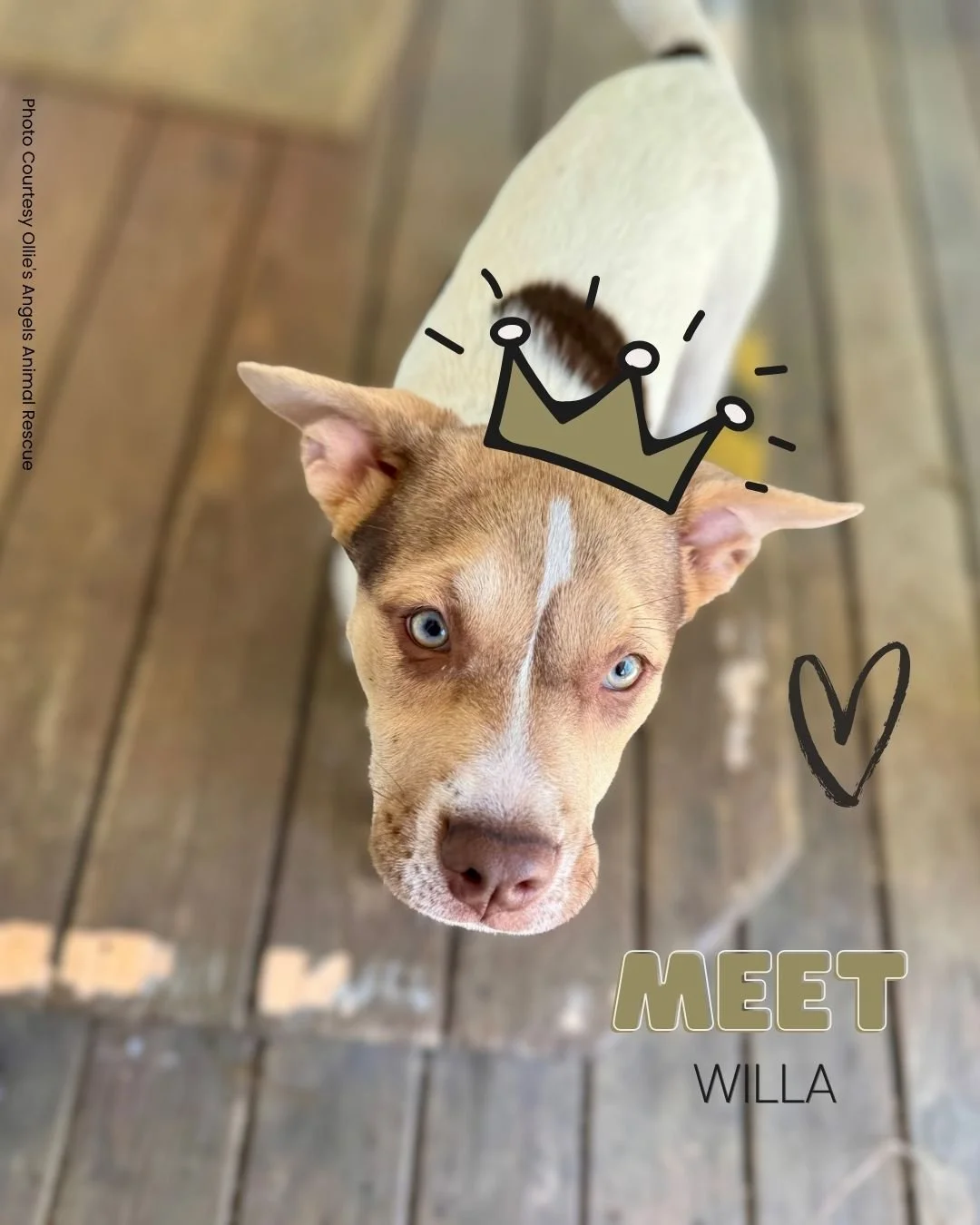
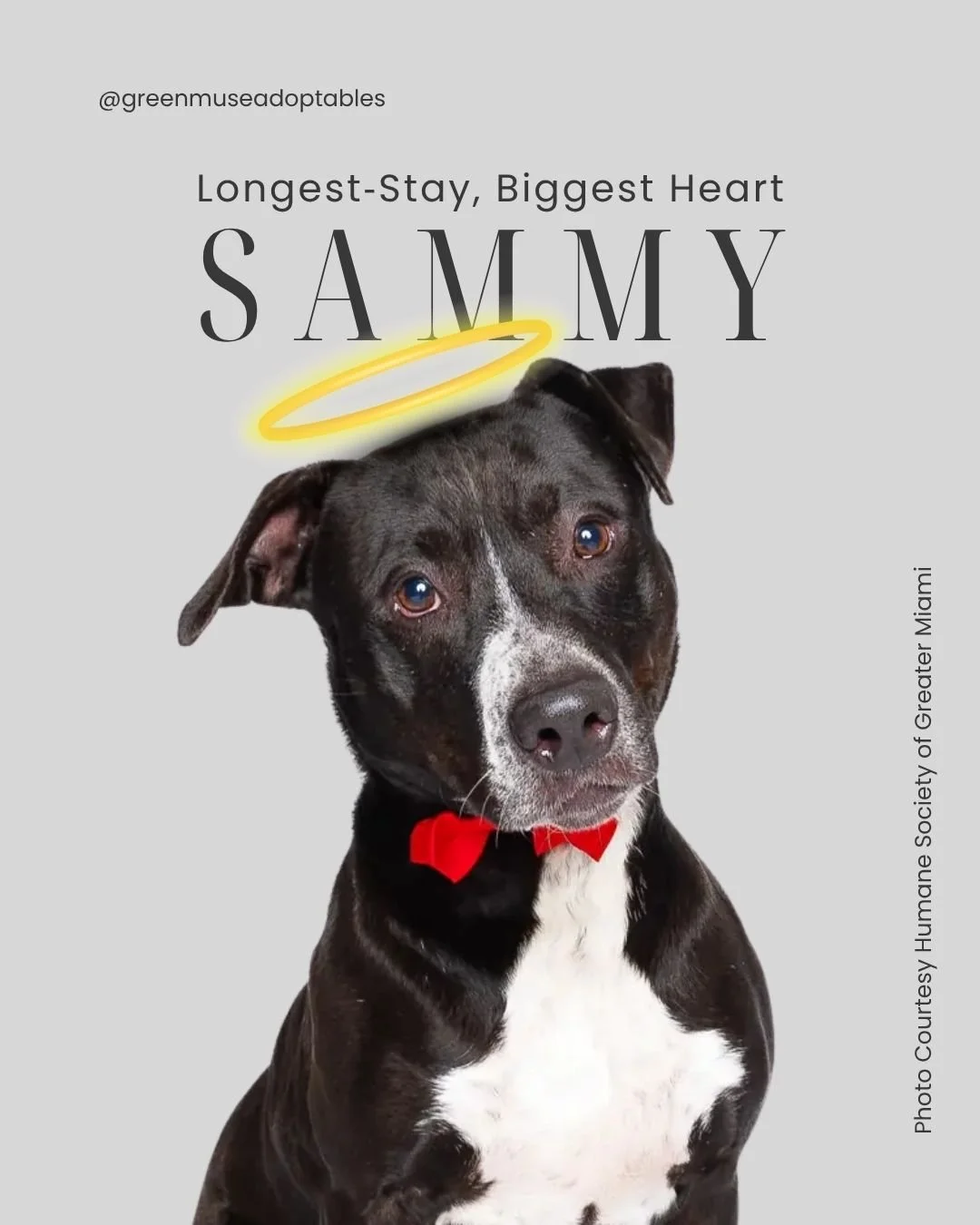
If you’re not ready to adopt but want to stay connected, you’re welcome to follow our Green Muse Adoptables page on Instagram. We share verified animals who are currently looking for homes through municipal shelters and rescue organizations.
Please note: All animals featured are publicly listed by their shelter or rescue. We are not affiliated with these organizations, and we do not handle adoption inquiries. For every animal shared, all communication must go directly to the shelter or rescue listed.
Even sharing one adoptable pet can help them reach the right home.