Part 2: How to Support Animal Rescues From Home
This piece continues the conversation started in The Reality of Shelter Overcrowding in the U.S. (And How You Can Help From Home). With shelters facing record intake numbers, limited staffing, and shrinking resources, community support has become more important than ever. But meaningful impact isn’t limited to adopting or fostering.
This second part expands on that idea by breaking down practical, sustainable ways anyone can help from home—no matter their schedule, space, or budget. From boosting visibility for overlooked animals to supporting shelters through digital advocacy, small actions can collectively reduce overcrowding and improve outcomes for animals in need.
It’s a guide designed to empower readers with realistic, accessible steps that make a measurable difference, even from afar.
Animal rescues and shelters across the country are operating under immense and ongoing pressure. Rising intake numbers, limited staffing, and shrinking budgets mean that even the most dedicated organizations are stretched thin. While adoptions remain a vital part of the solution, they’re only one piece of a much larger puzzle.
What often gets overlooked is how powerful, consistent, at‑home support can be. When individuals contribute in small, sustainable ways—whether through digital advocacy, micro‑donations, or community education—they help create a ripple effect that strengthens the entire rescue ecosystem. This kind of steady, community‑driven involvement gives shelters the breathing room they need to focus on lifesaving work.
This section highlights seven meaningful ways to support animal rescues without adopting, fostering, or stretching beyond your capacity. Each idea is designed to be accessible, realistic, and rooted in compassion—making it easier to integrate rescue support into your everyday life. It’s a gentle reminder that sustainable living isn’t just about eco‑friendly home essentials or low‑tox cleaning; it’s also about nurturing the well-being of the animals and communities around us.
1. Offer Your Skills (Not Just Your Time)
Animal rescues rely on far more than hands‑on animal care. Behind every adoption success story is a long list of administrative, creative, and operational tasks that keep a rescue running—many of which can be done entirely from home. This is where skills‑based volunteering becomes one of the most powerful, sustainable ways to support overcrowded shelters.
Most rescues operate with limited staff and tight budgets, which means specialized skills are often in short supply. If you have experience in areas like:
• Photography — helping animals look their best in adoption listings
• Writing — crafting bios, newsletters, or donor updates
• Graphic design — creating flyers, social posts, or fundraising materials
• Social media management — boosting visibility and engagement
• Accounting or bookkeeping — supporting a financial organization
• Web design or maintenance — keeping rescue websites updated and functional
• Grant writing — securing essential funding
• Event planning — coordinating adoption events or fundraisers
…your expertise can make a measurable difference.
Even dedicating one hour a month can help a rescue tell its story more effectively, raise critical funds, or stay organized behind the scenes. These small, consistent contributions help shelters operate more smoothly, reduce burnout among staff and volunteers, and ultimately improve outcomes for the animals who need them most.
This kind of support is not only accessible—it’s deeply impactful. By offering the skills you already have, you help rescues stretch their resources further and focus on what matters most: saving lives.
2. Support With Micro‑Donations or Supplies
You don’t need a large budget to make a meaningful difference for overcrowded shelters. Micro‑donations—as little as $2, $5, or $10—help rescues cover everyday essentials like food, vaccines, and cleaning supplies. When many people give small amounts, the impact grows quickly.
There are also several low‑cost ways to support animal rescues from home:
• Donate old towels or blankets for bedding, transport crates, and post‑bath comfort
• Send gently used pet supplies such as bowls, leashes, toys, and carriers
• Purchase a single item from a rescue’s wishlist, even if it’s just treats or a can of food
• Offer unopened food your own pet didn’t like, helping rescues feed animals without extra cost
These simple gestures fill real gaps in a rescue’s daily operations. Every donated item frees up funds for medical care, rehabilitation, and lifesaving programs—proving that small, consistent support can create big change.
3. Become a Digital Advocate
In today’s rescue landscape, digital advocacy is one of the most powerful—and most accessible—ways to support overcrowded shelters. With most adopters beginning their search online, visibility can make the difference between an animal being overlooked for months or finding a home within days. Every share, comment, and repost helps push rescue content into new circles, expanding reach far beyond what shelters can achieve on their own.
Here are simple, high‑impact ways to advocate online:
• Share adoptable animals on social media to help them reach potential adopters
• Boost fundraising posts so rescues can cover medical bills, food, and emergency care
• Help write or edit adoption listings, making animals more appealing and easier to match
• Highlight long‑stay animals who often get lost in the algorithm
• Create simple graphics, reels, or short videos to increase engagement
• Comment on rescue posts to improve visibility in social feeds
These actions may seem small, but they significantly increase a rescue’s online reach—especially when algorithms prioritize engagement. Digital advocacy costs nothing, takes only a few minutes, and can directly influence adoption rates, fundraising success, and community awareness.
In a world where attention is currency, your online support becomes a lifeline for animals waiting to be seen.
4. Help With Remote Administrative Tasks
Many animal rescues are powered almost entirely by volunteers—people who balance full‑time jobs, family responsibilities, and rescue work all at once. Because of this, administrative support is one of the biggest unmet needs in the rescue world, and it’s something you can easily help with from home.
Behind every adoption, transport, or fundraising campaign are dozens of small tasks that keep a rescue running smoothly. Offering even a little help with these responsibilities can free up volunteers to focus on urgent animal care.
Here are some high‑impact ways to support rescues remotely:
Answer emails from potential adopters, fosters, or donors
Organize adoption applications and help match families with the right pets
Update spreadsheets that track medical records, supply inventory, or intake information
Manage calendars for adoption events, vet appointments, or volunteer schedules
Coordinate transport logistics, ensuring animals get safely from shelters to fosters or adopters
These behind‑the‑scenes tasks may not be glamorous, but they are essential. When rescues have reliable administrative help, they can process applications faster, communicate more effectively, and ultimately save more animals.
Remote administrative volunteering is one of the most sustainable ways to support overcrowded shelters—proof that you don’t need to be on‑site to make a real, measurable impact.
5. Support Local TNR (Trap‑Neuter‑Return) Efforts
Trap‑Neuter‑Return—often called TNR—is one of the most effective and humane ways to support community cats. By safely trapping outdoor cats, spaying or neutering them, and returning them to their familiar environment, TNR programs help stabilize colony populations, reduce mating behaviors, and prevent the cycle of unwanted litters. It’s a long‑term, sustainable approach that protects both cats and local wildlife.
Even if you’re not able to trap cats yourself, you can still play a meaningful role in strengthening TNR efforts right from home.
Ways to Support TNR From Home
• Fund a single spay/neuter appointment. Most TNR programs operate on tight budgets. Covering the cost of even one appointment directly reduces future litters and helps caretakers stretch their resources further. Many clinics offer discounted community‑cat rates, making your contribution go a long way.
• Lend traps or equipment to volunteers. Humane traps are essential tools, and many volunteers don’t have enough to meet demand. If you own a trap—or are willing to purchase one for community use—lending it out can help teams complete more TNR cycles in less time.
• Help coordinate appointments and logistics. Behind every successful TNR project is someone managing schedules, clinic drop‑offs, recovery timelines, and transportation. Offering administrative help from home is a huge relief for field volunteers who are juggling multiple tasks at once.
• Spread awareness in your neighborhood. Many people don’t understand what TNR is or why it matters. Sharing educational posts, talking with neighbors, or posting flyers about local programs helps build community support and reduces resistance to outdoor cat management.
• Provide a safe recovery space. If you have a quiet bathroom, laundry room, or climate‑controlled garage, you may be able to host a recovering cat for 24–48 hours post‑surgery. This simple act gives volunteers more capacity and ensures cats heal safely before returning outdoors.
Why TNR Matters
TNR is one of the most impactful ways to improve community cat welfare. It:
Reduces shelter intake and overcrowding
Prevents the birth of thousands of kittens over time
Minimizes nuisance behaviors like yowling, spraying, and fighting
Supports healthier, more stable outdoor cat colonies
Creates a more compassionate, sustainable approach to community animal care
Supporting TNR—whether hands‑on or from home—helps build a future where fewer cats enter shelters, more colonies are cared for responsibly, and communities thrive alongside their feline neighbors.
6. Offer Emotional Support to Rescue Workers
Behind every rescued animal is a person quietly carrying the weight of that work. Rescue workers, foster coordinators, transport volunteers, and shelter staff often face long hours, heartbreaking cases, and constant pressure to do more with limited resources. Over time, this can lead to compassion fatigue, a form of emotional exhaustion common among caregivers.
If you’d like to explore gentle, sustainable ways to care for your own emotional well‑being, you may appreciate Free & Low‑Cost Ways to Cope with Stress Naturally and Sustainably — a grounding guide filled with accessible practices.
Offering support doesn’t require grand gestures. Small, consistent acts of kindness can help sustain the people who sustain so many animals.
Simple Ways to Support Rescue Workers From Home
• Send encouraging messages. A thoughtful text, email, or handwritten note can make a difficult day feel lighter. Acknowledge their effort, not just their outcomes—reminding them that their work matters helps counter burnout. To see how small gestures truly ripple outward, explore Small Acts, Big Impact: How Everyday People Are Helping Save Lives.
• Check in regularly. Rescue work can feel isolating. A quick “thinking of you” message or a weekly check‑in helps them feel seen and supported, especially during high‑intake seasons or after emotionally heavy cases. If you’re building more mindful, grounding routines at home, How to Live Mindfully and Embrace a More Intentional Lifestyle offers gentle inspiration.
• Offer to listen without trying to fix anything. Sometimes the most meaningful support is simply holding space. Let them share their experiences at their own pace. Listening with empathy—without offering solutions—can help them healthily process stress. For readers navigating their own emotional load, Coping on a Budget: Free Ways to Find Peace provides simple, sustainable practices that don’t require spending.
• Share mental‑well‑being resources. Many rescue workers don’t prioritize their own care. Gently sharing articles, mindfulness tools, or community support groups can help them build sustainable coping habits. This is especially helpful during kitten season, when burnout peaks.
• Celebrate their wins, big or small. Every adoption, every successful TNR cycle, every animal that receives medical care is a victory. Reflecting on these moments to them reinforces the impact of their work and helps balance the emotional load. If you’d like to uplift someone with thoughtful, feel‑good finds, explore Sustainable Items That Give Back to People, Animals, and the Planet — a curated collection of gifts that support meaningful causes.
Why Emotional Support Matters
Supporting rescue workers is an essential part of building a compassionate, sustainable animal‑welfare ecosystem. When caregivers feel valued and emotionally supported, they’re better able to:
Make thoughtful, grounded decisions
Continue their work without burning out
Maintain healthy boundaries
Stay connected to the joy and purpose behind rescue
A little kindness truly goes a long way. By caring for the people who care for animals, you help strengthen the entire rescue community — a message that echoes the heart of The Green Muse.
7. Build Community Awareness in Small, Steady Ways
Creating meaningful change in animal welfare doesn’t require a large platform or a massive audience. Some of the most powerful shifts happen through everyday conversations, small acts of advocacy, and consistent community engagement. When people understand the needs of local rescues, the realities of shelter overcrowding, and the importance of responsible pet care, they’re far more likely to get involved — and that ripple effect can transform entire neighborhoods.
Simple Ways to Build Community Awareness
• Talk to neighbors about local rescues. A friendly conversation can open the door to learning, empathy, and action. Share what you know about nearby shelters, TNR programs, or foster networks. Many people want to help but don’t know where to start, and your insight may be the nudge they need.
• Share flyers at community centers. Libraries, coffee shops, gyms, and local bulletin boards are perfect places to spread information about adoptable pets, low‑cost spay/neuter clinics, or upcoming rescue events. These small touchpoints help connect resources with the people who need them.
• Encourage friends to adopt or foster. Personal recommendations carry weight. If you know someone looking for a pet or wanting to make a difference, gently encourage them to consider adoption or fostering. Sharing your own positive experiences can make the idea feel more accessible.
• Host a small donation drive. You don’t need a big event to make an impact. A simple collection box at work, school, or a local business can gather essential supplies like food, blankets, or cleaning products. Even a small haul can make a meaningful difference for an overwhelmed rescue.
• Educate others about responsible pet care. Topics like spay/neuter, microchipping, proper containment, and enrichment are essential for reducing shelter intake long‑term. Sharing accurate, compassionate information helps prevent future crises and supports healthier, happier pets in your community.
Why Community Awareness Matters
Community awareness is the foundation of long‑term, sustainable change in animal welfare. When more people understand the challenges rescues face — from overcrowded shelters to limited resources — they’re more likely to step in, support, and advocate. Awareness leads to action, and action leads to healthier pets, stronger rescues, and more compassionate communities.
Small conversations truly add up. Every flyer, every shared post, every neighbor‑to‑neighbor chat helps build a culture where animals are valued, supported, and protected.
A Final Word: Sustainable Living and Rescue Support Go Hand in Hand
Sustainable living and animal‑rescue support may seem like separate conversations, but at their core, they’re rooted in the same values: care, intention, and small actions that accumulate over time. Whether you’re choosing low‑tox products for your home or helping a local rescue navigate a busy season, both choices reflect a commitment to living with awareness.
A sustainable home isn’t built through perfection or pressure — it’s shaped through alignment. The same is true for rescue support. You don’t need grand gestures or a large platform to make a difference. What matters most is consistency: the quiet, steady choices that honor the well‑being of animals, people, and the planet.
When we choose to live with awareness, compassion naturally follows. And when we extend that compassion outward — to our communities, to rescue workers, to the animals who share our world — we create a ripple effect that reaches far beyond our own routines. This is the heart of sustainable living: recognizing that every choice, no matter how small, contributes to a healthier, more humane ecosystem.
Spring is a beautiful reminder of renewal. A season that invites us to begin again, refresh gently, support quietly, and live with intention. It’s a time to reconnect with what matters, to simplify where we can, and to show up in ways that feel authentic and sustainable.
And above all, it’s a reminder that every small action, taken with care, truly matters — for the planet, for the animals who depend on us, and for the communities we’re building together.
Transparency Note
At The Green Muse, we believe ethical advocacy requires clarity and accountability. The following disclaimers explain how we approach rescue advocacy, educational content, and external resource links.
-
At The Green Muse, we use our platform to support animal welfare through education, awareness, and ethical advocacy. When we highlight rescues, shelters, or adoptable animals, we do so as independent advocates and volunteers. We are not financially compensated, contracted, or acting as official representatives of any organization unless explicitly stated.
Our role is to help amplify life-saving work, share accurate information when available, and encourage informed, compassionate action within the animal rescue community.
-
Links to external websites — including rescue pages, nonprofit organizations, donation platforms, and wishlists — are provided for informational and awareness purposes only. The Green Muse does not own, operate, or control these third-party sites and is not responsible for their content, availability, policies, or outcomes.
We encourage readers to conduct their own due diligence, ask questions directly, and support organizations in ways that feel aligned and responsible to them.
-
All content published on The Green Muse is intended for educational and awareness purposes. Articles discussing shelter systems, rescue terminology, animal welfare practices, or advocacy topics are not a substitute for professional advice, veterinary care, legal counsel, or direct communication with shelters or rescue organizations.
Situations involving animal health, behavior, intake decisions, or adoption requirements can vary widely. When considering adoption, fostering, transport, or medical care, always consult qualified professionals and the organizations directly involved.
-
We are committed to maintaining an ethical, accurate, and respectful Rescue Directory and educational resource library. While we research and verify information to the best of our ability, details can change quickly within shelter and rescue systems.
If you are affiliated with an organization listed — or notice outdated or incorrect information — we welcome your input. Community collaboration helps ensure animals, advocates, and organizations are represented with care, clarity, and integrity.
📩 Contact: hello@thegreenmuseblog.com
Want to Help Even If You Can’t Adopt Right Now?
If you’re not ready to adopt but want to stay connected, you can follow our Green Muse Adoptables Instagram page, where we share verified dogs and cats currently looking for loving homes.
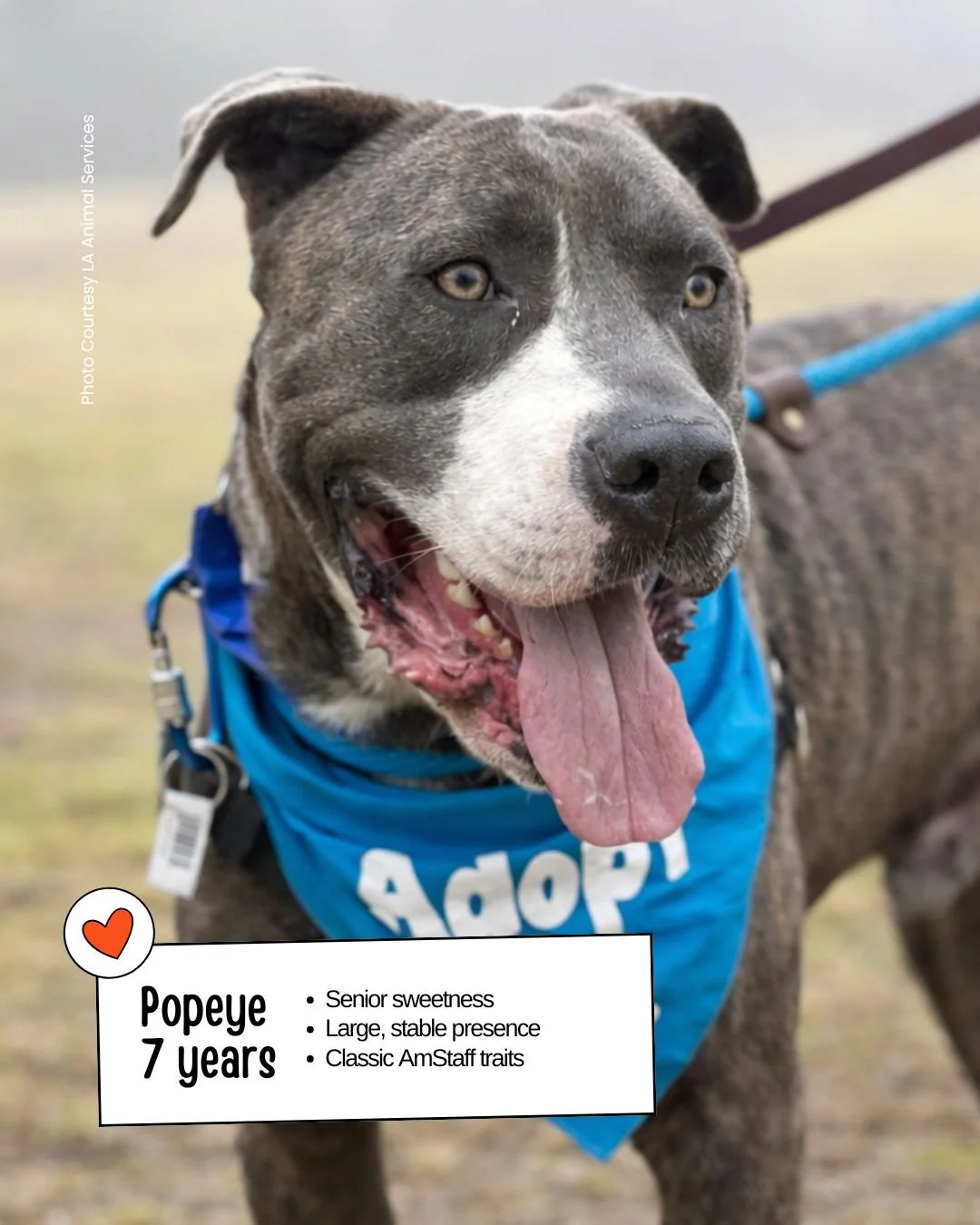
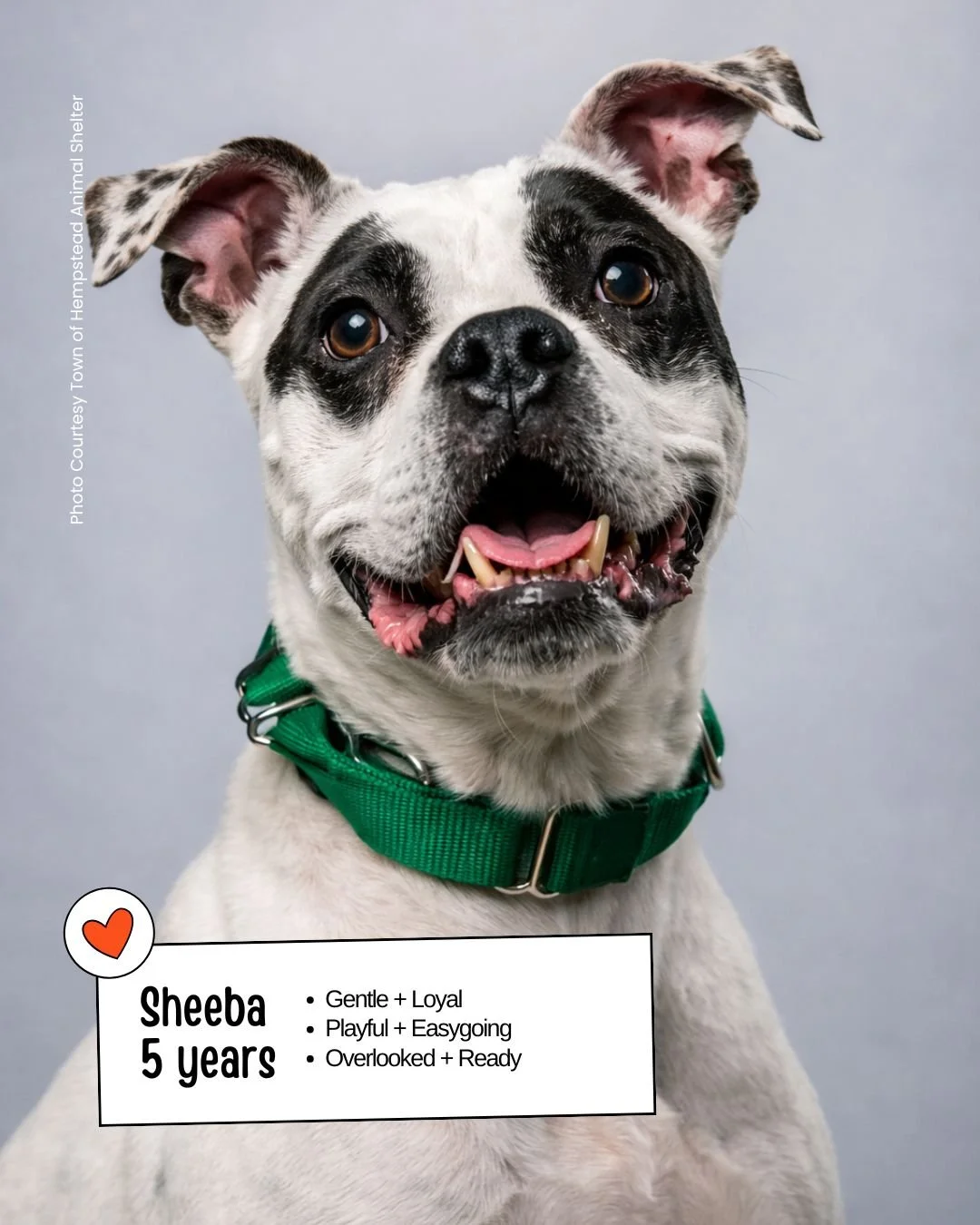
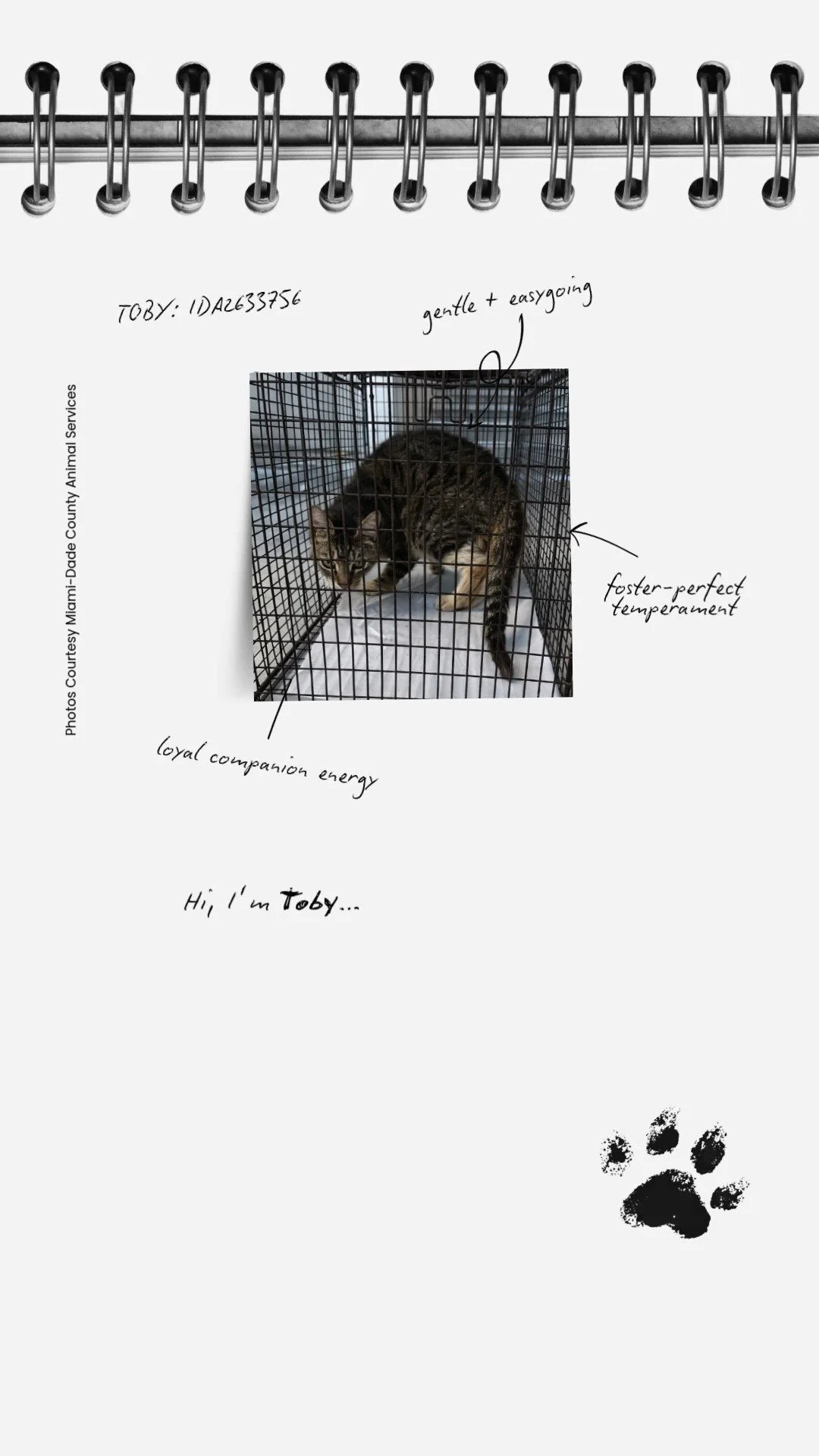
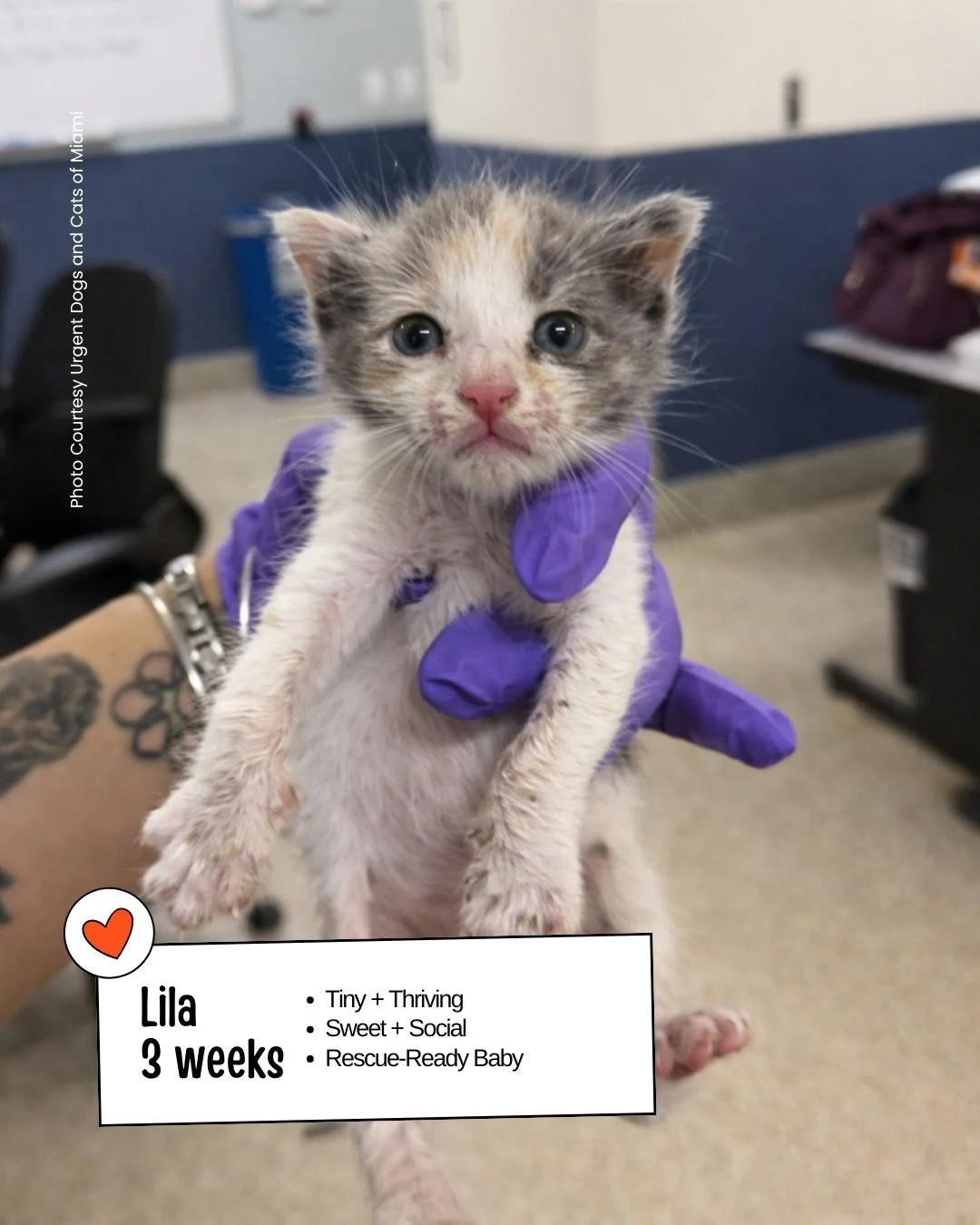
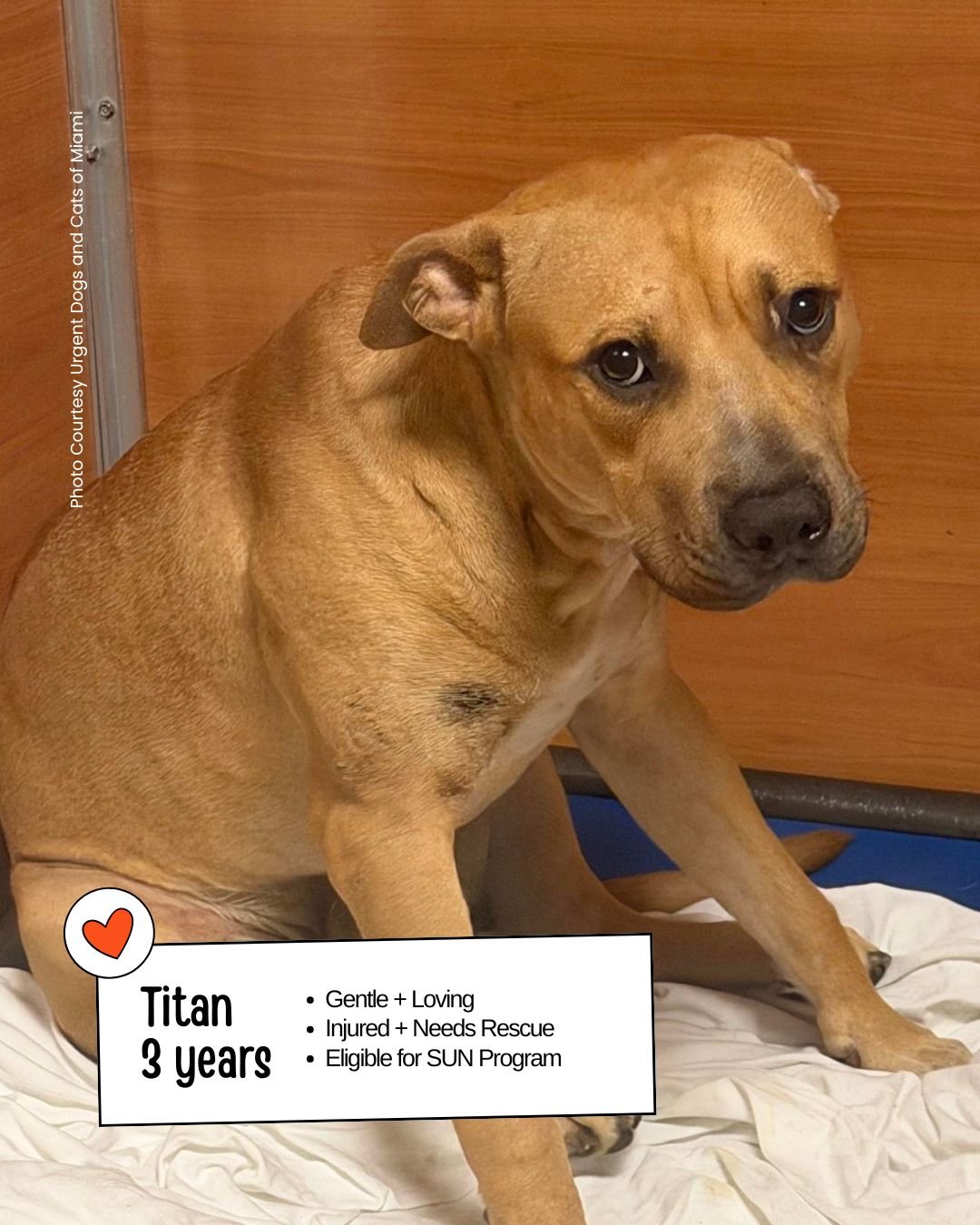




Even increasing visibility for one shelter pet can help them reach the right family. Sharing adoptable animals is one of the simplest, most impactful ways to support rescue work from home.
Looking to Adopt Responsibly? Our Adoptables page highlights animals publicly listed by shelters and rescue organizations. Each post includes the source so you can contact the shelter or rescue directly.
Disclaimer: Animals shared are publicly listed by shelters or rescues. We are not affiliated with these organizations, and we do not handle adoption applications. All inquiries must go directly to the shelter or rescue listed.
