What Happens After Rescue: The Hidden Costs of Saving Animals
Rescue doesn’t end when an animal leaves the shelter. This guide expands your rescue education by breaking down the real, often unseen costs of vet care, transport, foster support, rehabilitation, and adoption preparation—so you can better understand what it truly takes to give animals a safe, sustainable second chance.
What Happens After Rescue: The Hidden Costs of Saving Animals
When an animal leaves a shelter, it’s easy to feel like the hardest part is over. The “freedom ride” photos, the wagging tails, the relieved faces — these moments are worth celebrating. But in rescue work, that moment is only the beginning. What follows is a complex, often unseen chain of medical care, transport, foster support, rehabilitation, and adoption preparation. Each step requires time, coordination, and financial resources that most people never hear about.
Understanding what happens after rescue helps create a more informed, compassionate, and sustainable rescue community. It shows why rescues fundraise constantly, why fosters are so essential, and why donations and pledges make such a meaningful difference.
This guide is part of the Shelter 101 series, expanding on topics like:
Behind the Smiles: What It Really Takes to Rehabilitate a Rescue Dog
Part 1 — The Reality of Shelter Overcrowding in the U.S. (And How You Can Help From Home)
The goal here is simple: to offer a deep exhale. A clear, steady, transparent look at what truly happens after rescue — without urgency tactics, guilt, or pressure. Just grounded information that helps supporters understand the full journey an animal takes on their way to a safe, loving home.
This is rescue education designed to empower long‑term, sustainable support for the animals who need it most.
Why This Education Matters
Understanding what happens after an animal is rescued is one of the most powerful ways people can support the larger rescue ecosystem. When the hidden costs and behind‑the‑scenes work become visible, supporters can show up with greater clarity, intention, and compassion.
Rescue isn’t just about pulling an animal from a shelter. It’s about everything that follows: emergency vet care, transport, foster supplies, rehabilitation, and adoption preparation. Each step requires time, funding, and coordination. When readers understand this full picture, they’re better equipped to help in ways that are sustainable for both animals and the humans caring for them.
This kind of education strengthens the entire rescue community. People donate with a clearer sense of impact. Fosters step in with realistic expectations. Adopters approach the process with more empathy. And advocates share adoptable animals with a deeper understanding of what those posts truly represent.
Rescue work becomes more sustainable when supporters know what’s involved—not just emotionally, but logistically and financially. It reduces burnout, encourages long‑term involvement, and helps rescues focus on thoughtful, steady care rather than constant crisis response.
With that foundation in mind, let’s walk through what really happens after an animal is pulled from a shelter—and why each step matters.
1. Emergency Vet Care: The First Stop After Freedom
For most rescued animals, the journey to safety begins with an immediate trip to the veterinarian. Even when a shelter labels an animal “healthy,” that usually means “no obvious issues during intake.” Many conditions—especially those related to stress, overcrowding, or previous neglect—don’t show up until a full exam is done outside the shelter environment.
Emergency vet care is one of the largest and most unavoidable expenses in animal rescue. It’s also the step that determines whether an animal can safely move into a foster home, begin rehabilitation, or be prepared for adoption.
Common medical needs after rescue include:
Vaccines and boosters to protect against preventable diseases
Deworming for internal parasites
Flea and tick prevention, especially for animals coming from outdoor kennels
Heartworm tests and, if needed, long‑term treatment
Spay/neuter surgery to prevent future litters
Treatment for skin, ear, or respiratory infections
Dental cleanings or extractions, which are especially common in older animals
X‑rays, bloodwork, or diagnostic tests for underlying conditions
Emergency care for injuries, malnutrition, or untreated medical issues
These services add up quickly. Treating heartworm, for example, can cost hundreds to thousands of dollars and requires months of restricted activity. Dental disease—extremely common in shelter animals—can require extractions that cost far more than the eventual adoption fee. Even routine care becomes expensive when multiplied across dozens or hundreds of animals.
Why This Matters
Many people assume shelters cover medical costs before an animal is rescued. In reality, once a rescue organization commits to pulling an animal, they take on full financial responsibility from that moment forward. Shelters often lack the funding, staff, or medical resources to provide anything beyond basic intake care.
This is why donations, pledges, and community support are so essential. They help cover the immediate medical needs that make rescue possible in the first place—something explored more deeply in the companion article, “What Is a Pledge in Animal Rescue?”
Understanding the true cost of emergency vet care helps supporters see the full picture of rescue work. It turns a single “freedom ride” into a clearer, more compassionate understanding of what it takes to give an animal a safe, healthy start.
2. Transport From Shelters: Moving Animals to Safety
Transport is one of the most overlooked—and most essential—parts of animal rescue. Once an animal is pulled from a shelter, they rarely stays in the same city. In many cases, they must travel miles or even cross state lines before they reach a safe place to land.
Transport is the bridge between “saved” and “safe.” And it comes with real logistical and financial costs.
Where animals are transported after rescue
Most rescued animals need to be moved to one or more of the following:
Foster homes where they can decompress and receive daily care
Partner rescues with available space or specialized support
Veterinary clinics for immediate medical treatment
Adoption events to increase visibility
Out‑of‑state shelters with higher adoption rates or more resources
Every destination requires planning, coordination, and safe handling—especially for animals who are stressed, sick, or unfamiliar with travel.
Common transport expenses
Even the simplest transport involves multiple moving parts. Costs may include:
Gas and mileage, especially for long‑distance drives
Crates and carriers to keep animals secure
Health certificates, which are legally required for interstate travel
Overnight boarding when travel spans multiple days
Volunteer coordination, including scheduling and communication
Professional transport services for large groups or long routes
Many transports require several “legs,” with different volunteers driving different segments. A single dog might travel through three cities and four vehicles before reaching a foster home. Multiply that by dozens of animals, and the scale becomes clear.
Why this matters
Transport is often the difference between life and death for animals in overcrowded shelters. Many shelters don’t have the space or resources to keep animals long enough to find adopters locally. Moving them to safety—whether across town or across the country—is what gives them a real chance at survival.
Understanding the logistics behind transport helps supporters see the full scope of rescue work. It highlights why rescues fundraise, why volunteers are so essential, and why every share, donation, or pledge helps keep animals moving toward safety.
Transport isn’t just a ride. It’s a lifeline.
3. Foster Homes and Supplies: The Heart of Rescue Work
Foster homes are the foundation of animal rescue. Without them, most animals have nowhere to go after leaving the shelter. A foster home provides safety, stability, and the first real chance for an animal to decompress — often the first time they’ve experienced a quiet room, a soft bed, or consistent care.
But fostering, while deeply rewarding, isn’t free. Every animal needs daily supplies, ongoing support, and a safe environment to begin healing.
What foster families typically provide
Most rescued animals arrive with very little. To care for them safely, fosters often need:
Food and treats appropriate for age, size, and medical needs
Bowls for food and water
Crates or carriers for safe transport and rest
Litter and litter boxes for cats
Leashes, harnesses, and collars for dogs
Toys and enrichment items to support mental stimulation
Bedding and blankets for comfort
Cleaning supplies for accidents, shedding, and general messes
Medications such as antibiotics, dewormers, or preventatives
Some rescues can supply everything a foster needs. Others, especially smaller or volunteer‑run organizations, rely on foster families to cover some basics when budgets are stretched thin. This is one of the many hidden costs of rescue work that the public rarely sees.
Creating a safe and sustainable home for foster animals
Many foster families want to create a home environment that’s not only safe for animals but also aligned with their values. This is where sustainable living naturally intersects with rescue work.
A foster home can be both animal‑friendly and environmentally conscious by using:
Low‑tox cleaning products that are safe for pets and reduce chemical exposure
Eco‑friendly home essentials like reusable cloths, biodegradable waste bags, or durable food bowls
Mindful routines that reduce waste and create a calmer, more predictable environment for animals adjusting to home life
These choices support both the well-being of the foster animal and the health of the home — a meaningful connection for readers who already prioritize sustainable living.
Why this matters
Fostering is one of the most generous acts in animal rescue, but it’s also a real commitment. When potential fosters understand what’s involved — the supplies, the time, the emotional investment — they’re more likely to step in confidently and stay involved long‑term.
Clear education reduces burnout, strengthens the foster network, and helps create a more sustainable rescue ecosystem. When foster families feel prepared and supported, animals receive better care, rescues can save more lives, and the entire community benefits.
Foster homes truly are the heart of rescue work — and understanding their role is essential to understanding the full journey of every rescued animal.
4. Rehabilitation and Training: Healing Takes Time
Once an animal is safe in a foster home, the next phase of rescue begins: rehabilitation. This step is just as important as medical care, and in many cases, it’s the longest and most transformative part of the journey. Rehabilitation is where animals learn to trust, decompress, and adapt to life in a home — often for the very first time.



Why rehabilitation is essential
Many rescued animals arrive with experiences that shape how they behave and respond to the world. Some have lived outdoors or in overcrowded kennels. Others have experienced neglect, inconsistent care, or never had structure. Even animals with no known trauma often need time to adjust after the stress of shelter life.
Rehabilitation helps animals rebuild confidence, learn new skills, and feel safe enough to show their true personalities.
Common rehabilitation and training needs
Most rescued animals benefit from one or more of the following:
Socialization with people, other animals, and new environments
Confidence-building, especially for shy or shut‑down animals
Leash training for dogs who have never been walked
Crate training to create a safe, predictable resting space
House‑training, which can take time even for adult animals
Desensitization to sounds, movement, or unfamiliar situations
Professional behavior support for fear, reactivity, or anxiety
These skills aren’t about perfection — they’re about helping animals feel secure and ready for adoption.
The hidden cost: time
Rehabilitation is not a quick fix. It’s a slow, steady process that unfolds over weeks or months.
Animals need time to decompress, learn, and trust. Foster families often spend hours each day reinforcing routines, practicing training, and helping animals navigate new experiences. For some animals, progress is quick. For others, it’s measured in tiny steps — a tail wag, a quiet nap, a moment of curiosity.
This time investment is one of the most significant “costs” in rescue work, even though it doesn’t show up on a financial spreadsheet.
Why this matters
Understanding the rehabilitation process helps create a more compassionate rescue community.
Adopters become more patient and prepared when they know what early days at home may look like.
Donors are more willing to support long‑term cases when they understand the depth of care involved.
Fosters feel less alone when they realize that slow progress is normal — and that their work is essential.
Rehabilitation is where rescued animals truly begin to heal. It’s where they learn that the world can be safe, predictable, and kind. And it’s one of the most meaningful investments a rescue can make in an animal’s future.
5. Adoption Preparation: Setting Animals Up for Success
Before an animal is ready to meet potential adopters, rescue organizations invest significant time and resources into preparing them for a safe, stable, and healthy future. Adoption isn’t just about finding a home — it’s about making sure each animal is truly ready to thrive once they get there.
Adoption preparation is the final phase of the rescue journey, and it brings together everything the animal has received so far: medical care, rehabilitation, structure, and support. This step ensures that adopters meet an animal who is healthy, identifiable, and set up for long‑term success.
What adoption preparation typically includes
Most animals go through a series of final checks and supportive steps before they’re listed for adoption:
Final vet exams to confirm they’re healthy and ready for placement
Microchipping so they can be identified if they’re ever lost
Spay/neuter confirmation, which is required by most rescues
Updated vaccines to protect them from preventable illnesses
Grooming, especially for animals who arrived matted, dirty, or stressed
Professional photos to help them stand out in adoption listings
Adoption counseling to match animals with the right families
Home checks to ensure the environment is safe and appropriate
Post‑adoption support, which helps new families navigate the transition
Each of these steps plays a role in reducing returns, improving adoption outcomes, and ensuring that animals move into homes where they can truly settle and thrive.
Why these steps matter
Adoption fees rarely cover the full cost of care — not even close. By the time an animal is ready for adoption, rescues have often invested hundreds or thousands of dollars in medical treatment, transport, supplies, and rehabilitation. Most organizations operate at a financial loss, relying on community support to bridge the gap.
This is why education around pledges, donations, and ongoing support is so important. When people understand the full journey an animal takes before adoption, they see how their contributions directly support lifesaving work. It also helps adopters appreciate the care and preparation that went into giving their new companion a fresh start.
Adoption preparation is more than a checklist. It’s the final act of care that ensures every rescued animal has the best possible chance at a stable, loving, and lasting home.
6. Why Donations and Pledges Matter
Every rescued animal represents a commitment — not just of time and care, but of financial responsibility. By the time an animal is ready for adoption, a rescue has already invested in emergency vet care, transport, foster supplies, rehabilitation, and adoption preparation. These costs add up quickly, and most organizations rely heavily on community support to continue their work.
This is where donations and pledges become essential.
What donations and pledges help cover
Community support fills the gap between what rescues can afford and what animals need. Contributions often go directly toward:
Emergency medical care, including surgeries, diagnostics, and medications
Transport costs, especially for animals moved from overcrowded shelters
Daily supplies like food, crates, litter, and enrichment
Training and behavioral support for animals who need extra guidance
Long‑term cases, such as seniors or animals recovering from trauma
Animals who are overlooked, harder to place, or require specialized care
These are the hidden costs that rarely appear in adoption fees but are essential to giving animals a real chance at a stable future.
Why pledges matter — especially in overcrowded shelters
Pledges play a unique role in rescue work. They act as a safety net, encouraging rescues to pull animals they might not otherwise be able to afford. This is especially important in high‑capacity or overcrowded shelters, where animals are at greater risk simply because space is limited.
A pledge can be the deciding factor that allows a rescue to say “yes.”
But it’s important to understand what a pledge actually is.
A pledge is not a guarantee of rescue
A pledge is a promise of financial support if a rescue steps up to save an animal, not a guarantee that the animal will be pulled. This distinction is often misunderstood, and it’s one of the most important parts of understanding how rescue funding actually works.
Pledges act as encouragement. They tell rescues, “If you take this animal, you won’t be alone in covering the costs.” But the decision to pull still depends on available foster homes, medical capacity, transport options, and overall resources.
Clear education around pledges helps supporters participate with confidence. When people understand what a pledge is — and what it isn’t — they can contribute in ways that strengthen the entire rescue ecosystem and create long‑term, sustainable impact for animals who need help most.
Why this matters
When people understand how pledges and donations work, they become more effective advocates. They know how their contributions are used, how rescues make decisions, and how to support animals in ways that create long‑term impact.
This kind of transparency strengthens the entire rescue ecosystem. It builds trust. It reduces confusion. And it helps rescues operate sustainably rather than in constant crisis mode.
7. Long‑Term Planning: What Pet Parents Should Keep in Mind
While this guide focuses on what rescues handle after pulling an animal, it’s equally important for adopters and supporters to understand the long‑term responsibilities that come with caring for a pet. Life changes (housing shifts, job transitions, travel, or even international relocation) can all impact an animal’s stability and well‑being.
If your long‑term plans include moving abroad, it’s important to understand the regulatory and financial steps involved in relocating with a pet. This guide on relocating to Europe with your pet offers a clear breakdown of requirements, logistics, and country‑specific rules: https://www.remitly.com/blog/immigration/moving-to-europe-with-pets/
Being prepared for these possibilities helps ensure that animals remain safe, supported, and with their families through every chapter of life.
Bringing It All Together: Rescue as a Sustainable Practice
Rescue work is emotional, rewarding, and deeply human, but it’s also logistical, expensive, and often invisible to the public. By understanding the hidden costs of vet care, transport, foster support, rehabilitation, and adoption preparation, supporters can engage with rescue work in a more grounded, sustainable way.
A sustainable rescue culture is one where:
People understand the full journey an animal takes
Donations are rooted in clarity and trust
Fosters feel supported and prepared
Adopters know what to expect
Rescues can operate without constant burnout
This is sustainable living in action: a community choosing long‑term care over quick fixes, compassion over convenience, and shared responsibility over exhaustion.
Want to Help Even If You Can’t Adopt Right Now?
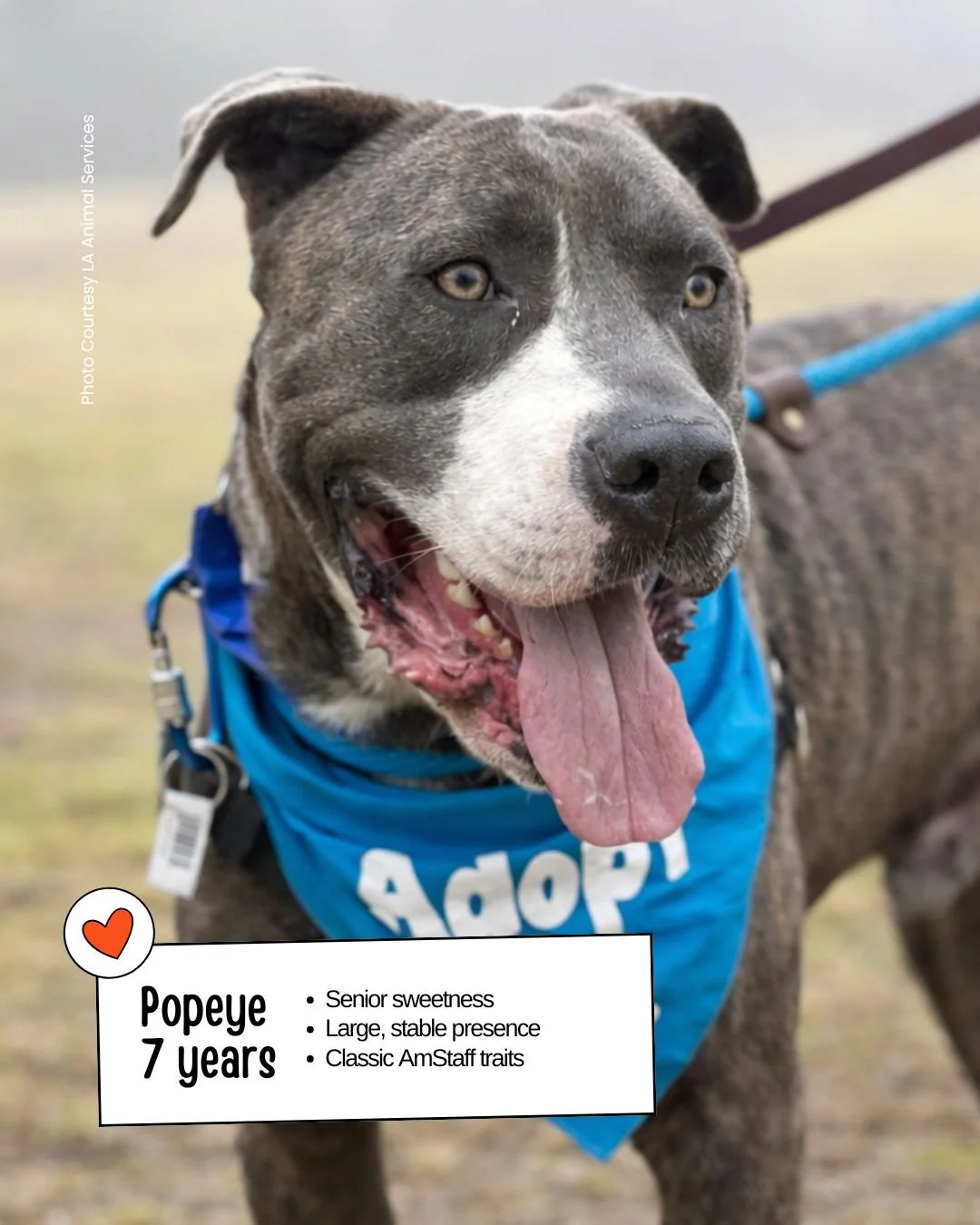
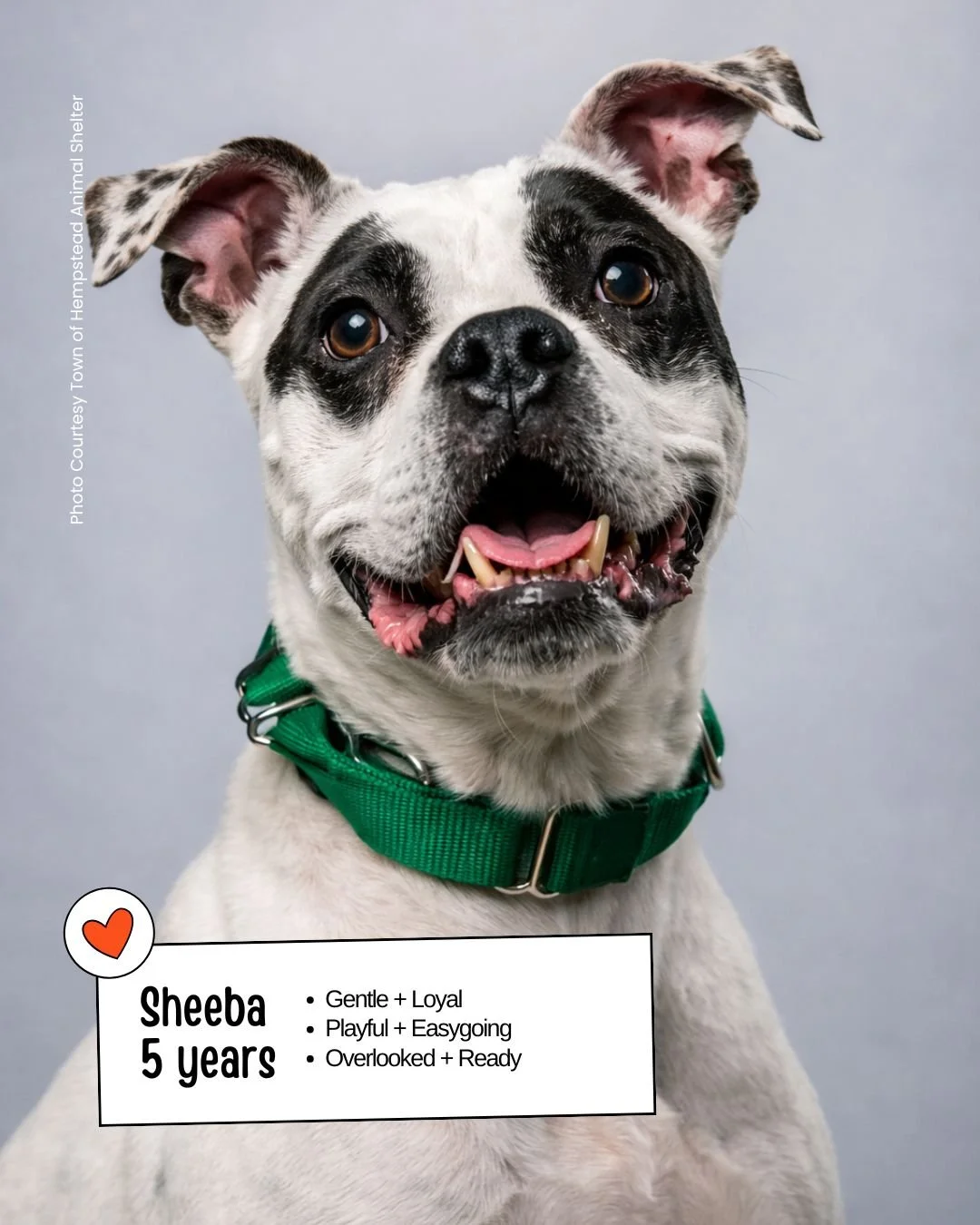
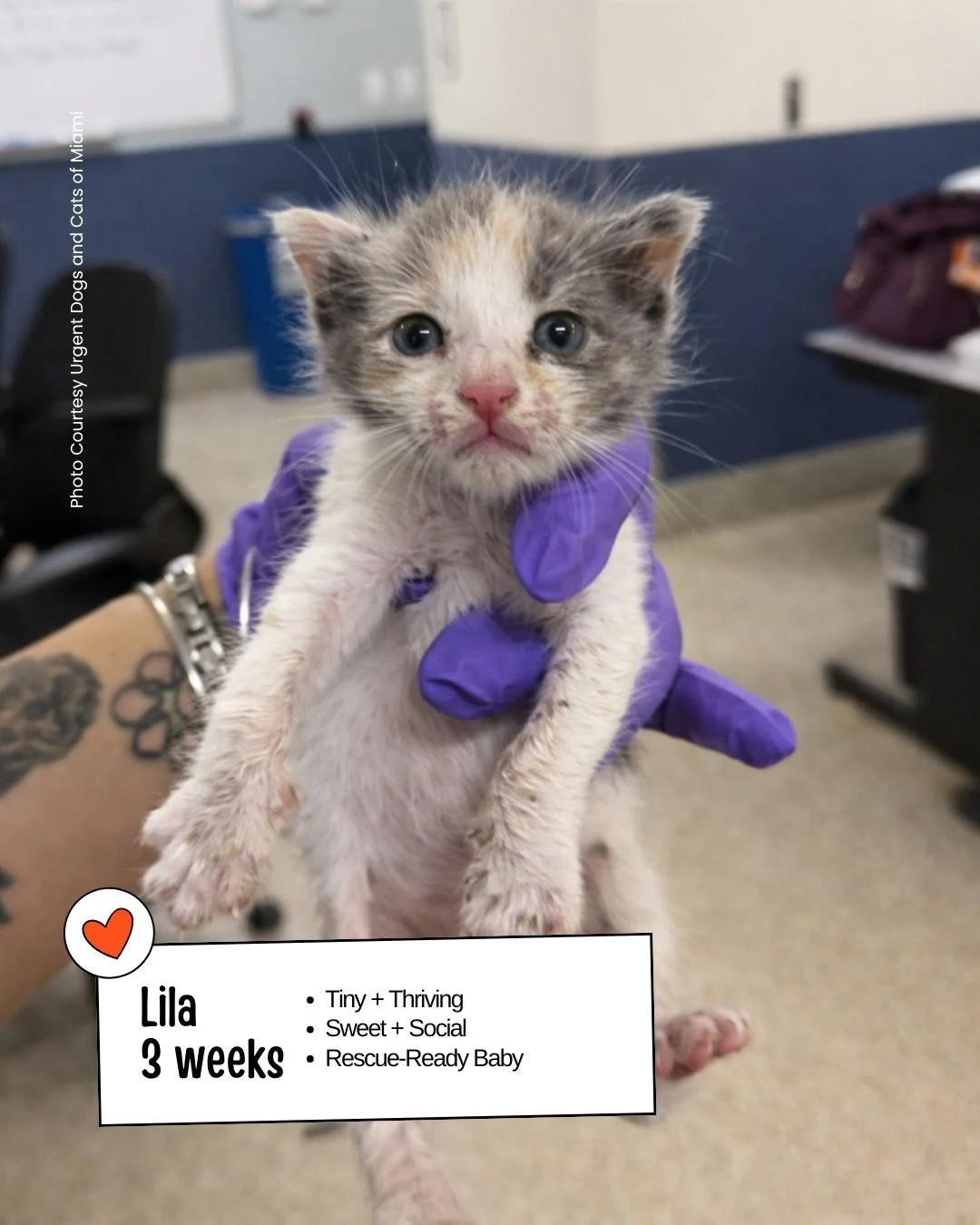
If you’re not ready to adopt but want to support rescue work in a simple, meaningful way, you can follow our Green Muse Adoptables page on Instagram. We share verified dogs and cats who are currently looking for homes, along with visibility‑boosting posts that help them reach the right families.
Looking to Adopt Responsibly?
Sharing adoptable animals online is one of the easiest ways to help reduce shelter overcrowding. Even one share can increase visibility for a dog or cat who might otherwise be overlooked. Our Adoptables page highlights animals that shelters and rescue organizations have posted publicly.
Disclaimer: Animals shared are publicly listed by shelters or rescues. We are not affiliated with these organizations, and we do not handle adoption applications. All inquiries must go directly to the listed shelter or rescue.





Transparency Note
At The Green Muse, we believe ethical advocacy requires clarity and accountability. The following disclaimers explain how we approach rescue advocacy, educational content, and external resource links.
-
At The Green Muse, we use our platform to support animal welfare through education, awareness, and ethical advocacy. When we highlight rescues, shelters, or adoptable animals, we do so as independent advocates and volunteers. We are not financially compensated, contracted, or acting as official representatives of any organization unless explicitly stated.
Our role is to help amplify life-saving work, share accurate information when available, and encourage informed, compassionate action within the animal rescue community.
-
Links to external websites — including rescue pages, nonprofit organizations, donation platforms, and wishlists — are provided for informational and awareness purposes only. The Green Muse does not own, operate, or control these third-party sites and is not responsible for their content, availability, policies, or outcomes.
We encourage readers to conduct their own due diligence, ask questions directly, and support organizations in ways that feel aligned and responsible to them.
-
All content published on The Green Muse is intended for educational and awareness purposes. Articles discussing shelter systems, rescue terminology, animal welfare practices, or advocacy topics are not a substitute for professional advice, veterinary care, legal counsel, or direct communication with shelters or rescue organizations.
Situations involving animal health, behavior, intake decisions, or adoption requirements can vary widely. When considering adoption, fostering, transport, or medical care, always consult qualified professionals and the organizations directly involved.
-
We are committed to maintaining an ethical, accurate, and respectful Rescue Directory and educational resource library. While we research and verify information to the best of our ability, details can change quickly within shelter and rescue systems.
If you are affiliated with an organization listed — or notice outdated or incorrect information — we welcome your input. Community collaboration helps ensure animals, advocates, and organizations are represented with care, clarity, and integrity.
📩 Contact: hello@thegreenmuseblog.com

A closer look at the moments when people, information, and offers of help fail to meet—and how local animal welfare partners can improve one connection at a time.