Open Intake vs Closed Intake Shelters: What’s the Difference?
Shelter numbers rarely tell the full story. This article breaks down intake models and explains how shelter systems—not just statistics—shape outcomes for animals and communities.
Not all animal shelters operate under the same model, even when their mission statements sound nearly identical. Understanding the difference between open intake and closed intake shelters is essential for interpreting shelter statistics, assessing urgency, and making informed decisions as an adopter, donor, advocate, or community member.
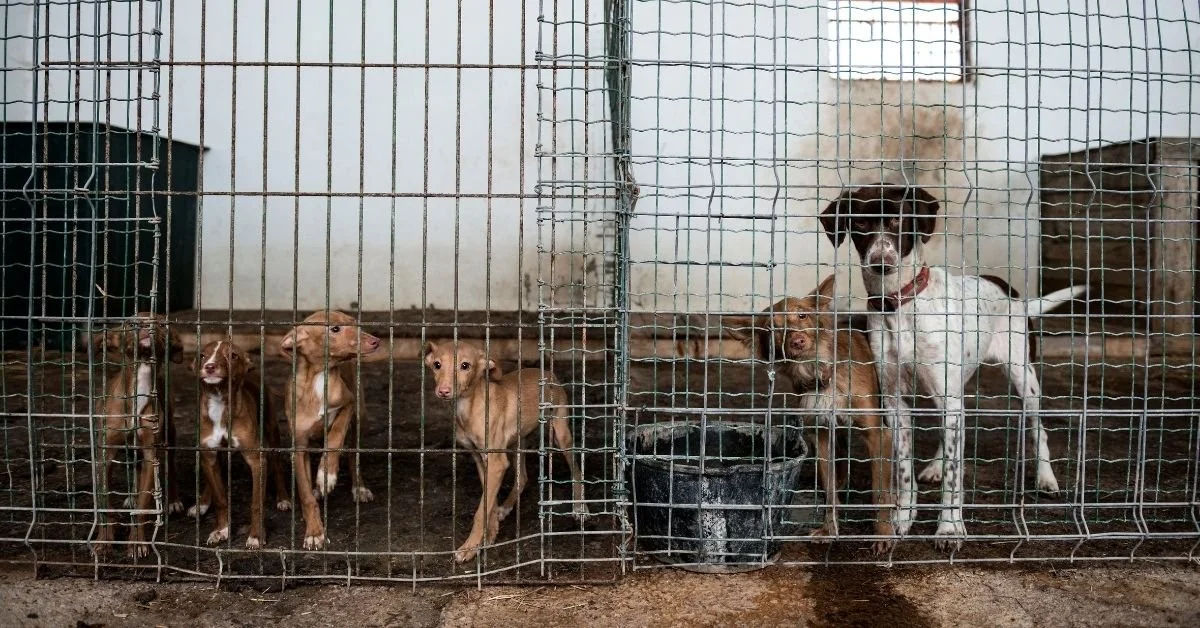
Open intake shelters are required (or publicly mandated) to accept all animals within a specific jurisdiction. This includes stray animals, owner surrenders, animals confiscated by animal control, injured or sick animals, and those with behavioral challenges. They cannot legally turn animals away based on space, age, health, or adoptability. Because of this responsibility, open intake shelters often face overcrowding, limited resources, and difficult, time-sensitive decisions. High intake numbers at these shelters reflect community-level issues such as overpopulation, lack of spay/neuter access, housing instability, and insufficient support systems, not a lack of care or effort.
Closed intake shelters, on the other hand, have the ability to control how many animals they take in and when. They may accept animals only when space becomes available, often through waitlists, appointments, transfers, or specific rescue partnerships. This flexibility allows closed intake shelters to maintain lower population levels, focus on longer rehabilitation timelines, and report higher live release rates. While this model can support excellent outcomes for the animals they accept, it also means they are not responsible for taking in every animal in crisis.
This distinction is critical when comparing shelter data. A shelter with a lower euthanasia rate or higher adoption percentage is not necessarily “better”, it may simply operate under a different intake model. Open intake shelters are often managing the most urgent, complex cases with fewer choices, while closed intake shelters work within controlled limits that reduce risk and pressure.
When we understand how intake models work, we shift the conversation from blame to context. We begin to see statistics not as moral judgments, but as reflections of structural realities, and that understanding helps us advocate more effectively for solutions that actually save lives.
1. What Is an Open Intake Shelter?
An open intake shelter (sometimes called an open admission shelter) is a facility that is legally and ethically required to accept any animal brought to them, regardless of circumstances. These shelters do not choose which animals to admit, they exist to serve the entire community.
Open intake shelters accept animals regardless of:
Available space (even when they are already full)
Medical condition (including injured, sick, senior, or special-needs animals)
Behavioral history (fearful, reactive, or unknown temperaments)
Owner circumstances (housing loss, financial hardship, emergencies, or abandonment)
Because of this role, open intake shelters are most often:
Municipal or county-run shelters
Animal control facilities
The first point of contact for stray, abandoned, confiscated, or surrendered animals
In many regions, these shelters cannot legally turn animals away. When animal control picks up a stray, responds to a cruelty case, or enforces local ordinances, the animals must go somewhere, and open intake shelters are that safety net.
This means open intake shelters absorb the full impact of larger systemic issues, such as:
Overpopulation and lack of spay/neuter access
Housing instability and evictions
Backyard breeding and puppy mills
Economic downturns and crisis situations
Natural disasters and emergency seizures
It’s important to understand that high intake numbers do not reflect poor care or lack of compassion. Instead, they reflect the reality that open intake shelters carry the responsibility of being the last resort, the place that says “yes” when no one else can.
Key takeaway: Open intake shelters exist to protect public safety and animal welfare at the community level. They take in animals others cannot, often with limited funding, space, and resources, making their role essential, complex, and deeply misunderstood.
2. What Is a Closed Intake Shelter?
A closed intake shelter (sometimes called a limited intake shelter) is an animal shelter that controls when and how many animals it accepts, rather than taking in every animal brought to its doors.
Unlike open intake shelters, closed intake facilities base intake decisions on their current capacity and available resources, which typically include:
Available space within the facility
Staffing levels and volunteer support
Funding and operational resources
Foster home availability
Medical and behavioral care capacity
Because of these limits, animals are not accepted on demand. Instead, intake usually happens through scheduled owner surrenders, transfers from other shelters, or rescue partnerships. Some closed intake shelters may also focus on specific animals, such as seniors, certain breeds, or animals with manageable medical needs.
This intake model allows shelters to avoid overcrowding, maintain consistent standards of care, and reduce the risk of disease, stress, and burnout among staff and volunteers. It also gives the organization more control over outcomes, often resulting in higher adoption rates and lower euthanasia rates within that specific shelter.
However, it’s important to understand that closed intake does not mean animals in need disappear. When shelters limit intake, animals may remain with owners longer, be redirected to other facilities, or (if no alternatives exist) end up in open intake shelters that are legally required to accept them.
Key takeaway:
Closed intake shelters prioritize sustainability and controlled care, but they operate within a larger shelter system. Their ability to say “yes” often depends on other shelters being able (or required) to say “yes” when resources are stretched.
3. Why This Difference Matters
Understanding the difference between open intake and closed intake shelters is essential for anyone who wants to engage in animal advocacy responsibly. These two models operate under very different conditions, and comparing them without context often leads to misunderstanding, misplaced criticism, and harm to the very systems animals rely on.
Open intake shelters are the safety net.
They are legally or municipally required to accept animals regardless of space, condition, temperament, or time of year. Because of this, they:
Experience overcrowding more frequently, especially during crises such as natural disasters, housing instability, or seasonal intake spikes
Operate under constant pressure, balancing limited resources with high intake numbers
Handle the most urgent and complex cases, including injured animals, bite cases, cruelty seizures, strays with no known history, and animals surrendered as a last resort
Are often misunderstood or criticized for outcomes that are shaped by volume and obligation, not lack of care or compassion
Open intake shelters do not choose which animals arrive, they respond to need in real time. Their role is public service, crisis response, and community protection.
Closed intake shelters, on the other hand, operate by design rather than mandate. They typically accept animals through appointments, transfers, or pre-approved intakes. This allows them to:
Plan intakes strategically based on available space, foster homes, and staffing
Focus resources on rehabilitation, training, and adoption readiness
Achieve higher placement or adoption rates due to controlled intake flow
Rely heavily on open intake shelters for transfers, especially when pulling animals at risk
Closed intake shelters play a vital role in lifesaving through specialization, targeted care, and long-term placements, but their work is made possible in large part because open intake shelters absorb the initial crisis load.
Why this distinction matters: When we judge shelters without understanding their intake model, we risk spreading misinformation, discouraging support where it’s most needed, and oversimplifying a deeply complex system. Both open and closed intake shelters are essential. They are not competitors, they are interconnected parts of the same ecosystem.
Real shelter reform and effective advocacy begin with literacy: knowing how the system works, why different models exist, and how each contributes to saving lives in different (but equally necessary) ways.
4. Common Misconceptions About Animal Shelters
Misunderstandings about how shelters operate often lead to misplaced blame, guilt, or oversimplified judgments. In reality, animal welfare work exists within a complex system shaped by funding, local laws, intake volume, and community support. Clarifying these common misconceptions helps build compassion (not division) and allows the public to support shelters more effectively.
“Closed-intake shelters care more about animals.”
Not necessarily. Closed-intake shelters, often private rescues or organizations that limit the number of animals they accept, operate with the ability to say no when they reach capacity. This flexibility can allow for more individualized care, longer stays, or selective intake.
However, this does not mean they care more. It simply means they operate under different structural conditions. Many closed-intake organizations rely heavily on foster networks, donations, and volunteers, which naturally limits how many animals they can responsibly support at one time.
“Open-intake shelters fail animals.”
This is one of the most damaging misconceptions. Open-intake shelters—often municipal or county facilities—are legally required to accept animals regardless of age, health, behavior, or space availability. They take in stray animals, owner surrenders, cruelty cases, injured animals, and animals that other organizations cannot accept.
Far from failing animals, open-intake shelters frequently carry the heaviest burden in the animal welfare system, often with limited funding and staff. When outcomes are difficult, it is usually a reflection of systemic issues such as overpopulation, lack of spay/neuter access, housing insecurity, and insufficient community resources—not a lack of care or effort.
“No-kill means no euthanasia.”
The term no-kill is widely misunderstood. In practice, it does not mean that euthanasia never occurs. Many organizations use a benchmark (often a 90% live-release rate), but definitions and policies vary by organization and region.
Euthanasia may still be used in cases of severe illness, untreatable injury, or extreme behavioral risk. Understanding this distinction is critical, as the label no-kill can unintentionally stigmatize open-intake shelters and oversimplify the realities of animal care.
Why this matters: When we move beyond labels and assumptions, we can focus on what truly helps animals, community education, spay/neuter access, foster programs, adoption support, and sustained funding. Shelter outcomes are not a reflection of compassion alone, but of the systems surrounding them.
Looking to Adopt Responsibly?
Sharing adoptable animals online is one of the simplest ways to reduce shelter overcrowding. Even one share can increase visibility for a dog or cat who might otherwise be overlooked.
If you’d like to meet the pets we’re currently helping amplify, visit our Green Muse Adoptables hub — a curated list of publicly posted animals who need visibility right now.
5. How the Two Systems Work Together
Animal welfare doesn’t operate through a single system, it functions as an interconnected ecosystem. Open intake shelters, closed intake shelters, and rescue organizations each play distinct roles, and understanding how they work together is essential to creating real, lasting solutions.
In many communities:
Open intake shelters are the front line.
They are legally required to accept animals regardless of space, health, age, or behavior. This includes stray animals, animals surrendered by owners, cruelty or neglect cases, animals seized by law enforcement, and emergency intakes during natural disasters or large-scale crises. Because they must say “yes” when no one else can, open intake shelters often operate under extreme pressure, with limited resources and constant overcrowding.
Closed intake shelters operate with more flexibility.
They choose which animals to admit based on available space, staffing, funding, and foster capacity. Many closed intake shelters focus on adoption-ready animals or those with a high likelihood of placement, allowing them to maintain lower population levels and provide more individualized care. Importantly, many closed intake shelters pull animals from open intake facilities, helping relieve overcrowding when capacity allows.
Rescue organizations bridge the gap between the two.
Rescues often pull animals from open intake shelters, especially those at risk due to space constraints, medical needs, or behavioral challenges. They place animals into foster homes, provide rehabilitation, fund medical treatment, and work toward long-term adoption outcomes. Rescues also frequently collaborate with closed intake shelters, transferring animals into adoption programs once they are ready.
This system only works when each part is understood and supported.
When open intake shelters are overwhelmed, it’s not a sign of failure, it’s often a sign of community-wide issues such as lack of affordable spay/neuter services, housing instability, or limited access to pet support resources. When closed intake shelters pause intake, it’s not because they “don’t care,” but because exceeding capacity can compromise animal welfare and staff sustainability. When rescues are unable to pull animals, it’s usually due to foster shortages or financial strain, not indifference.
Understanding how these systems work together shifts the conversation away from blame and toward solutions. It helps communities advocate for preventative care, responsible pet ownership, foster programs, and policy changes that reduce intake at the source, rather than placing unrealistic expectations on any single organization.
Education builds empathy. And empathy is what allows this ecosystem to function at all.
Shelter statistics alone rarely tell the full story. Numbers can inform, but without context, they can also mislead. Behind every intake count, euthanasia rate, or adoption metric is a system shaped by policy, funding, geography, and community access to resources.
When we understand how intake models work, open intake versus limited admission, municipal responsibility versus private rescue, we gain the clarity needed to advocate responsibly. This knowledge allows us to speak with accuracy instead of assumption, with compassion instead of blame, and with fairness toward both animals and the people working within deeply strained systems.
Education is not about choosing sides. It’s about understanding structure. And understanding structure is how meaningful change begins.
This article is part of the Shelter 101 series—an ongoing educational resource designed to break down shelter terminology, intake systems, and rescue practices so advocates, adopters, and supporters can engage with animal welfare issues informed, grounded, and empowered.





Because lasting change doesn’t come from reacting to statistics, it comes from understanding the systems behind them.
Transparency Note
At The Green Muse, we believe ethical advocacy requires clarity and accountability. The following disclaimers explain how we approach rescue advocacy, educational content, and external resource links.
-
At The Green Muse, we use our platform to support animal welfare through education, awareness, and ethical advocacy. When we highlight rescues, shelters, or adoptable animals, we do so as independent advocates and volunteers. We are not financially compensated, contracted, or acting as official representatives of any organization unless explicitly stated.
Our role is to help amplify life-saving work, share accurate information when available, and encourage informed, compassionate action within the animal rescue community.
-
Links to external websites — including rescue pages, nonprofit organizations, donation platforms, and wishlists — are provided for informational and awareness purposes only. The Green Muse does not own, operate, or control these third-party sites and is not responsible for their content, availability, policies, or outcomes.
We encourage readers to conduct their own due diligence, ask questions directly, and support organizations in ways that feel aligned and responsible to them.
-
All content published on The Green Muse is intended for educational and awareness purposes. Articles discussing shelter systems, rescue terminology, animal welfare practices, or advocacy topics are not a substitute for professional advice, veterinary care, legal counsel, or direct communication with shelters or rescue organizations.
Situations involving animal health, behavior, intake decisions, or adoption requirements can vary widely. When considering adoption, fostering, transport, or medical care, always consult qualified professionals and the organizations directly involved.
-
We are committed to maintaining an ethical, accurate, and respectful Rescue Directory and educational resource library. While we research and verify information to the best of our ability, details can change quickly within shelter and rescue systems.
If you are affiliated with an organization listed — or notice outdated or incorrect information — we welcome your input. Community collaboration helps ensure animals, advocates, and organizations are represented with care, clarity, and integrity.
📩 Contact: hello@thegreenmuseblog.com

The Pet Cottage provides lifelong, homestyle care for dogs and cats whose people can no longer care for them because of death, disability, or deployment. Learn how its sanctuary and Forever Guardian program create a lasting circle of care.