What “Foster-Based” Really Means in Animal Rescue
Foster-based rescues save lives without kennels or facilities. This guide explains how they truly work—and why understanding them matters.
Many animal rescues describe themselves as foster-based, but the term is often misunderstood or oversimplified.
A foster-based rescue does not operate out of a traditional shelter facility. Instead, animals are placed directly into temporary homes (called foster homes) where they live with volunteers until they are adopted. These rescues usually have no physical building, no kennels open to the public, and no guaranteed space. Every animal they save depends on an available foster stepping forward.
Because foster-based rescues rely on private homes, their capacity is limited not by funding alone, but by people. When fosters are full, rescues cannot take in new animals, even in urgent situations. This is why you’ll often see pleas like “we can only help if a foster commits” or “we’re full unless someone opens their home.”
Foster-based rescues also function differently behind the scenes. They coordinate veterinary care, food, supplies, transportation, and adoption screening while animals are spread across many locations. Volunteers often juggle intake requests, medical cases, adoption applications, and emergency placements all at once, without the infrastructure or staffing of a shelter.
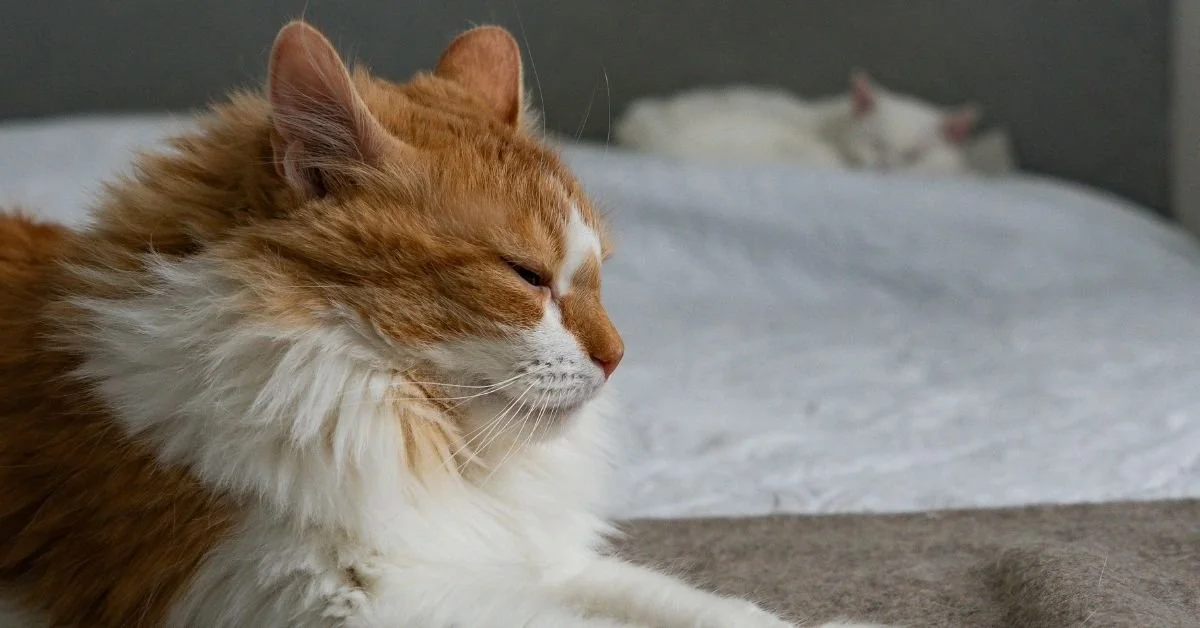
Community support is not optional for foster-based rescues, it is essential. These organizations depend on:
Volunteer fosters
Donations to cover vet bills and supplies
Transportation help
Adoption advocates and shares
Long-term supporters who understand that rescue is fluid, unpredictable, and often overwhelming
Understanding what foster-based truly means helps explain why rescues may say no, move slowly, or sound desperate during emergencies. It’s not a lack of care, it’s a system built entirely on shared responsibility, trust, and the willingness of everyday people to open their homes and hearts.
1. What a Foster-Based Rescue Is
A foster-based rescue is an animal rescue organization that does not operate a physical shelter or kennel facility. Instead of housing animals in one centralized location, these rescues rely entirely on temporary, home-based care provided by volunteers.
In a foster-based rescue model, animals live in:
Volunteer foster homes, where they experience a normal household environment
Short-term emergency placements, used when an animal needs immediate safety
Boarding facilities or veterinary clinics, only when no foster home is available or when medical care is required
This structure allows animals to avoid the stress and overcrowding often associated with traditional shelters. Foster homes provide daily human interaction, routine, and observation—making it easier to assess an animal’s personality, behavior, and specific needs.
Why Foster Availability Matters
In a foster-based rescue, every animal in care requires an open foster placement. Unlike shelters with physical space limits, foster-based rescues are limited by the number of active foster homes they have at any given time.
This means:
A rescue cannot take in a new animal unless a foster is available
Intake decisions are often made day-by-day, based on foster capacity
When fosters are full, even urgent rescue cases may have to wait
Because of this, foster-based rescues frequently ask for:
Emergency or temporary fosters
Short-term “bridge” fosters
Foster-to-adopt placements
Why This Model Exists
Foster-based rescues often form in response to:
Shelter overcrowding
High euthanasia rates
Lack of local resources for medical or behavioral cases
While this model saves lives, it also places heavy responsibility on volunteers and highlights why fostering is one of the most critical forms of support in animal rescue.
From the outside, foster-based rescues may look flexible, but in reality, their ability to help animals depends entirely on community participation and available homes.
2. Why Rescues Choose a Foster-Based Model
A foster-based rescue model places animals in temporary homes instead of traditional shelter facilities. This approach is intentionally chosen by many rescues because it prioritizes the animal’s emotional well-being, physical health, and long-term adoptability, especially in a time when shelters are overcrowded and under-resourced.
In foster-based rescue programs, animals are able to:
• Live in real home environments
Rather than spending weeks or months in kennels, animals experience everyday life, couches, routines, household sounds, and human connection. This helps them decompress from trauma, abandonment, or neglect and allows them to show their true personalities in a calm setting.
• Receive individualized care and attention
Foster caregivers can tailor care to each animal’s specific needs, whether that means medical recovery, behavioral support, socialization, or simply patience and consistency. This level of one-on-one care is often impossible in high-volume shelter environments.
• Avoid the stress of kennel life
Kennels can be loud, isolating, and overwhelming. Prolonged shelter stress can suppress immune systems, worsen anxiety, and lead to behavioral shutdown or reactivity. Foster homes reduce these stressors, allowing animals to heal both physically and emotionally.
• Be more accurately evaluated for adoption
Living in a home gives rescues valuable insight into an animal’s behavior, how they interact with people, children, other pets, routines, and boundaries. This leads to more honest adoption profiles and better-matched placements, reducing the risk of returns.
For many animals, especially seniors, puppies, medical cases, or those recovering from trauma, foster-based rescue isn’t just helpful—it’s life-changing. It creates space for healing, trust, and transformation, while giving rescues the information they need to place animals into homes where they can truly thrive.
3. The Limitations of Foster-Based Rescues
Foster-based rescues operate without a physical shelter. Instead, every animal is placed directly into a volunteer foster home, where they receive care until adoption. This model is deeply compassionate and often ideal for animals who struggle in kennel environments, but it also comes with very real limitations that many people don’t realize.
When there are no available foster homes:
Animals cannot be pulled from shelters.
Even if a rescue has the funds, medical resources, and adoption interest, they cannot remove an animal from a shelter without a safe place for that animal to go.Urgent and high-risk cases must be declined.
Dogs and cats facing euthanasia, medical emergencies, abuse cases, or overcrowded conditions may be passed over, not due to lack of care or willingness, but due to lack of space.Intake pauses entirely.
Without fosters, a foster-based rescue must stop intake altogether. This can last days, weeks, or even months, depending on volunteer availability.
This is why foster shortages can completely halt rescue operations—even when donations, supplies, and demand for adoption exist. Foster homes are not just helpful; they are the foundation of this rescue model. Without them, lifesaving work cannot move forward.
Understanding these limitations helps explain why rescues often post urgent pleas for fosters, temporarily close intake, or say “we wish we could help, but we can’t right now.” It’s not a lack of compassion, it’s a matter of capacity.

4. Common Misunderstandings About Foster-Based Rescues
Foster-based rescues are often misunderstood, which can lead to unrealistic expectations, misplaced criticism, or missed opportunities to support them effectively. Clearing up these myths helps people better understand how foster-based rescue systems actually work, and why they play such a vital role in animal welfare.
“Foster-based means small or informal.”
This is one of the most common misconceptions. While foster-based rescues do not operate out of a physical shelter, many are highly organized, legally registered nonprofit organizations with structured intake protocols, vetting processes, medical partnerships, and adoption guidelines.
Most foster-based rescues rely on:
Coordinators who manage intake, foster placement, and adoptions
Established relationships with veterinarians, trainers, and transport networks
Formal applications, home checks, contracts, and follow-up procedures
In many cases, foster-based rescues operate with the same (or even stricter) standards as brick-and-mortar shelters. The difference is not professionalism, but infrastructure.
“They can take animals anytime.”
Unlike open or closed intake shelters, foster-based rescues do not have guaranteed space. Every intake depends entirely on the availability of foster homes willing and able to temporarily care for an animal.
This means:
If no foster is available, the rescue cannot intake—no matter how urgent the case
Medical needs, behavioral concerns, or size can limit placement options
Foster shortages are one of the biggest bottlenecks in rescue work
This is why foster-based rescues may have to say no, pause intake, or ask for time—not because they don’t care, but because they cannot safely place an animal without a foster home lined up.
Fostering is always “long-term.”
Another widespread misunderstanding is that fostering requires a months-long or indefinite commitment. In reality, many fostering opportunities are short-term, emergency-based, or transitional.
Common foster roles include:
Emergency fosters (a few days to a few weeks)
Medical recovery fosters
Puppy or kitten fosters until adoption-ready age
Transport or temporary boarding fosters
Short-term fosters often make the difference between life and death, especially in urgent rescue situations. Even brief commitments help rescues move animals out of danger and into safer environments.
Why this matters: Understanding how foster-based rescues operate helps the public support them more effectively, whether through fostering, donating, volunteering, or simply sharing accurate information. Education reduces frustration on all sides and strengthens the rescue network as a whole.
5. How Fostering Supports the Entire Animal Welfare System
Fostering is often described as “helping one animal at a time,” but its impact reaches far beyond a single home. When someone opens their door to foster, they are supporting the entire animal welfare system in measurable, life-saving ways.
Shelters gain critical space.
Many shelters operate at or beyond capacity, especially during intake surges, natural disasters, or seasonal increases. When a foster steps in, it frees up physical space, staff time, and resources—allowing shelters to take in animals who might otherwise be turned away or placed on euthanasia lists due to overcrowding.
Rescues can pull urgent animals.
Rescue organizations often rely on foster homes to pull animals from high-risk situations, including overcrowded shelters, medical emergencies, cruelty cases, and animals facing imminent euthanasia. Without available fosters, rescues simply cannot say yes, no matter how urgent the case.
Animals receive individualized care.
A foster home offers what shelters often cannot: calm, consistency, and personal attention. Animals in foster care can decompress, recover from illness or surgery, gain weight, learn basic routines, and receive behavioral support. This environment is especially critical for puppies, kittens, seniors, medical cases, and animals who struggle in shelter settings.
Adoption outcomes improve.
Animals in foster homes are more likely to be successfully adopted. Foster caregivers provide valuable insight into an animal’s personality, needs, energy level, and compatibility with families, kids, or other pets. This leads to better-matched adoptions, fewer returns, and more stable, lifelong placements.
Fostering saves lives—directly and indirectly.
By creating space, enabling rescues, improving animal health, and strengthening adoptions, fostering becomes one of the most effective tools in animal welfare. One foster home can save multiple lives over time, not just the animal in their care, but those who benefit from the space and resources that foster creates.
Fostering is not just support, it is intervention. It is one of the most immediate, tangible ways an individual can change outcomes within an overwhelmed system.
Looking to Adopt Responsibly?
We share verified shelter listings and adoption networking updates on our dedicated page:
👉 Follow Green Muse Adoptables


Why Understanding Foster-Based Rescue Matters
Foster-based rescues exist because of trust, quiet, human trust that happens behind the scenes. Trust between animals who have already lost stability. Trust between rescues coordinating care without a physical shelter. And trust between everyday people who open their homes, sometimes on short notice, to keep animals safe.
Understanding what foster-based rescue truly means helps set realistic expectations for adopters, donors, and supporters alike. These rescues do not have kennels to visit or open hours to browse. Animals live in real homes, cared for by volunteers who juggle work, family, and rescue responsibilities. Availability, timelines, and communication can look different, not because of disorganization, but because foster-based systems are built on limited resources and deep commitment.
When people understand how foster-based rescues operate, they are more likely to:
Communicate with patience and clarity
Respect adoption processes and boundaries
Offer meaningful support beyond adoption, such as fostering, pledging, or sharing resources
Education strengthens rescue systems. Misunderstanding weakens them.
Throughout The Green Muse, you’ll find tools designed to support informed, compassionate action, from foster education guides, shelter literacy articles, and downloadable awareness resources, to verified rescue directories and ways to help without adopting. Each resource is created to help people engage responsibly, without pressure or guilt, only clarity.
This article is part of Shelter 101, an ongoing educational series dedicated to explaining the terms, systems, and realities of animal rescue—so more people can help in ways that truly make a difference.




Understanding is the first form of advocacy.
Transparency Note
At The Green Muse, we believe ethical advocacy requires clarity and accountability. The following disclaimers explain how we approach rescue advocacy, educational content, and external resource links.
-
At The Green Muse, we use our platform to support animal welfare through education, awareness, and ethical advocacy. When we highlight rescues, shelters, or adoptable animals, we do so as independent advocates and volunteers. We are not financially compensated, contracted, or acting as official representatives of any organization unless explicitly stated.
Our role is to help amplify life-saving work, share accurate information when available, and encourage informed, compassionate action within the animal rescue community.
-
Links to external websites — including rescue pages, nonprofit organizations, donation platforms, and wishlists — are provided for informational and awareness purposes only. The Green Muse does not own, operate, or control these third-party sites and is not responsible for their content, availability, policies, or outcomes.
We encourage readers to conduct their own due diligence, ask questions directly, and support organizations in ways that feel aligned and responsible to them.
-
All content published on The Green Muse is intended for educational and awareness purposes. Articles discussing shelter systems, rescue terminology, animal welfare practices, or advocacy topics are not a substitute for professional advice, veterinary care, legal counsel, or direct communication with shelters or rescue organizations.
Situations involving animal health, behavior, intake decisions, or adoption requirements can vary widely. When considering adoption, fostering, transport, or medical care, always consult qualified professionals and the organizations directly involved.
-
We are committed to maintaining an ethical, accurate, and respectful Rescue Directory and educational resource library. While we research and verify information to the best of our ability, details can change quickly within shelter and rescue systems.
If you are affiliated with an organization listed — or notice outdated or incorrect information — we welcome your input. Community collaboration helps ensure animals, advocates, and organizations are represented with care, clarity, and integrity.
📩 Contact: hello@thegreenmuseblog.com

When pet care becomes difficult to afford, finding reliable help can feel overwhelming. Explore veterinary assistance programs, affordable care resources, and practical steps for preparing applications so you can make informed decisions about your pet's needs.