A national proposal for stronger animal shelters, accessible veterinary care, and a more humane future for companion animals
An original animal welfare policy initiative developed by The Green Muse
Animal shelter overcrowding is not simply a matter of too many animals and too few adopters. It is connected to housing insecurity, financial hardship, limited veterinary access, insufficient shelter resources, and gaps in community support. Addressing these challenges requires more than encouraging adoption. It requires policies that help animals remain safely with their families, strengthen the organizations caring for them, and make humane solutions accessible across communities.
The National Animal Welfare and Shelter Support Act (NAWSSA) is a proposed federal policy framework developed by The Green Muse to address these interconnected challenges. It brings together shelter funding, veterinary workforce support, affordable preventive care, housing protections, responsible adoption, community fostering, and public accountability.
NAWSSA is an advocacy proposal, not an enacted federal law or a verified bill currently introduced in Congress. Its purpose is to provide a foundation for public discussion, policy development, collaboration with animal welfare professionals, and eventual legislative consideration.
Why the United States Needs a More Coordinated Animal Welfare Strategy
Every animal entering a shelter has a different story. Some have been found wandering without identification. Others have been surrendered because their families can no longer afford veterinary treatment, have lost housing, or are facing circumstances that make continued care difficult. Some animals arrive through cruelty investigations or emergency removals. Others are transferred between shelters in search of available space.
The challenges are different, but the consequences often converge: shelters must care for animals whose needs exceed the facilities, staffing, medical capacity, or funding available to them.
National shelter data collected by organizations such as Shelter Animals Count can help explain these pressures. However, shelter intake, outcomes, and euthanasia statistics require careful interpretation. An animal's euthanasia cannot automatically be attributed to lack of space, and changes in reported totals may reflect changes in participating organizations or data collection.
A responsible national strategy should therefore begin with better information and address the conditions that contribute to shelter intake before animals reach a crisis.
The pressures behind shelter overcrowding
Housing instability and restrictive pet policies. Families may face pet restrictions, weight limits, additional deposits, recurring pet rent, or difficulty finding housing that accommodates their animals. When housing options disappear, surrender can become a painful last resort.
The cost of veterinary care. Preventive appointments, vaccinations, sterilization, emergency treatment, and management of chronic conditions can become financially inaccessible. Delayed treatment may worsen an animal's health and increase the likelihood of relinquishment.
Limited shelter capacity. Physical kennel space is only one measure of capacity. Shelters also need sufficient trained personnel, veterinary services, behavioral support, isolation facilities, foster homes, and financial resources to provide appropriate care.
Barriers to adoption. Adoption fees are only one consideration. Housing restrictions, transportation, time, accessibility, and uncertainty about future care costs can prevent otherwise suitable households from adopting.
Uneven community resources. Some communities have established rescue networks, veterinary partnerships, and municipal funding. Others have limited services, particularly in rural areas and communities with fewer financial resources.
These pressures are interconnected. Increasing shelter capacity without reducing preventable intake may offer temporary relief without addressing the underlying causes.
The Vision Behind NAWSSA
The Green Muse proposes a national framework based on a straightforward principle: animal welfare improves when communities have the resources to prevent unnecessary suffering, support responsible caregiving, and respond humanely when animals need shelter.
The proposal has three central objectives.
First, prevent avoidable shelter intake by helping families access veterinary care, temporary assistance, and pet-inclusive housing.
Second, improve conditions and outcomes for animals already in shelters through dependable funding, qualified staffing, medical support, and responsible placement programs.
Third, establish measurable accountability so public investment can be evaluated through animal welfare outcomes, equitable access to services, and transparent reporting.
The proposal is intended to complement, rather than automatically replace, existing state and local animal welfare laws. Federal participation would need to be designed around constitutional authority, existing regulatory responsibilities, and the practical differences between municipal shelters, private nonprofits, and rescue organizations.
Understanding the Scale of the Challenge
The most recent completed annual data offers a clearer picture than the older 2023 figures previously used in this proposal.
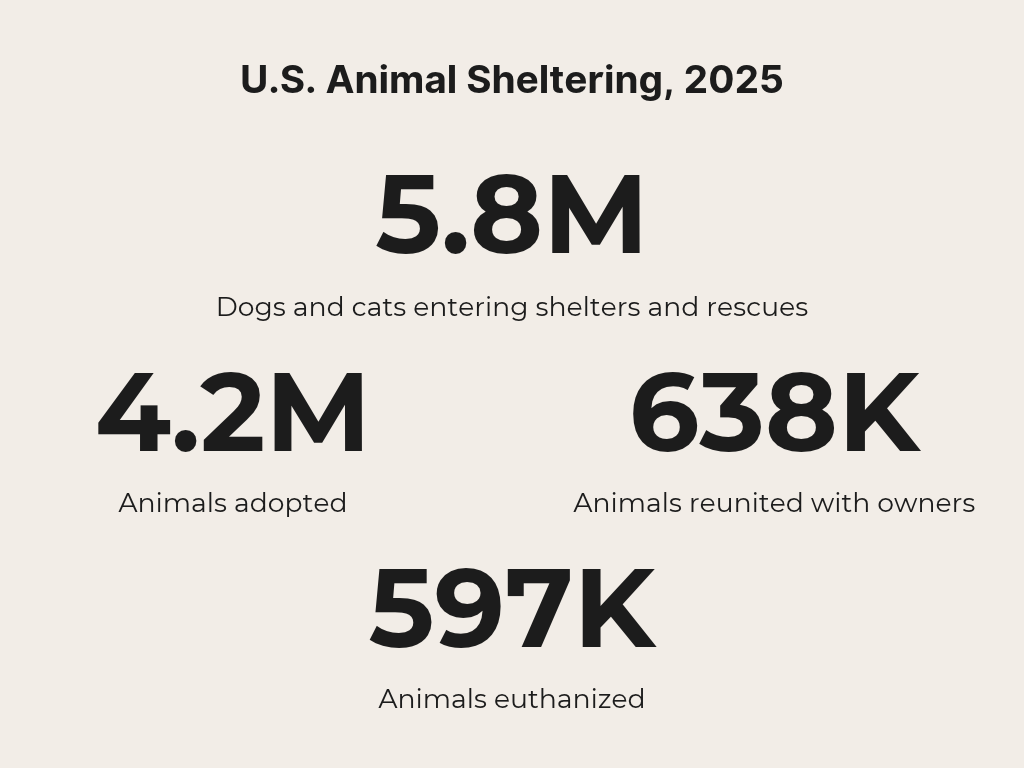
Sources: Shelter Animals Count 2025 Annual Data Report and ASPCA national shelter statistics. These are rounded national estimates, and the categories should not be added together as a single accounting of all animals.
These figures demonstrate substantial ongoing demand for shelter services, but they do not show that every shelter is experiencing the same conditions. Nor do they establish that all euthanasia is caused by overcrowding. Medical prognosis, serious behavioral safety concerns, and other circumstances must be distinguished from capacity-related decisions.
The 2025 report also found that intakes decreased slightly and adoptions increased modestly compared with 2024. The challenge is therefore not accurately described as an uninterrupted nationwide increase in intake or a universal decline in adoptions. Longer stays for certain animals, uneven resources, and persistent capacity pressures remain important concerns.
The Seven Policy Pillars of NAWSSA
1. Sustainable Shelter Funding and Humane Care Standards
Shelters cannot plan responsibly when essential operations depend on unpredictable donations, emergency fundraising, or short-term grants.
NAWSSA proposes a federal shelter-support grant program that would supplement existing public and charitable funding. Eligible organizations could apply for resources based on documented needs, service populations, and animal welfare outcomes.
Funding priorities would include safe and sanitary housing, ventilation and temperature control, disease prevention, appropriate enrichment, qualified staffing, behavioral services, emergency preparedness, and veterinary treatment.
Special consideration should be given to underserved communities and shelters managing unusually high intake relative to their available resources.
Rather than rewarding facilities solely for the number of animals housed or adopted, the program should assess whether animals receive appropriate care and whether organizations are operating within their humane capacity.
Proposed safeguards: Grant recipients would provide financial records, animal welfare information, and evidence of compliance with applicable laws. Smaller rescues should have simplified reporting options so administrative requirements do not prevent participation.
2. Veterinary Access and Workforce Development
Accessible veterinary care is essential to both shelter operations and keeping animals with their families.
NAWSSA proposes veterinary workforce incentives, including federally supported educational debt relief or service scholarships for qualified professionals working in eligible shelter medicine and underserved community programs.
The legislation could also support mobile veterinary clinics, regional partnerships, supervised clinical training, and community-based preventive care.
Services might include vaccinations, microchipping, sterilization when medically appropriate, parasite prevention, basic examinations, and referrals for more complex treatment.
Veterinary technicians and other appropriately credentialed professionals should be included in workforce planning, within their legally authorized scopes of practice.
Implementation consideration: Loan forgiveness, scholarships, and mobile clinics would require eligibility rules, cost estimates, and coordination with existing programs. A national workforce assessment should guide where funding would be most effective.
3. Keeping Pets and Families Together
Not every shelter surrender is preventable. However, some families may be able to keep their animals with modest, timely assistance.
NAWSSA proposes a Pet Family Preservation Program that would help eligible households access temporary pet food assistance, preventive veterinary care, short-term boarding during emergencies, and referrals to community services.
Participating shelters and nonprofits could offer counseling before surrender, provided that assistance is voluntary and does not delay urgent intake when an animal's welfare or a person's safety is at risk.
For example, a family facing a temporary hospitalization might need short-term pet care rather than permanent relinquishment. A household experiencing financial hardship might need help accessing a vaccination clinic or pet food pantry.
These services would be designed to respect the dignity and circumstances of families while protecting animal welfare.
4. Pet-Inclusive Housing and Housing Stability
Housing policy can influence whether a family can keep an animal, but pet-inclusive housing also raises legitimate questions about property management, insurance, damage, safety, and affordability.
NAWSSA proposes incentives for participating housing providers that voluntarily adopt reasonable pet-inclusive policies. Potential approaches include tax incentives, competitive housing grants, or support for property-management practices that reduce unnecessary restrictions.
The proposal would also encourage mediation services for pet-related landlord-tenant disputes and temporary assistance when families must relocate unexpectedly.
Policies should account for reasonable safety and property considerations while discouraging unnecessarily broad restrictions that prevent responsible households from securing housing.
Existing legal protections for service animals and certain assistance animals must remain distinct from ordinary pet policies.
Legislative consideration: Housing provisions would need careful legal review because landlord-tenant regulation is substantially governed by state and local law.
5. Responsible Adoption and Lifelong Support
Successful adoption should be measured by the quality and stability of the placement, not simply the number of animals leaving a shelter.
NAWSSA proposes adoption-support grants that participating organizations could use for initial veterinary services, microchipping, adoption counseling, and post-adoption assistance.
Financial support could be targeted toward households facing genuine access barriers rather than relying entirely on broad tax deductions, which may offer limited value to households with little taxable income.
Shelters should be encouraged to provide clear information about each animal's known medical history, behavior, care needs, and compatibility assessments, while acknowledging that behavior can change in a new environment.
Adoption programs should avoid unnecessary barriers without abandoning appropriate safety, welfare, or placement standards.
For families considering adoption, The Green Muse also offers Adoption Done Right: Ensuring a Forever Home for Shelter Pets, a companion resource on preparing for a lasting commitment.
6. Community Fostering, Volunteer Support, and Rescue Partnerships
Foster care can expand a shelter's ability to support animals beyond its physical facility, but foster programs need training, supplies, veterinary coordination, and ongoing supervision.
NAWSSA proposes grants for structured foster networks, volunteer training, emergency placement partnerships, and responsible transport programs.
Support should include supplies, access to medical services, behavioral guidance, and clear procedures for reporting concerns.
The framework could also support temporary foster arrangements for people experiencing medical emergencies, domestic crises, or short-term housing displacement, provided confidentiality and safety protections are established.
Digital volunteer programs, including sharing verified adoption profiles, could help shelters reach potential adopters without requiring every supporter to provide physical foster care.
7. National Data, Transparency, and Accountability
Public funding should produce information that helps communities understand whether programs are working.
NAWSSA proposes common reporting standards for federally funded programs, developed with shelter professionals, researchers, veterinarians, and animal welfare organizations.
Relevant indicators could include animal intake and outcomes, length of stay, veterinary service delivery, foster participation, return-to-owner outcomes, and the use of public funds.
Reporting should distinguish euthanasia from other non-live outcomes and avoid simplistic comparisons between organizations serving very different populations.
The legislation should also protect personal information and avoid placing unnecessary administrative burdens on small organizations.
Existing data systems, including those developed by Shelter Animals Count, should be evaluated before creating duplicative federal reporting infrastructure.
How NAWSSA Could Be Implemented
NAWSSA would require a clearly designated federal administrator, congressional authorization where necessary, and appropriated funding.
A proposed National Animal Welfare Commission could provide independent advice, evaluate program outcomes, and publish public recommendations. Its membership should include municipal shelter professionals, private rescues, shelter veterinarians, veterinary technicians, animal welfare researchers, community organizations, and representatives of underserved areas.
The commission should also include expertise in public finance, housing policy, and animal welfare law.
A practical implementation framework could follow four phases.
Phase I — Assessment and consultation
Establish baseline conditions, identify service gaps, consult affected communities, and prepare legal and fiscal analyses.
Phase II — Regional pilot programs
Test selected interventions in communities with different population sizes, shelter structures, and resource levels.
Phase III — Independent evaluation
Examine costs, animal welfare outcomes, service accessibility, unintended consequences, and operational feasibility.
Phase IV — Responsible expansion
Expand successful programs through appropriations and administrative rules, with regular public reporting and opportunities for revision.
This phased approach would allow policymakers to learn from actual implementation rather than assuming that every proposed intervention will work equally well in every community.
Measuring Progress Beyond Adoption Numbers
A meaningful evaluation of NAWSSA should consider both animal outcomes and the conditions under which those outcomes occur.
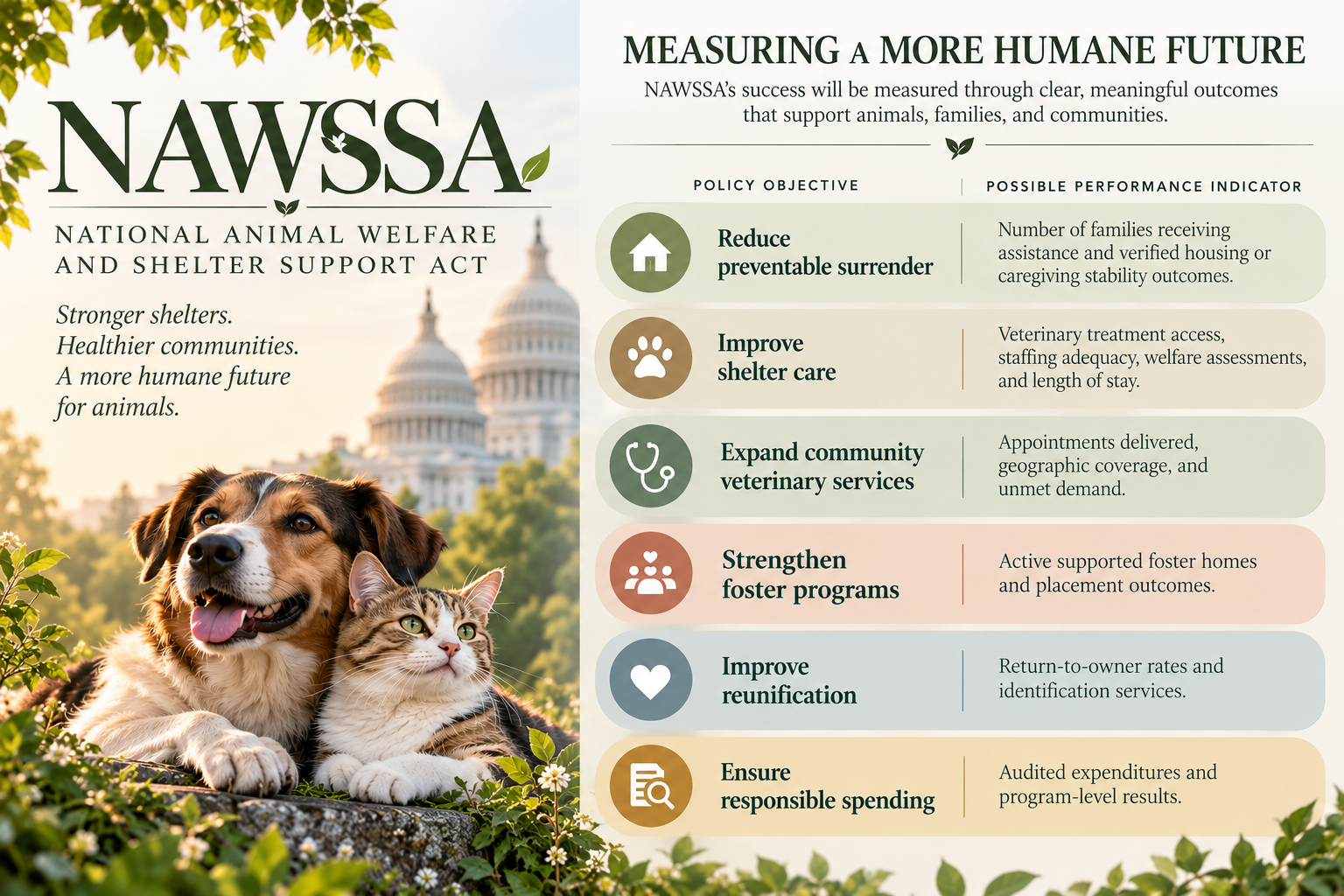
These indicators would require consistent definitions, reliable baseline data, and adjustment for differences between organizations. Higher adoption totals alone should not be treated as proof of better welfare.
Funding and Legislative Feasibility
A comprehensive proposal needs a credible financial structure.
NAWSSA could combine competitive grants, targeted formula-based funding, workforce incentives, and pilot-program appropriations. However, do not present any specific national budget or funding amount as established until a formal fiscal analysis is complete.
Before submission to lawmakers, the proposal should identify the responsible federal agencies, statutory authority, anticipated administrative costs, potential overlap with existing programs, and methods for evaluating cost-effectiveness.
Tax incentives would require separate analysis of federal revenue effects and distributional fairness.
Federal grants should supplement, not automatically replace, state, municipal, and philanthropic support. The proposal should also avoid imposing unfunded requirements on organizations that lack the resources to comply.
What NAWSSA Would Not Solve on Its Own
Legislation cannot guarantee that every animal will be adopted or that every community will have immediate access to veterinary services.
Shelter capacity depends on local circumstances. Veterinary workforce programs take time to develop. Housing incentives require participation from property owners. Community education does not eliminate financial hardship.
Animal welfare decisions can also involve difficult medical and behavioral judgments. A humane policy must protect animals from prolonged suffering while supporting transparent, professionally informed decisions.
NAWSSA should therefore be understood as a framework for improving systems, not a promise that legislation alone can eliminate shelter euthanasia or animal homelessness.
How the Public Can Support the NAWSSA Initiative
A proposal becomes more useful when it can be examined, questioned, improved, and discussed by the people who understand its consequences.
The Green Muse welcomes informed engagement from animal welfare professionals, shelter volunteers, community organizations, policymakers, and individuals who want stronger protections for companion animals.
Read and share the proposal
Sharing NAWSSA can introduce readers to issues that receive less attention than individual adoption stories, particularly the need for accessible veterinary services, housing stability, and long-term shelter funding.
When discussing the initiative, please identify it accurately as a proposed legislative framework developed by The Green Muse, rather than an existing federal law or an officially sponsored congressional bill.
Contact elected representatives
Readers interested in federal animal welfare policy can contact their U.S. senators and House representative through the official Congressional directory.
Ask whether their offices are working on shelter funding, veterinary access, pet-inclusive housing, or animal welfare legislation. NAWSSA can be shared as a proposal for consideration, feedback, and potential future development.
A request for legislative consideration is different from asking a representative to vote for a bill that has already been introduced. Maintaining that distinction is important to the initiative's credibility.
Contribute professional knowledge
Shelter administrators, veterinarians, animal control professionals, rescue coordinators, housing specialists, and legal experts can identify practical concerns that might otherwise be overlooked.
Their experience can help determine which proposals are feasible, which need revision, and where existing programs could be strengthened instead of duplicated.
Support shelters and animals in your community
Legislative advocacy and direct assistance can complement each other.
Fostering through an established organization, volunteering, donating needed supplies, helping with transport, and sharing verified adoption information can support local animal welfare efforts while broader policy discussions continue.
Not everyone can adopt or foster, and those should never be presented as the only meaningful forms of support.
Green Muse Adoptables: Turning Awareness Into Practical Support
Through Green Muse Adoptables, The Green Muse helps increase visibility for publicly listed dogs and cats seeking homes, while encouraging readers to verify each animal's current availability and adoption requirements directly with the responsible shelter or rescue.
This work reflects one part of NAWSSA's broader vision: community participation should be accessible to people who want to help, including those who cannot adopt or foster themselves.
Readers can explore animals currently being featured through the Green Muse Adoptables hub.
Sharing an animal's profile may help introduce that animal to additional potential adopters, although increased visibility cannot guarantee an adoption. Accuracy, responsible messaging, and coordination with the shelter remain essential.
Questions About NAWSSA
-
No. NAWSSA is an independent legislative proposal developed by The Green Muse. It has not been established here as an introduced congressional bill, enacted statute, or government-administered program.
-
No. Its proposed grant programs and financial incentives would require legislative authorization, funding, and implementation before organizations could apply for assistance.
-
The intended framework is complementary. Its eventual relationship with federal, state, and local laws would need to be established through legal review and legislative drafting.
-
Eligibility has not yet been finalized. A future legislative draft would need to define qualifying organizations, compliance requirements, funding priorities, and appropriate safeguards.
-
NAWSSA is an original animal advocacy initiative of The Green Muse, developed through the research, vision, and direction of founder Silvia Diego, with AI-assisted research and drafting support.
We recognize that meaningful progress in animal welfare requires collaboration, experience, and a willingness to listen. While this proposal reflects our commitment to improving the lives of shelter animals, we also understand that some of the most valuable knowledge comes from those who work directly in animal shelters, rescue organizations, veterinary medicine, and animal welfare advocacy every day.
We have deep respect for the individuals and organizations who have dedicated years, sometimes decades, to this work. Their firsthand experience, professional knowledge, and understanding of the challenges facing animals and their caregivers are essential perspectives that we genuinely value.
NAWSSA is not intended to be a finished proposal beyond discussion or improvement. We welcome constructive criticism, new ideas, recommendations, and thoughtful revisions from professionals and fellow advocates who can help identify what is missing, what may not be practical, and what could be done better.
Our intention is not to claim that we have all the answers, but to contribute something meaningful to a conversation that deserves continued attention and collective expertise. If collaboration can make this proposal stronger, more realistic, and more beneficial to the animals and communities it aims to serve, then we believe those changes are worth making.
For transparency, NAWSSA remains an independent advocacy proposal and should not be presented as having received formal legal, veterinary, governmental, or organizational endorsement unless such review or endorsement has been confirmed.
-
The Green Muse welcomes constructive professional input to help strengthen the framework. Any formal partnerships, endorsements, or legislative sponsorships should be announced only after they are confirmed.
A Long-Term Commitment to Animal Welfare
A more humane shelter system depends on what happens before, during, and after an animal enters care.
It depends on families having access to support when circumstances become difficult. It depends on shelters having the resources to care responsibly for the animals entrusted to them. It also depends on policymakers recognizing that animal welfare intersects with housing, public services, workforce development, and community well-being.
NAWSSA offers a starting framework for connecting those responsibilities through national policy.
The Green Muse's goal is to continue developing the proposal through credible research, constructive collaboration, and transparent public education. Its success should ultimately be judged not by the attention it receives, but by whether its recommendations can contribute to measurable improvements for animals and the people caring for them.
Explore the Proposal and Related Resources
Full NAWSSA Legislative Proposal
The complete policy document should include legislative language, program eligibility, funding mechanisms, administrative responsibilities, and oversight provisions.
The original download link was not supplied, so it should be added only when the current proposal file is available.
Practical reading for people considering the long-term responsibilities of adopting a shelter animal.
Explore featured adoptable animals and learn how to support their visibility.
Research and Reference Sources
The following sources support the national shelter context and offer material for further policy research. They do not constitute endorsements of NAWSSA.
Shelter Animals Count — National shelter intake, outcome, and organizational data.
Shelter Animals Count Reports Library — Annual reports, foster-based rescue analysis, and other research.
ASPCA: U.S. Animal Shelter Statistics — National shelter trends, including euthanasia estimates and capacity challenges.
American Veterinary Medical Association — Veterinary workforce, professional standards, and veterinary policy resources.
Congress.gov — Federal legislative research and bill tracking.
Editorial and policy status: October 2026. Statistics reflect the 2025 annual reporting period. This article is an educational explanation of an independent policy proposal, not a representation of enacted law or official government sponsorship.
-
At The Green Muse, we believe that conscious living begins with curiosity, compassion, and access to trustworthy information. Through our articles on sustainable living, ethical fashion, mindful consumption, and animal welfare, we aim to make thoughtful choices more accessible without encouraging perfection or unnecessary consumption.
Transparency, editorial independence, and respect for our readers guide how we research, create, and maintain our content.
Editorial Integrity & Research
Our articles combine independent research, credible publications, publicly available information, and thoughtful editorial analysis. We may use digital research tools, trend analysis, and AI-assisted platforms to help gather, organize, and review information.
All content is reviewed before publication, with sources cross-checked where practical. We recognize that research evolves, information can become outdated, and no source or technology is infallible.
Our articles are intended to encourage informed decisions and further exploration, not to present any single lifestyle, product, or approach as the only responsible choice.
Affiliate Links & Brand Partnerships
Some articles contain affiliate links. When readers make qualifying purchases through these links, The Green Muse may earn a commission at no additional cost to them.
Affiliate partnerships help support our independent editorial work. We aim to feature brands, products, and services that are relevant to our content and consistent with our values. Commercial relationships do not guarantee favorable coverage or determine our editorial conclusions.
We encourage readers to consider their individual needs, research products independently, and make purchases thoughtfully.
External Links, Product Availability & Archived Content
Our articles may reference sustainable brands, products, nonprofit organizations, educational resources, and other third-party websites.
As brands evolve, products are discontinued, organizations update their websites, and affiliate programs change, some external links may become outdated, redirect, or stop working altogether.
We review and update content as resources allow, but cannot guarantee the continued availability, accuracy, pricing, or functionality of third-party websites and links. The inclusion of an external resource does not constitute an endorsement of every product, policy, or practice associated with that website.
Older articles remain part of our educational archive and may reflect information available at the time of publication. Readers are encouraged to verify current details directly with the relevant organizations or providers.
Animal Welfare, Rescue Advocacy & Adoptable Pets
Animal welfare is an important part of The Green Muse. Through educational articles, rescue resources, and The Green Muse Adoptables, we help raise awareness of shelter animals, responsible adoption, fostering, and the work of animal welfare organizations.
Our advocacy is independent and primarily volunteer-based. We are not a shelter, rescue organization, veterinary provider, or adoption agency. Unless explicitly stated, featuring an organization or animal does not imply an official affiliation, employment relationship, or financial compensation.
When sharing adoptable animals, we rely on information provided by shelters, rescue organizations, and other authorized sources. We make reasonable efforts to check and update information, but adoption status, location, medical details, and eligibility can change without notice.
All adoption inquiries, applications, and placement decisions must be handled directly by the responsible shelter or rescue organization.
Rescue Resources, Donations & Third-Party Organizations
Links to animal shelters, rescue groups, nonprofit organizations, donation pages, wishlists, and community programs are shared to help readers discover ways to support animal welfare.
The Green Muse does not operate or control these third-party organizations or their websites. We cannot guarantee their current practices, policies, fundraising activities, availability, or outcomes.
Readers should verify donation information, adoption procedures, and organizational details directly before making financial commitments or participating in programs.
Educational Information & Professional Guidance
Content published on The Green Muse is provided for general educational and informational purposes.
Discussions involving sustainability, environmental practices, animal health, shelter operations, adoption requirements, and related subjects should not replace guidance from qualified professionals.
For veterinary, medical, legal, or other specialized matters, readers should consult appropriately qualified professionals and the organizations directly responsible for individual cases.
Images, Creative Assets & Copyright
Images and creative materials featured on The Green Muse may come from licensed image libraries, design platforms, participating brands, photographers, shelters, rescue organizations, and other credited sources.
These may include Pexels, Unsplash, Canva, Getty Images, and materials supplied by organizations featured in our content.
Images are used according to applicable licenses, permissions, or other lawful grounds. Unless otherwise stated, copyright and ownership remain with their respective rights holders. Their appearance on our website does not imply that The Green Muse owns the original works or that the creators endorse our content.
Corrections, Updates & Community Collaboration
We welcome corrections and updated information from readers, brands, shelters, rescue organizations, and community partners.
Although we work to maintain accurate and useful content, information may change after publication. If you notice an outdated resource, broken link, incorrect attribution, or an animal profile requiring an update, please contact us.
Your input helps us maintain a more reliable and respectful educational resource for our community.
Contact: hello@thegreenmuseblog.com
Thank you for reading with curiosity, supporting independent content, and helping us build a more thoughtful relationship with the world around us.












A Note on Information & Community Respect
This article is shared for educational and awareness purposes. While we strive to provide accurate, reliable information, we encourage readers to explore additional sources and conduct their own research, as information and circumstances may change over time. When applicable, please verify current details directly with the shelter, rescue organization, or relevant official source.
We also ask that discussions remain kind, respectful, and constructive. Thoughtful conversations help us build a supportive community where animal welfare remains the priority.
Thank you for being part of a community that cares.

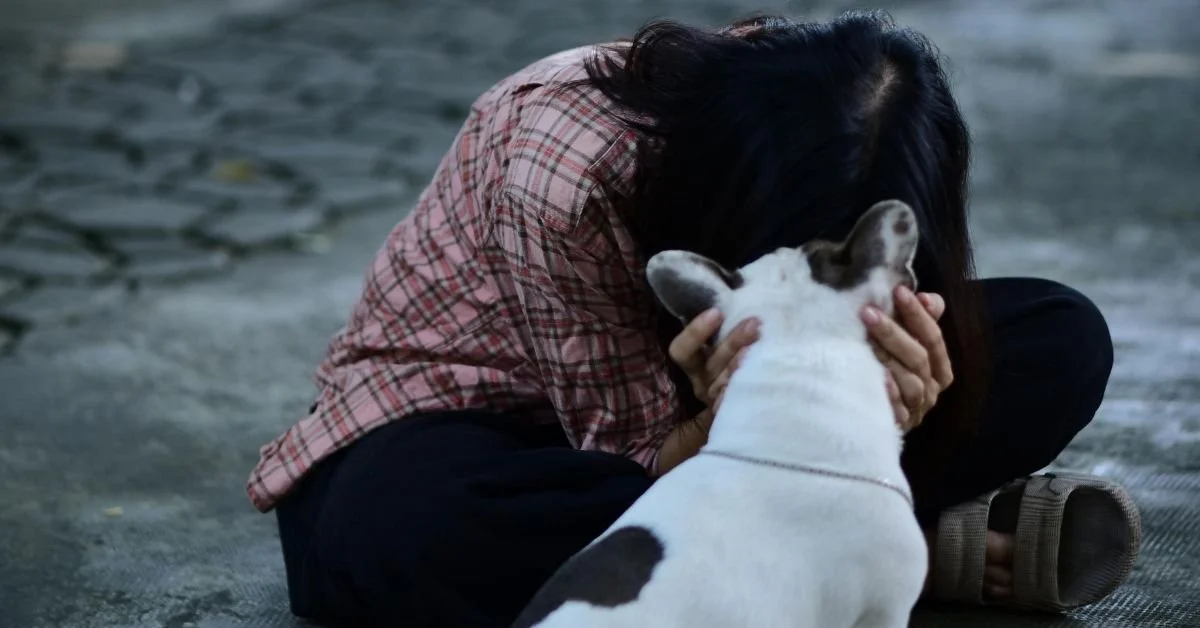
When pet care becomes difficult to afford, finding reliable help can feel overwhelming. Explore veterinary assistance programs, affordable care resources, and practical steps for preparing applications so you can make informed decisions about your pet's needs.