An inside look at how we research adoptable animals, verify information, track outcomes, communicate with shelters and rescues, and maintain honest, respectful advocacy.
Behind every animal featured by Green Muse Adoptables is more than a photograph and a caption.
There is an original shelter or rescue listing, information that may change, a responsible organization caring for the animal, and sometimes a series of questions we cannot immediately answer.
Our work involves researching profiles, organizing information, preparing features, reviewing updates, and communicating with organizations when clarification is needed.
We believe our community deserves to understand how that work happens.
Not because every detail will always be available, but because responsible advocacy depends on being clear about what we know, where the information comes from, and what remains uncertain.
Our priority is the animal, not the appearance of having every answer.
Why We Created Green Muse Adoptables
Green Muse Adoptables is an independent initiative of The Green Muse dedicated to helping shelter and rescue animals receive thoughtful, accurate visibility.
We focus on presenting animals as individuals, with attention to their documented circumstances, care needs, and adoption information.
Some animals have been waiting for extended periods. Others are older, have specialized placement requirements, or may simply benefit from being introduced to a wider audience.
We believe an animal does not need a dramatic story to deserve attention.
Our goal is to help people discover animals and find the information they need to take appropriate action.
Our Role and Responsibilities
Green Muse Adoptables is not a shelter, rescue organization, adoption agency, veterinary provider, or emergency placement service.
We do not house animals, control their care, approve applications, arrange adoptions, or determine outcomes.
The responsible shelter, rescue, or authorized caregiver retains responsibility for the animal and its placement.
Our work is focused on visibility, information organization, and ethical communication.
When we participate in volunteer programs or collaborate with animal welfare organizations, we distinguish those relationships from our broader independent advocacy.
A feature does not imply that an organization has formally partnered with or endorsed Green Muse Adoptables.
Our Editorial Standards: Accuracy Before Emotion
We believe animals deserve to be represented without exaggeration.
That begins with using reliable source information and avoiding descriptions that cannot be supported.
A photograph does not tell us an animal's full personality, history, or needs.
We do not assume that a dog is shy because they appear quiet, that a cat is affectionate because they approach a camera, or that an animal has been abandoned simply because they are living in a shelter.
We also avoid presenting animals as helpless characters in a story created for social media engagement.
Their circumstances may be difficult, but they are still individuals whose identities extend beyond those circumstances.
What We Aim to Include in Every Feature
Depending on what the source provides, our animal features may include:
The animal's name and identification number.
The responsible shelter or rescue.
Age, sex, size, and breed description when documented.
Current listed availability.
Relevant medical, behavioral, or placement information.
Official contact information or a link to the original profile.
An appropriate Heart Color classification.
The date or context of a status review when relevant.
We do not invent missing details.
If an important fact is unavailable, we leave it unknown rather than presenting an assumption as established information.
Our Approach to Animal Photographs
We work with photographs supplied or made available by the responsible shelter or rescue, subject to appropriate use and attribution.
We aim to preserve the animal's authentic appearance.
Our visual presentation favors natural colors, clear composition, and gentle editing rather than dramatic filters or effects.
When an image is adjusted for clarity, the goal is to improve visibility without misrepresenting the animal's appearance, physical condition, or environment.
We do not use altered imagery to suggest a medical condition, emotional state, or circumstance that the original photograph does not establish.
How We Select and Verify Animals
Our selection process begins with the source.
For shelter-based features, we prioritize official adoption inventories and individual animal profiles.
We look for evidence that the animal is currently listed as available and that enough reliable information exists to prepare an accurate feature.
For rescue-based animals, we use the responsible organization's published information or updates from authorized representatives.
Step One: Identify the Responsible Organization
We establish which shelter or rescue is responsible for the animal.
This is essential because social media posts can circulate long after an animal has changed locations or entered another organization's care.
We want readers to know where the animal's information originated.
Step Two: Review the Individual Animal Record
Whenever possible, we verify the animal's name, identification number, listing status, and other available details against the official record.
We distinguish documented information from observations or claims made by third parties.
Step Three: Assess Whether the Information Is Sufficient
Not every animal profile provides enough information for every type of feature.
When key details are missing or the animal's current status cannot be established, we may delay publication or choose another animal whose information can be represented more reliably.
Step Four: Prepare the Feature
We use consistent visual templates and factual descriptions to make the animal easy to recognize.
Our Heart Color System provides additional navigation, but it does not replace the animal's individual information.
We avoid sensational headlines, unsupported urgency, and claims about an animal's suitability for particular homes unless those claims are documented.
Step Five: Review Before Publication
Before sharing a feature, we review the source information again when practical, particularly for animals whose availability may be changing quickly.
Even after this review, we cannot guarantee that the listing will remain current.
The responsible organization is always the source readers should consult before taking action.
How We Use the Heart Color System
The Heart Color System helps organize our animal features using documented characteristics and circumstances.
Our current age categories are:
❤️ Senior: 7 years and older.
💙 Adult: 3–6 years.
💜 Young Adult: 1–2 years.
💚 Puppy / Kitten: Under 1 year.
Additional classifications include:
🧡 Gentle Giant: Documented large-sized or large-breed dogs.
💛 Small Breed Companion: Documented small-sized companion animals.
🤍 Special Needs: Documented medical, disability-related, behavioral, or specialized placement needs.
💗 Long-Stay: Animals whose extended shelter stay is supported by reliable information and applicable editorial criteria.
We do not assign a classification simply because it seems emotionally appropriate.
A senior animal is not automatically considered special needs. An animal who has waited a long time is not necessarily difficult to place. Physical appearance alone does not establish breed, size, or medical status.
For a fuller explanation of the categories and how to interpret them, visit our Green Muse Adoptables Advocacy Classroom.
What Happens After We Publish an Animal
Publication is one part of our work.
We also revisit previously featured animals as our time and available resources allow.
This may involve checking an official listing, reviewing updates from the responsible organization, or requesting clarification when the animal's status becomes uncertain.
Some cases are straightforward.
An organization may confirm that an animal was adopted or transferred.
Other cases remain unresolved.
An animal's listing may disappear, a shelter may change its public database, or an inquiry may go unanswered.
These situations require careful communication.
A Missing Listing Is Not a Confirmed Outcome
This is one of our most important rules.
When an animal's profile disappears from an official website, we do not automatically report that the animal has been adopted.
A listing can become unavailable for different reasons, including administrative changes, temporary holds, transfers, adoption, or other developments.
Without reliable confirmation, we cannot establish which explanation applies.
We also do not assume a negative outcome.
A removed listing tells us that the listing is no longer accessible. It does not tell us what happened to the animal.
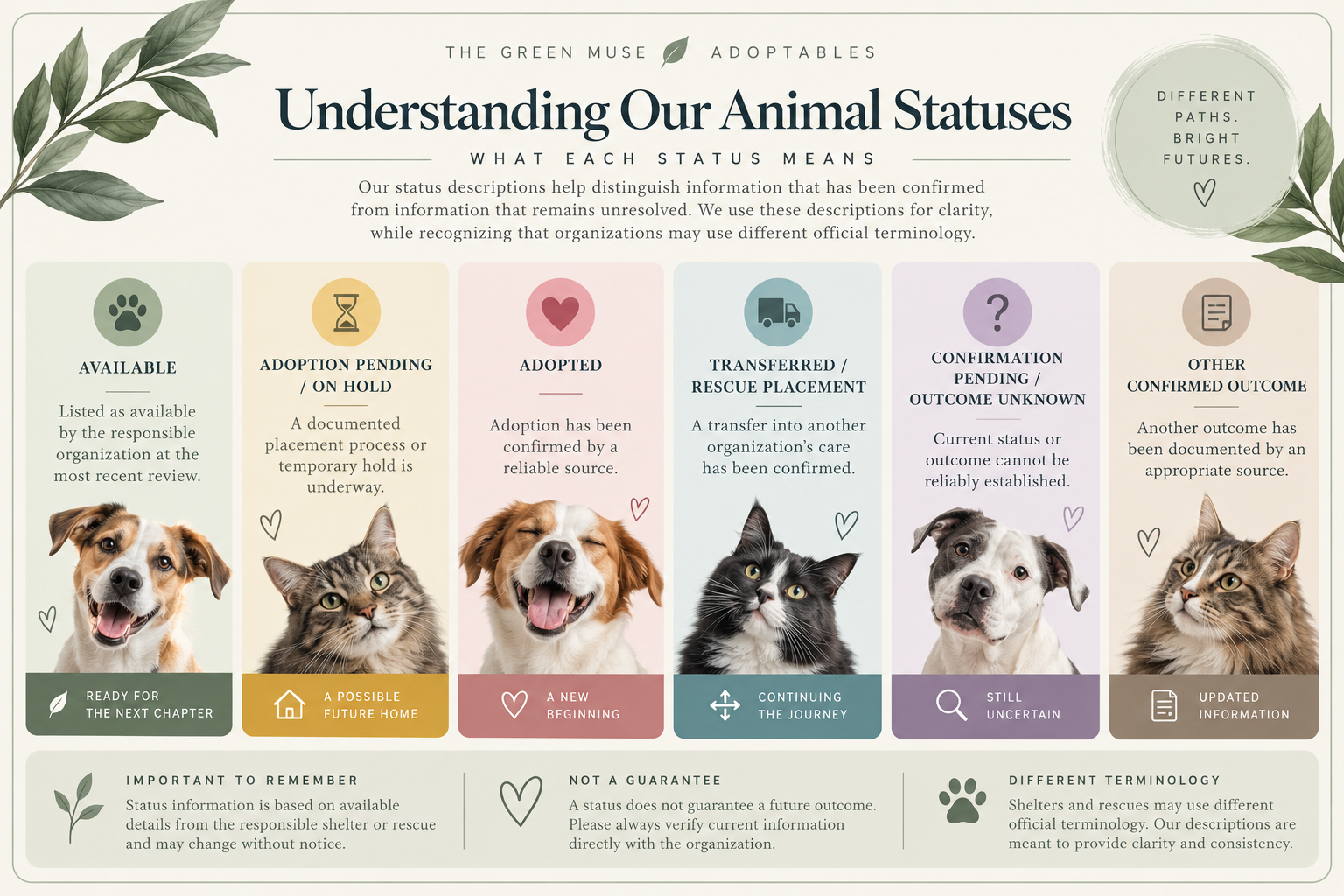
When the outcome cannot be confirmed, we use the status:
Confirmation Pending / Outcome Unknown
This communicates uncertainty without suggesting that a particular outcome has occurred.
Why We Sometimes Change an Animal's Position in Our Tracking Priorities
When an animal's official listing disappears, and their outcome remains unknown, we may move that record lower in our active visibility priorities.
This allows us to give more immediate attention to animals whose availability can still be verified.
It does not mean that the unresolved animal has been forgotten or that we have reached a conclusion about their outcome.
It is an organizational decision designed to distinguish active adoption visibility from cases requiring clarification.
Why We Cannot Always Confirm an Animal's Outcome
We know that people become attached to the animals they see.
Someone may remember a dog featured weeks earlier or wonder whether a cat eventually found a home.
Those questions matter.
But independent advocates do not necessarily have access to the records needed to answer them.
We rely on publicly available information and communication with responsible organizations.
Sometimes we receive confirmation. Sometimes we do not.
Shelters and Rescues Have Demanding Responsibilities
The people working directly with animals may be responsible for intake, daily care, cleaning, feeding, veterinary coordination, adoption appointments, transportation, foster communication, and administrative work.
Some organizations operate with limited staff, volunteer support, funding, or available space.
An outcome inquiry may be important to our community, but it is one of many requests an organization may receive.
We understand that answering outside inquiries may not always be possible immediately.
A Delayed Response Is Not Evidence of Wrongdoing
When an organization takes time to respond, we do not interpret the delay as proof that something has gone wrong.
We also do not assume that an unanswered inquiry means the animal is safe, adopted, or still available.
The absence of information cannot establish either conclusion.
Our responsibility is to explain what remains unknown.
Why We Cannot Promise an Update for Every Animal
We may contact an organization and receive a response quickly.
Another inquiry may take weeks, or may not receive a reply at all.
Some information may not be publicly available or appropriate for the organization to disclose.
We cannot guarantee a response time, access to internal records, or confirmation of every outcome.
Our advocacy work is primarily volunteer-based, and we must balance follow-up efforts with the ongoing need to give currently available animals visibility.
We will not promise information that we do not control.
Why We Share Original Shelter and Rescue Information
We want readers to be able to verify information independently.
Green Muse Adoptables should not become an unnecessary intermediary between a genuinely interested adopter and the organization responsible for an animal.
That is why we aim to provide original shelter or rescue details whenever reliable information is available.
If you are interested in adopting or fostering an animal we have shared, contacting the responsible organization directly is usually the appropriate next step.
How to Contact an Organization Respectfully
When making an inquiry, provide the animal's name and identification number when available.
Explain whether you are interested in adoption, fostering, or simply requesting a status update.
Keep the message clear and respectful.
For example:
"Hello, I recently saw an animal from your organization featured online and would like to ask about their current status. Their name is [name], and their identification number is [ID]. I understand your team may be busy and appreciate any information you can share. Thank you."
A genuine adoption inquiry should follow the organization's official application procedures.
An outcome inquiry should not be presented as an adoption offer unless the person is actually interested in adopting.
Please Do Not Pressure Shelter Staff
We ask our community to avoid repeated demands, accusations, or public criticism based solely on an unanswered inquiry.
Shelter workers and rescue volunteers may not have the information available, may need to consult another department, or may be unable to disclose certain records.
Respectful communication supports a more constructive relationship between advocates and the organizations providing direct care.
We can remain concerned about an animal without making unsupported assumptions about the people caring for them.
Our Public Tracking Sheets and Transparency Practices
Green Muse Adoptables maintains organized records of featured animals and available status information.
We also share public-facing Google Sheets to help our community understand how the work is organized.
These records are intended to make our advocacy more transparent.
They help us distinguish animals who remain publicly listed from those whose outcomes have been confirmed or remain unresolved.
What Our Records May Include
Depending on the information available and appropriate to share, our tracking sheets may document:
Animal name and identification number.
Responsible shelter or rescue.
Original listing or source.
Feature or review information.
Last known availability.
Confirmed changes.
Pending inquiries or unresolved outcomes.
We aim to preserve the distinction between confirmed facts and information that still requires verification.
What the Tracking Sheets Cannot Guarantee
Our public sheets are independently maintained advocacy records.
They are not official shelter databases, and they are not connected to every organization's internal animal management system.
A recorded review date does not guarantee that the animal remains available today.
An unresolved outcome does not establish that an animal is still in the shelter or that something negative has happened.
Our records reflect the information we have been able to obtain and review.
Their purpose is to make the work visible without claiming knowledge we do not possess.
How We Organize Our Work Across Platforms
We use different platforms for different parts of our advocacy.
This helps us keep animal features focused while giving readers clearer places to find updates and educational information.
Instagram: One Daily Feature, With Space for Urgent Cases
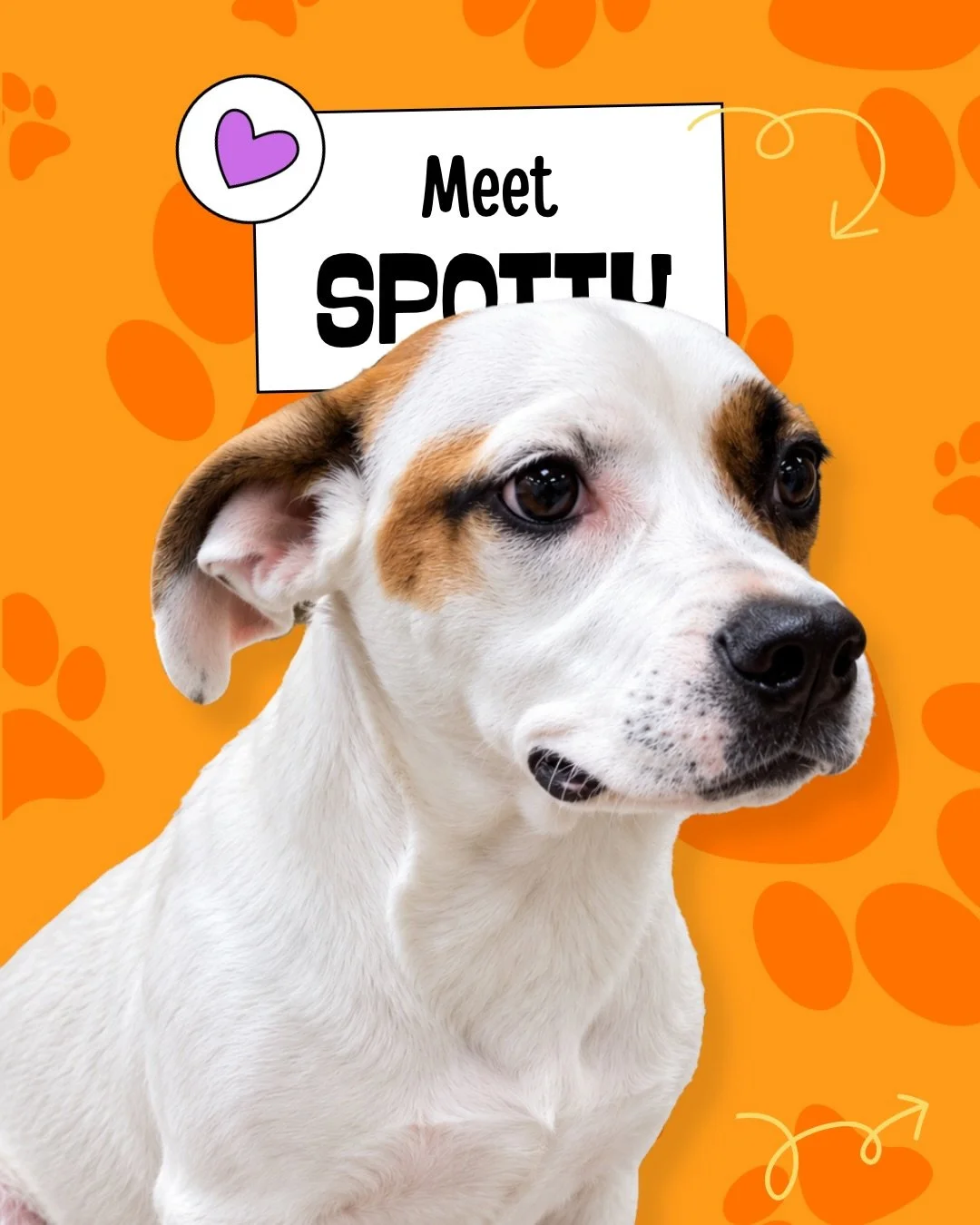
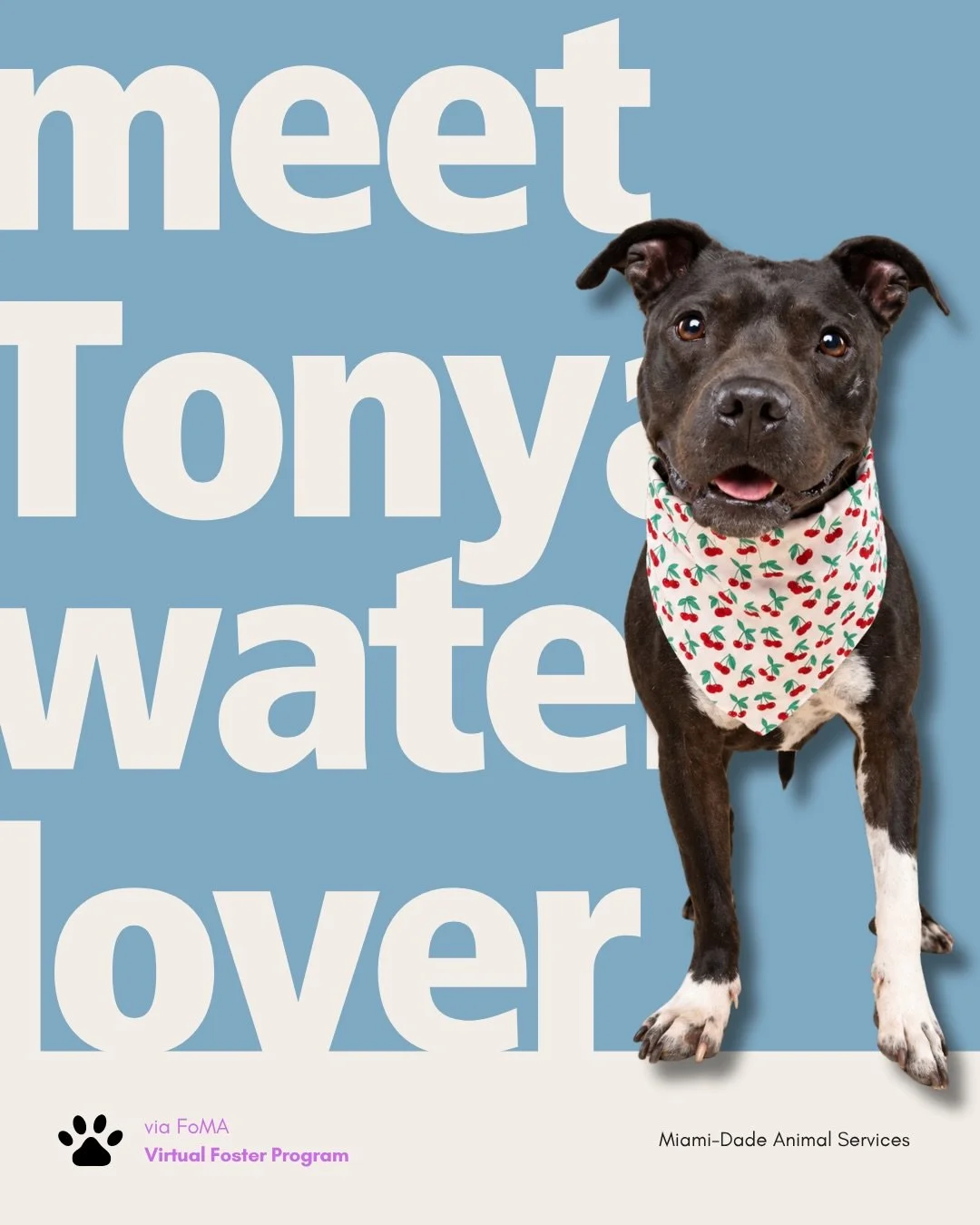
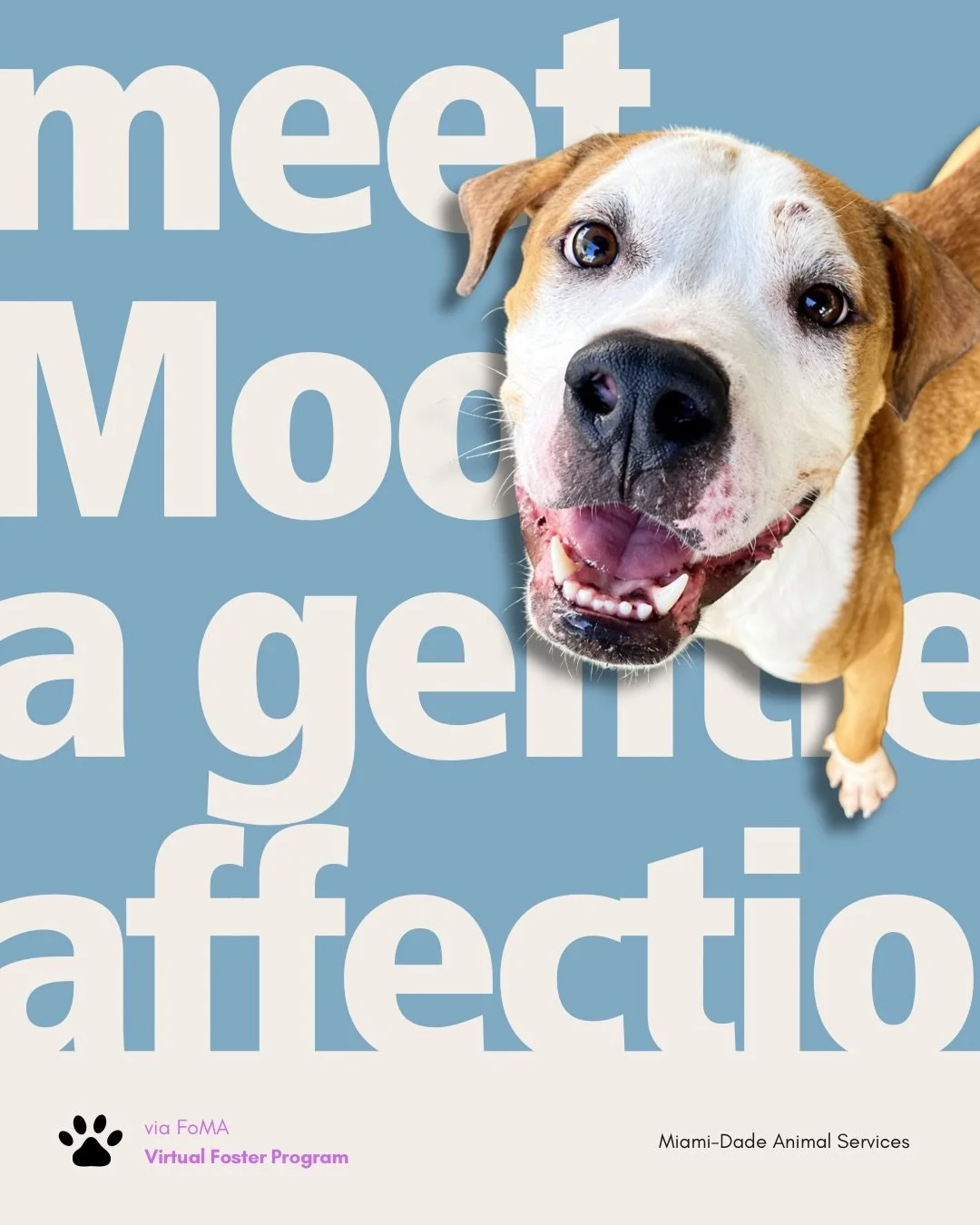
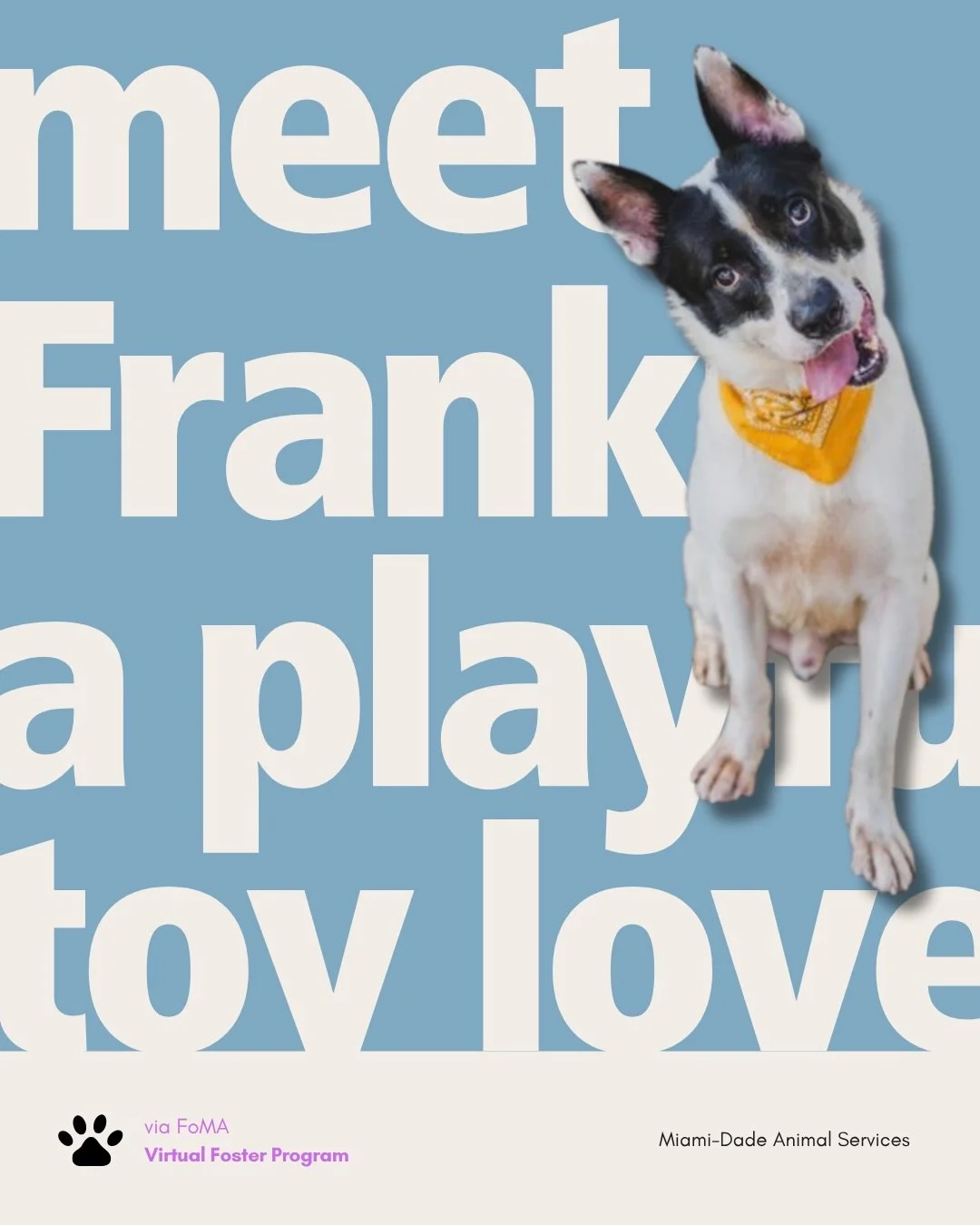
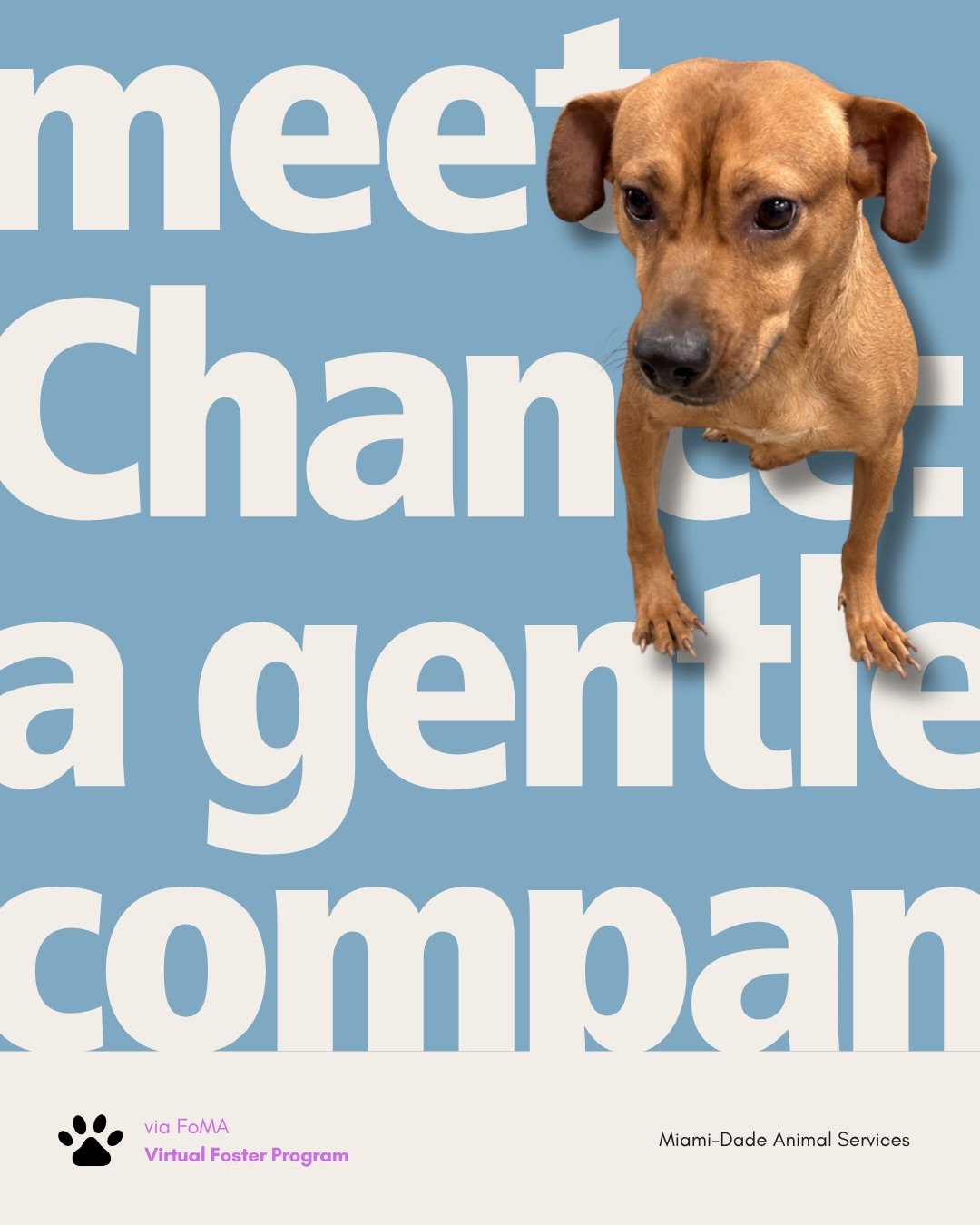
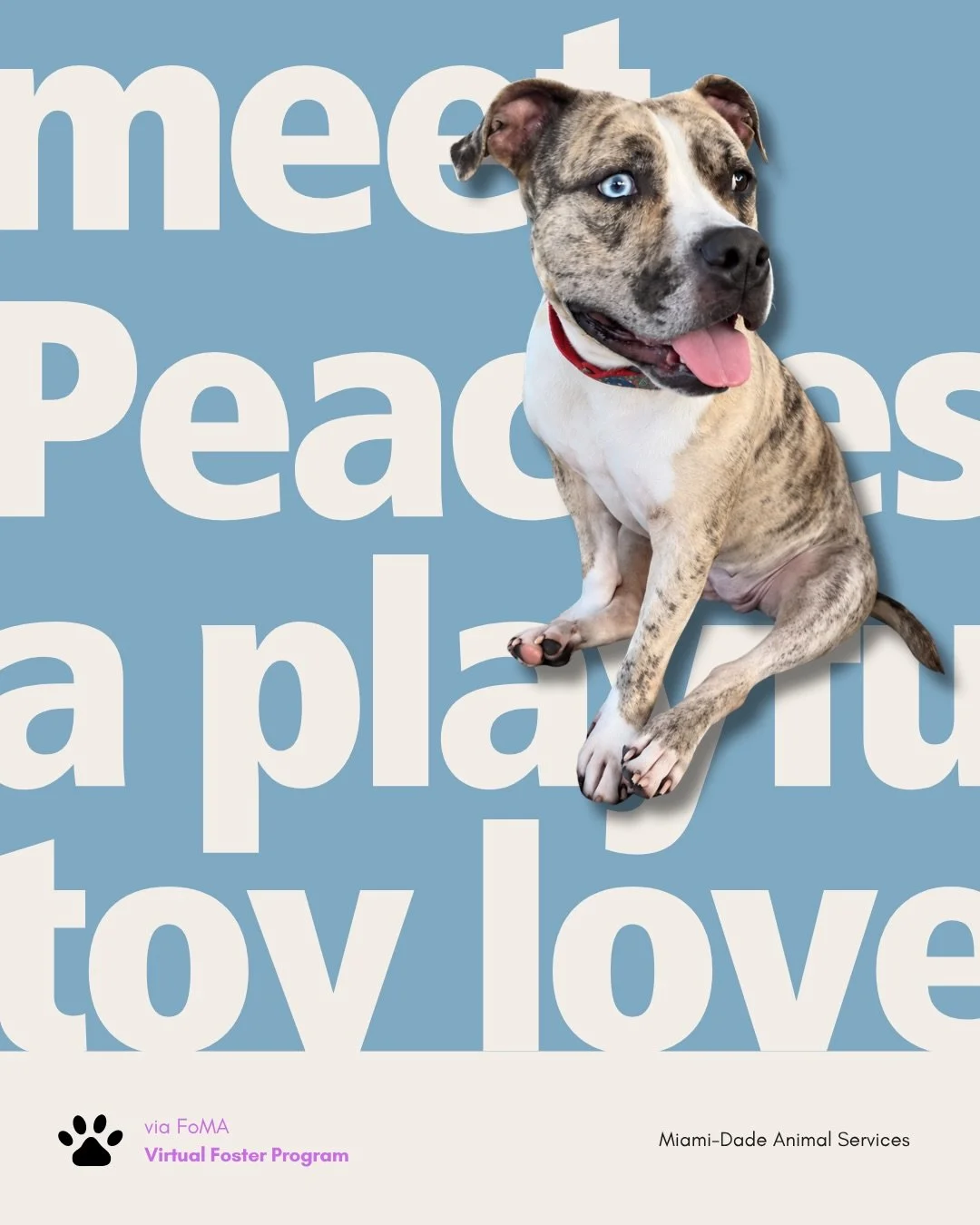
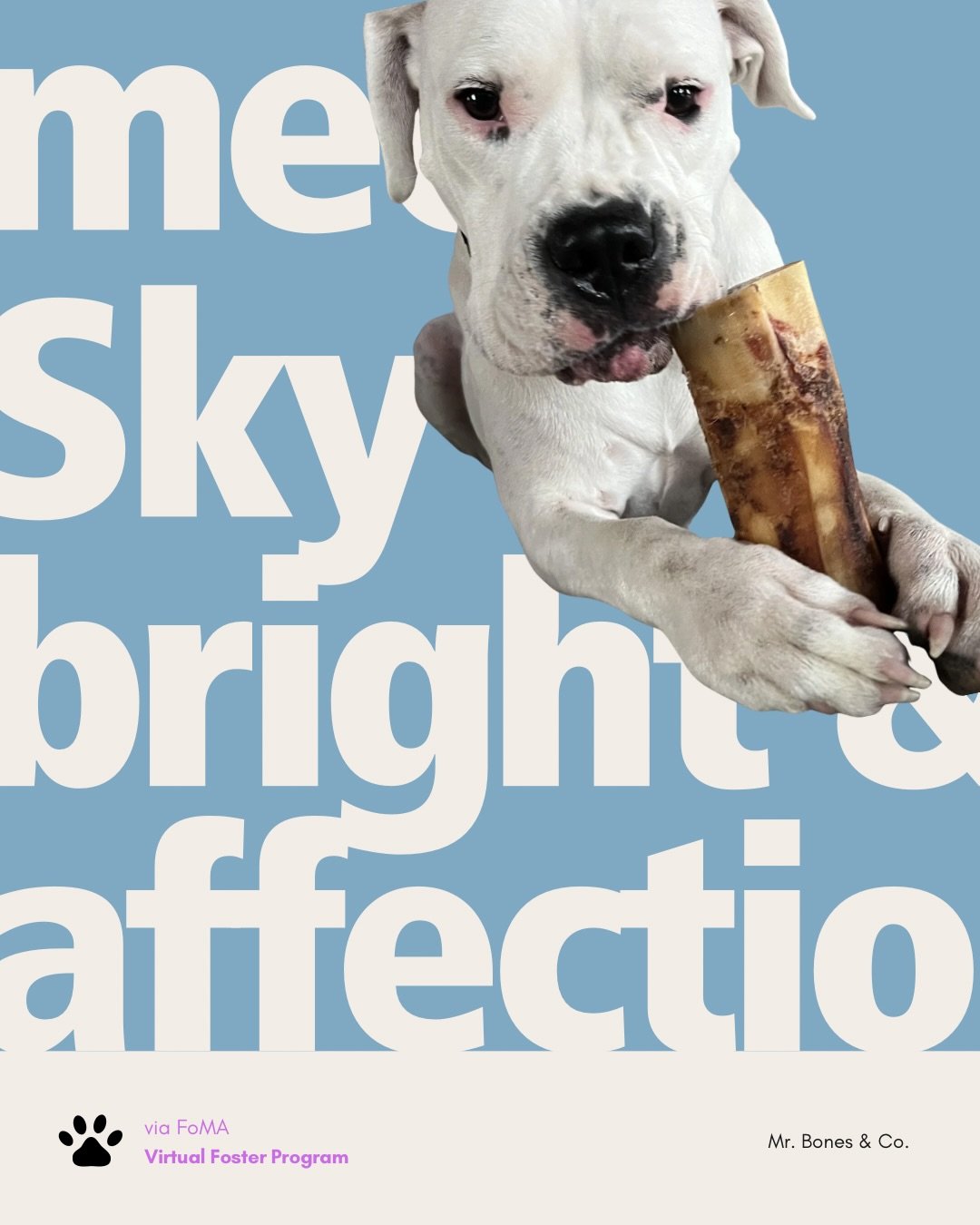
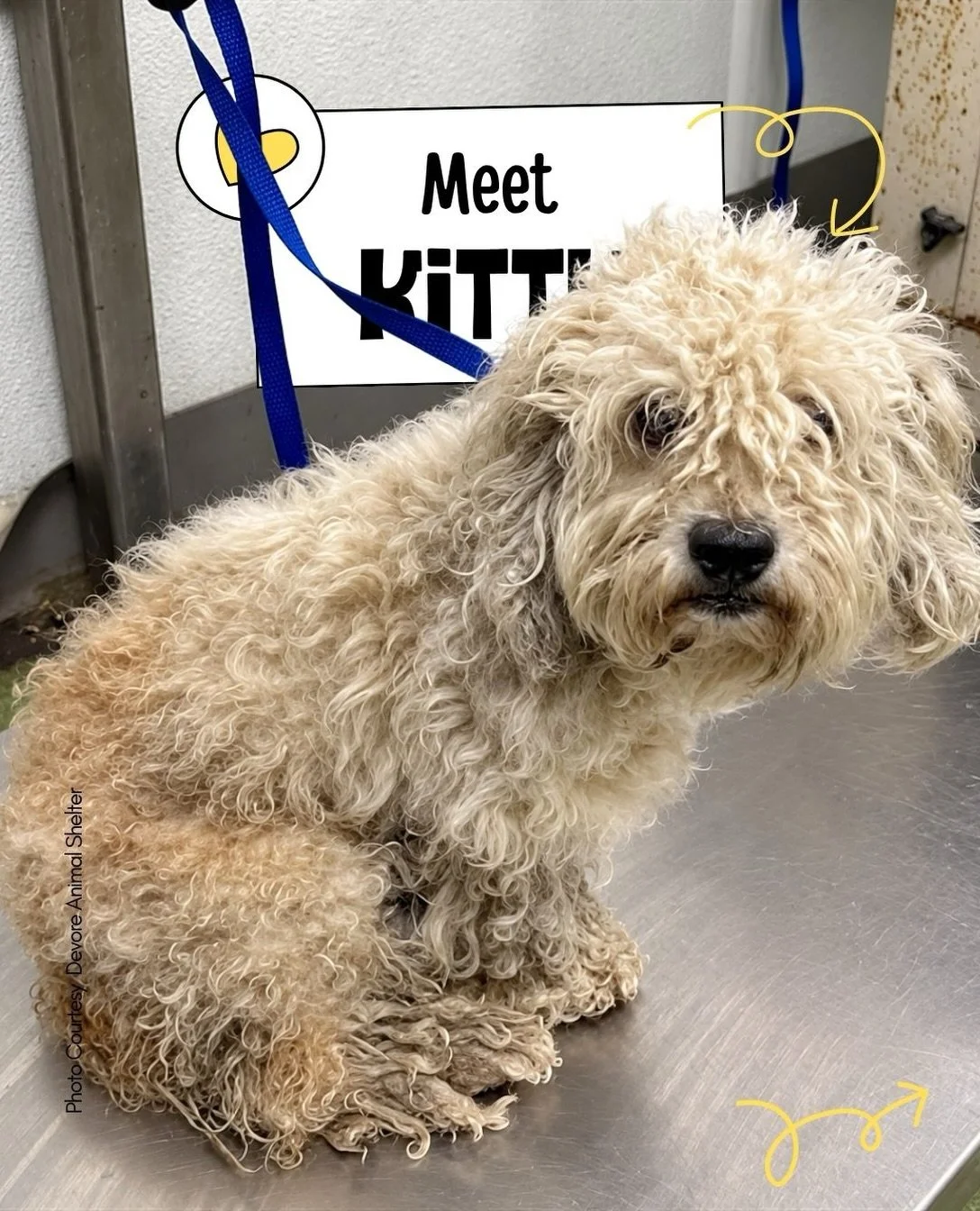
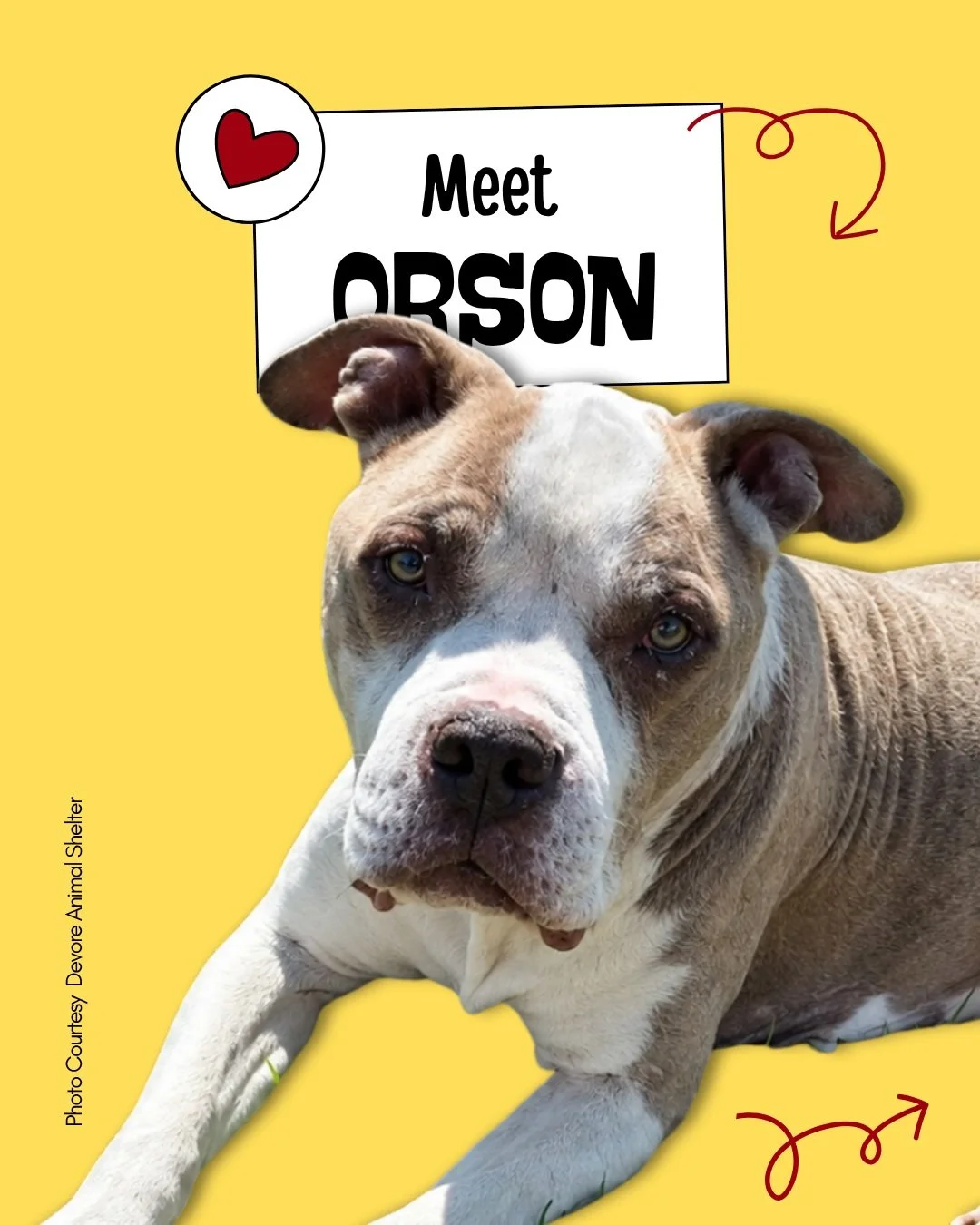
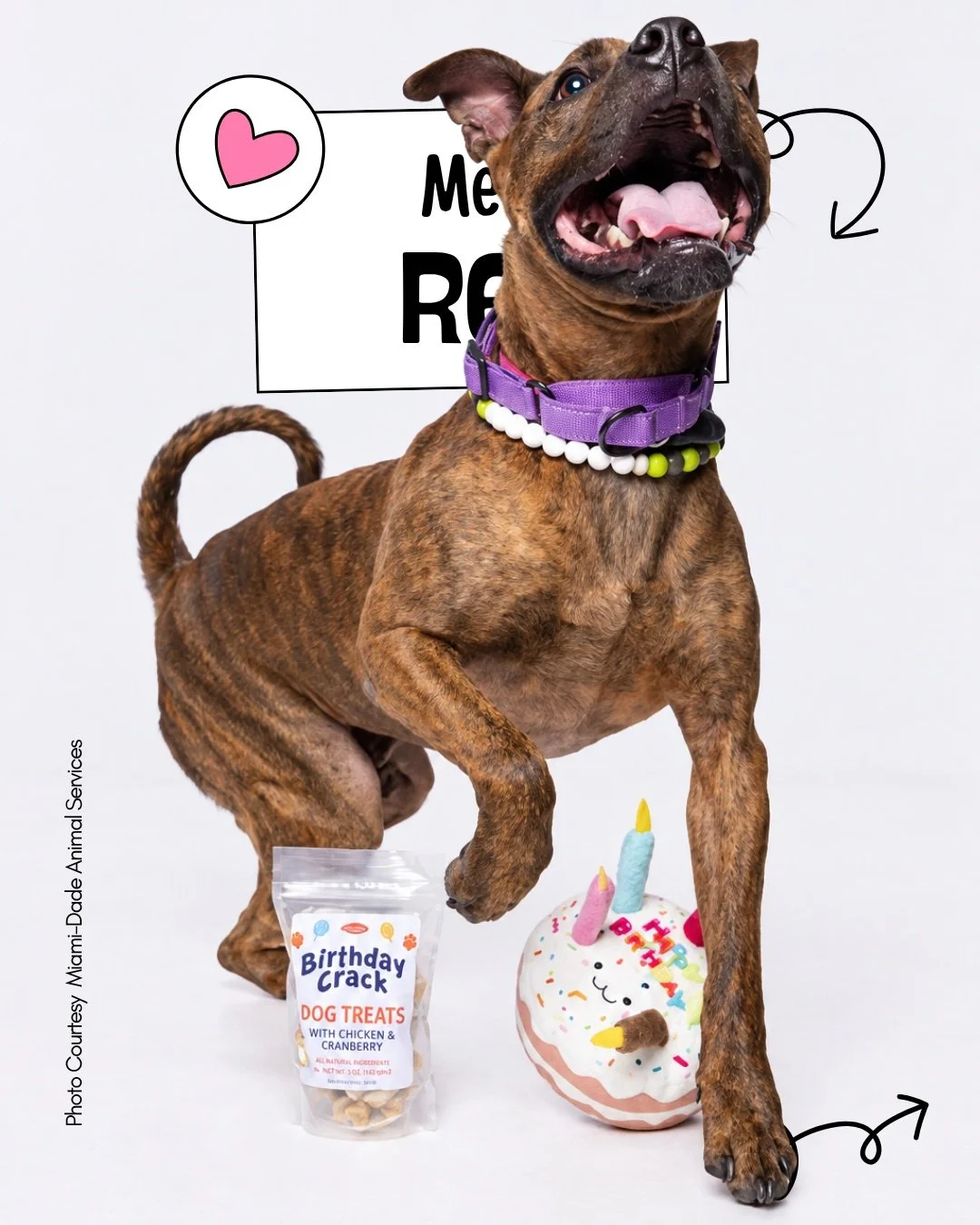
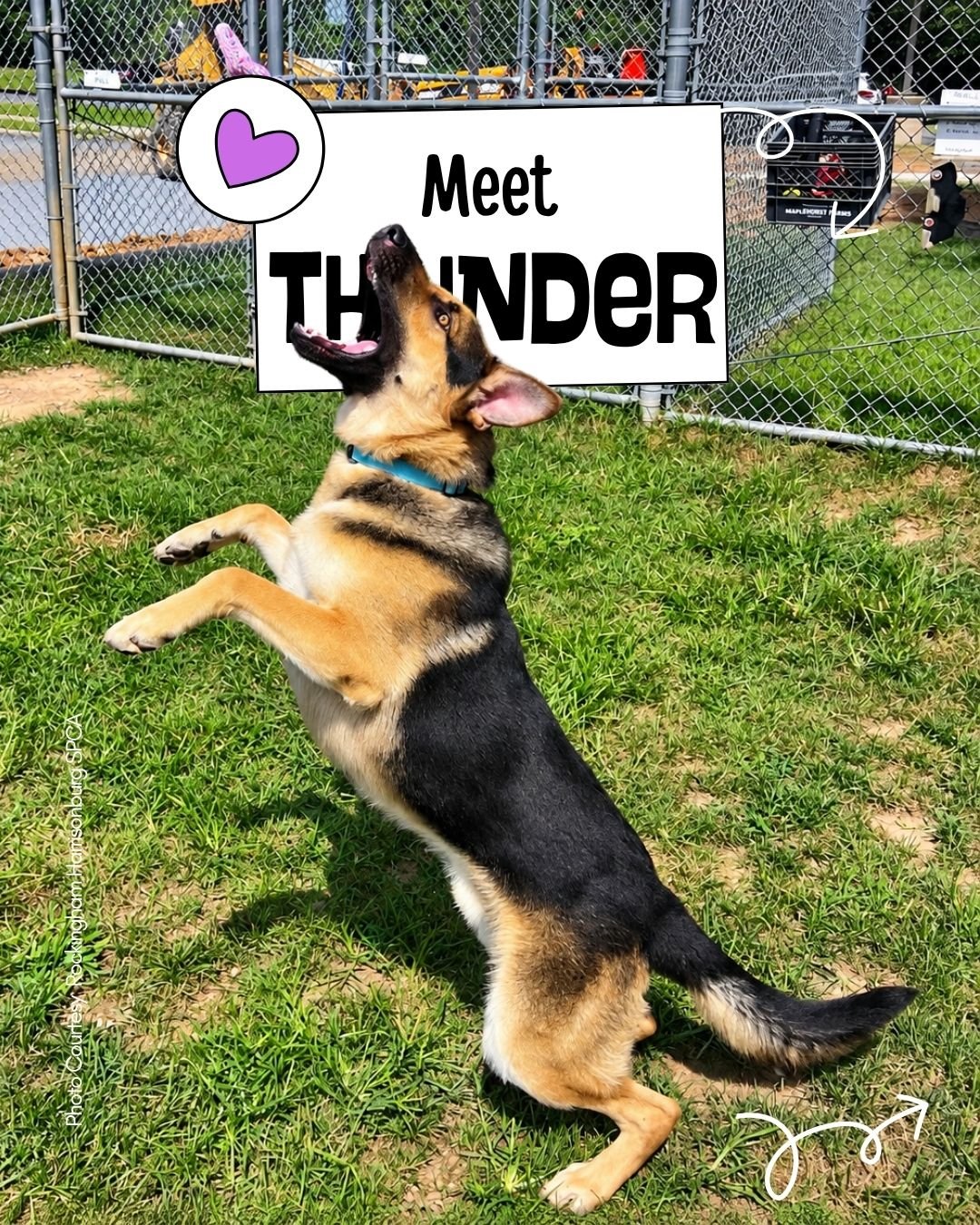
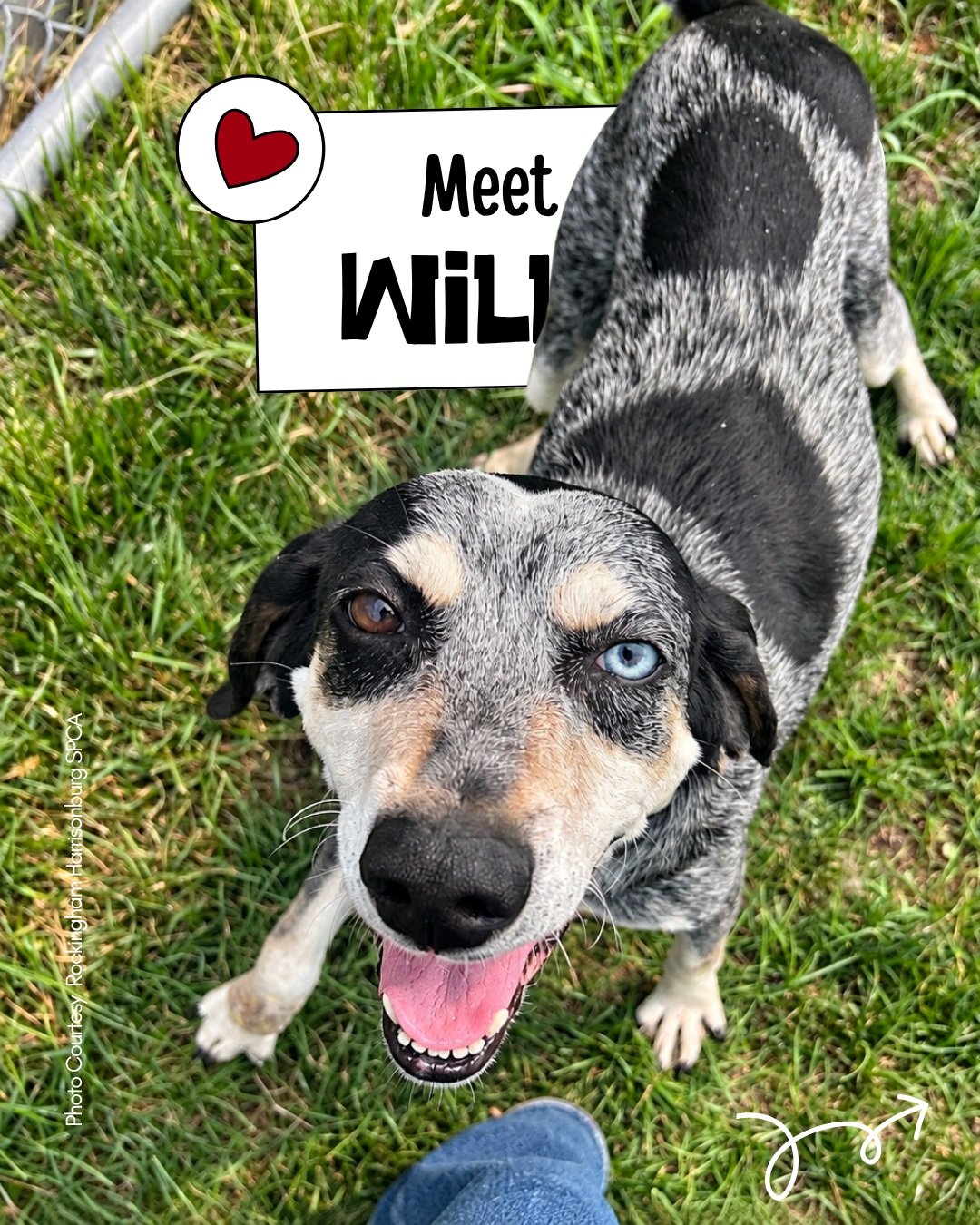
Our Instagram feed is dedicated to individual animal features, with one animal receiving the main spotlight each day.
This approach gives each pet their own space while allowing us to research profiles carefully and maintain our existing status records.
Documented urgent cases are shared through Instagram Stories so time-sensitive information can reach our community without waiting for the next daily feature.
We also use Story Highlights to organize important guidance and help visitors navigate our work.
When reliable outcome information becomes available, we aim to connect it to the original animal feature or its associated update information.
Our goal is to keep the feed focused on the animals, while making room for urgent advocacy, education, and transparency through the spaces best suited to each purpose.
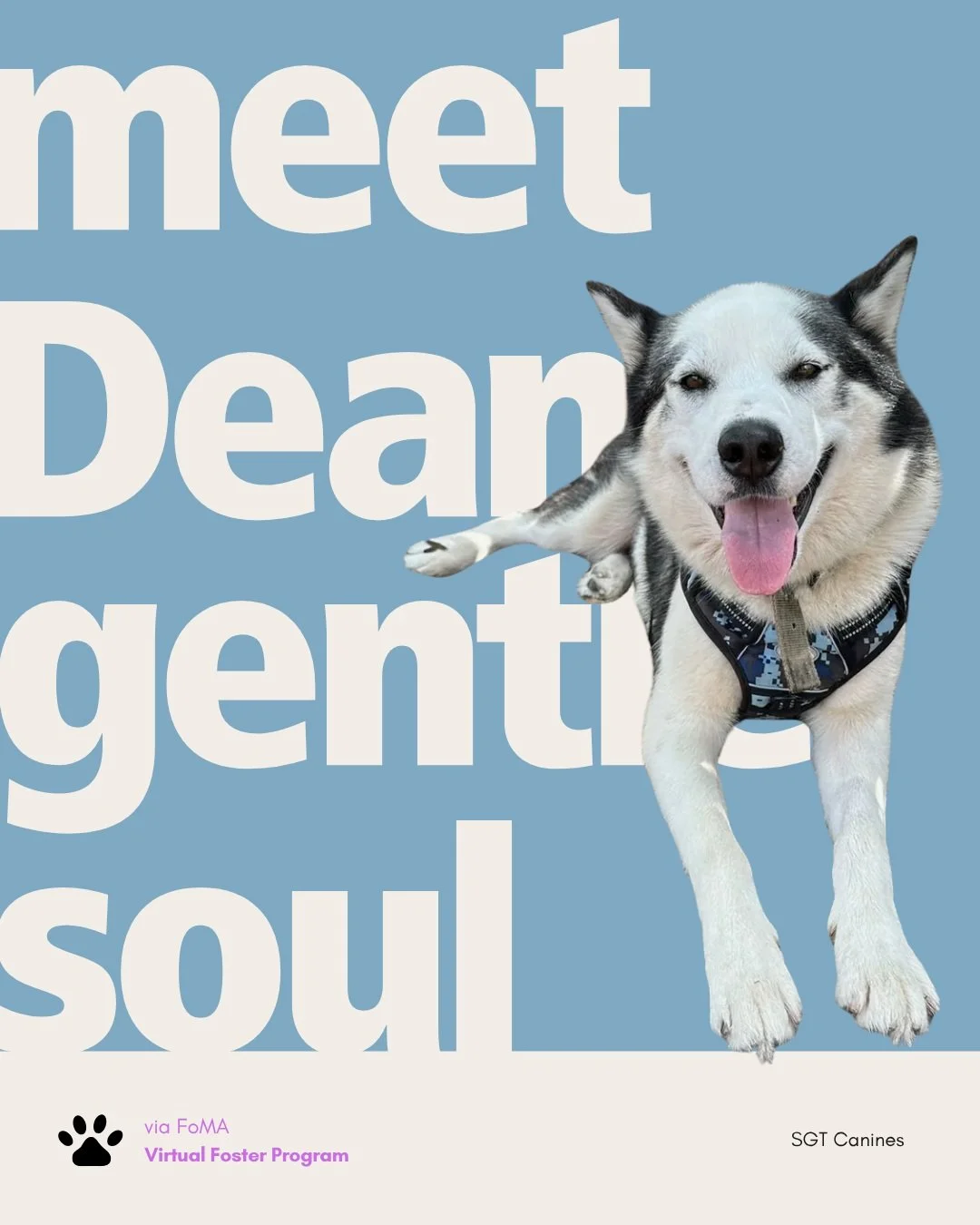
TikTok: Discovery and Wider Visibility
TikTok helps introduce animals to audiences who may not already follow our work.
Because videos can continue circulating after an animal's status changes, they should not be treated as real-time listings.
Our pinned introductory content explains the initiative and directs viewers toward Instagram and the original organization for further information.
The Green Muse Website: Education and Accountability
Our website provides space for the context that cannot fit into short captions.
The Advocacy Classroom explains shelters, rescues, adoption processes, and responsible sharing.
This transparency article explains how Green Muse Adoptables applies those principles in its own work.
Together, these resources help readers understand both the wider animal welfare system and our responsibilities within it.
Working With Shelters, Rescues, and Volunteer Programs
Our advocacy may include animals from municipal shelters, nonprofit rescues, foster-based organizations, and authorized animal welfare programs.
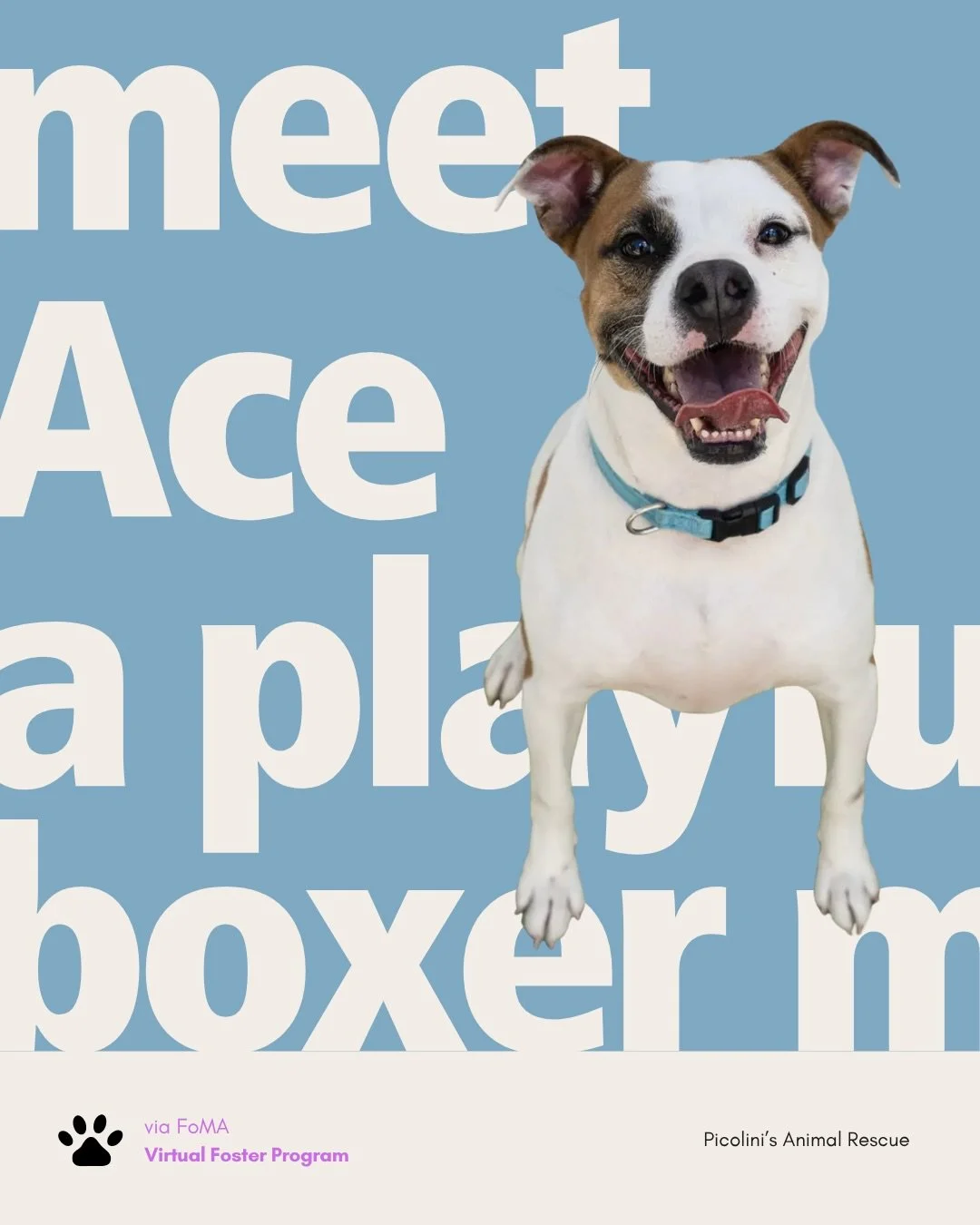
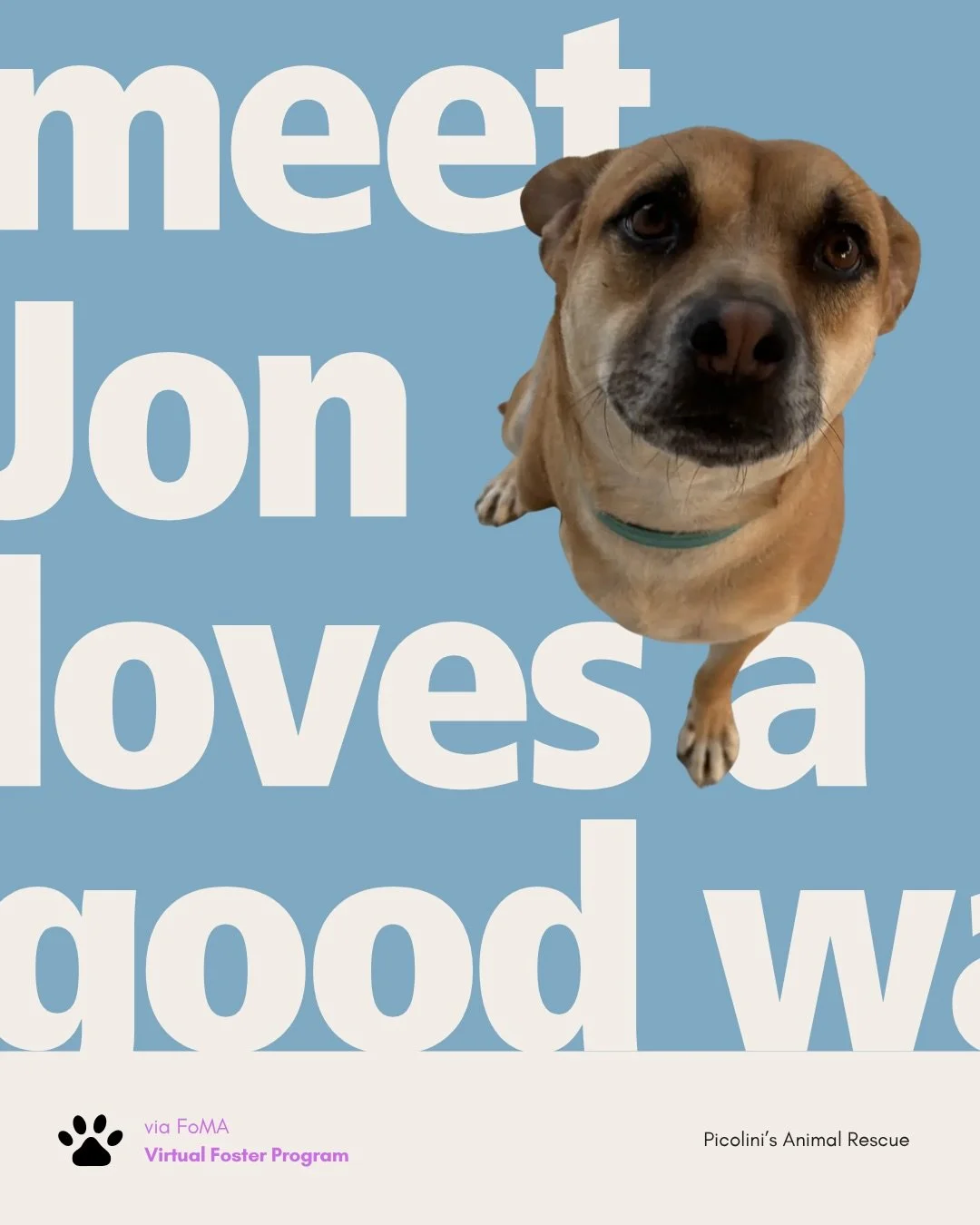
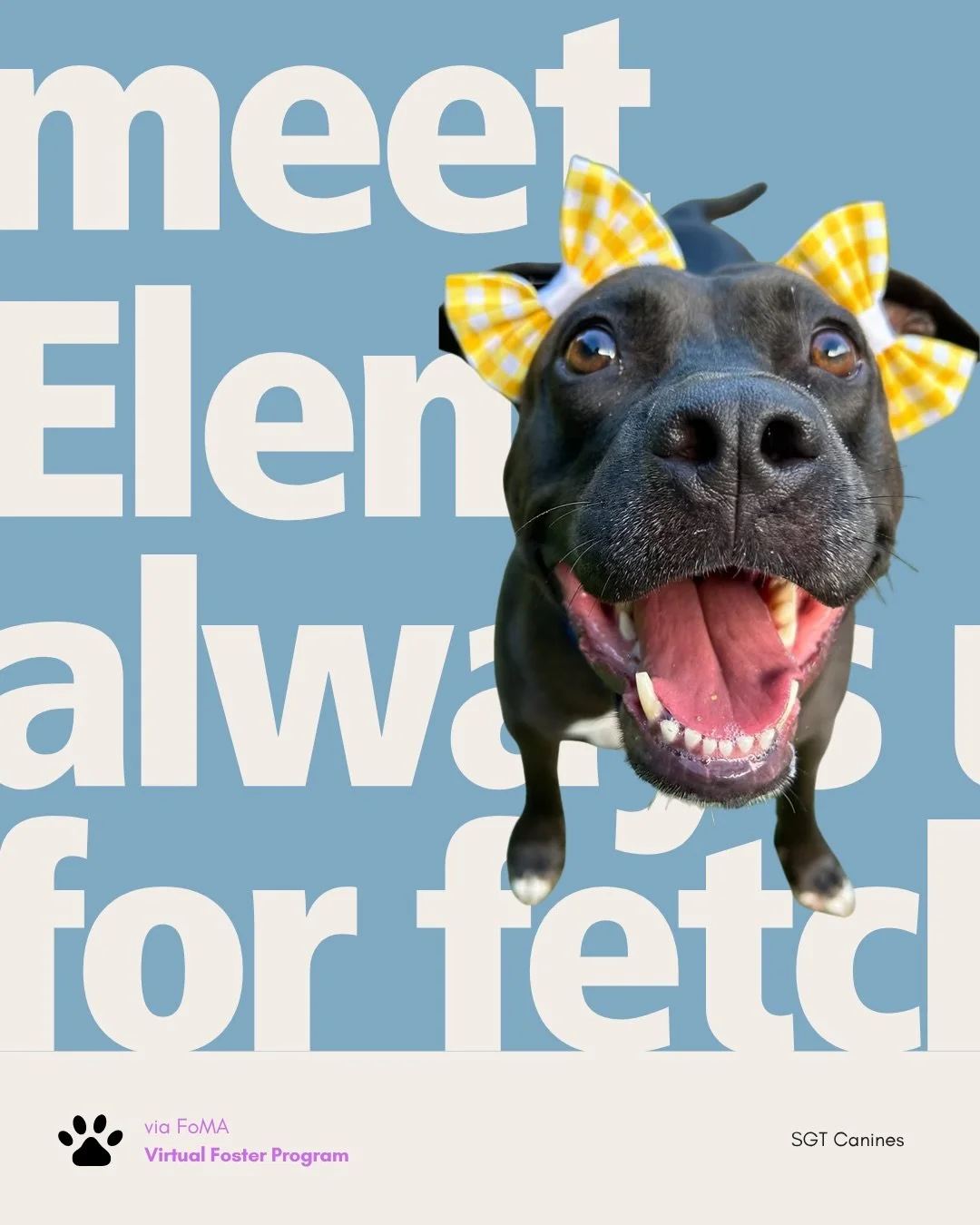
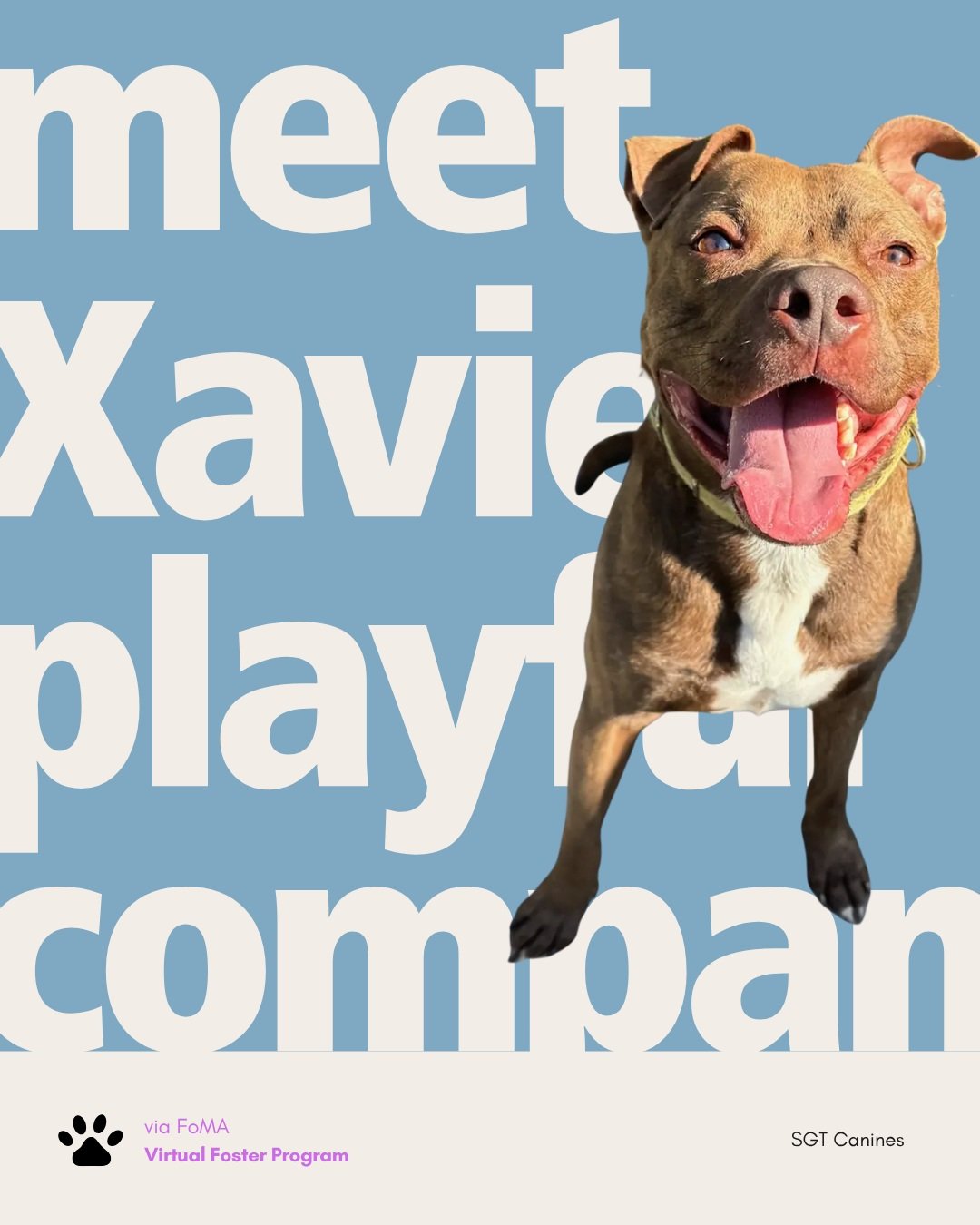
We also participate in volunteer initiatives, including activities connected to Friends of Miami Animals' Virtual Foster Program.
These relationships help support visibility and communication, but they do not give us control over an animal's care or placement.
Participation in a volunteer program does not automatically provide access to confidential records or authority to speak on behalf of every organization involved.
We aim to identify relevant affiliations accurately and respect each organization's procedures.
Our Commitment to Professional Communication
When contacting organizations, we want to be clear about who we are and why we are asking.
We recognize that requests for updates require staff or volunteer time.
We do not expect organizations to reorganize their workflows around our advocacy account.
We may request clarification or report a discrepancy, but we approach those conversations with respect for the organization's responsibilities.
Our purpose is to support animal visibility while maintaining constructive relationships with the people providing care.
What We Do When Information Is Incorrect or Outdated
Even careful research cannot eliminate every possibility of outdated information.
A listing may change shortly after publication. An organization may correct a profile. A previously reported detail may turn out to be inaccurate.
When reliable corrections become available, we aim to review the affected content and update it appropriately.
We welcome factual corrections supported by official records or information from authorized representatives.
What We Will Not Announce Without Reliable Confirmation
We do not report an adoption solely because a profile disappears.
We do not announce a rescue placement simply because someone offered to help.
We do not report a death or euthanasia based on speculation.
We do not present an unverified social media comment as a confirmed official outcome.
And we do not invent explanations when an organization has not responded.
Accuracy sometimes means leaving a question open.
That is a responsibility we take seriously.
The Limits of Social Media Advocacy
Visibility can help an animal reach more people, but it does not guarantee a particular outcome.
A widely shared post does not guarantee adoption.
A comment expressing interest does not mean an application has been submitted or approved.
An offer to foster does not establish that a placement is available or appropriate.
Adoption and rescue decisions involve medical, behavioral, financial, logistical, and organizational considerations that social media cannot resolve on its own.
We want our community to understand those limitations so that support remains realistic and useful.
How Readers Can Help
If you are interested in an animal, review the official listing and contact the responsible organization.
If you can foster, ask about the organization's current needs and procedures.
If you want to share a feature, preserve accurate information and direct people toward the source.
If you notice a possible correction, provide reliable evidence so we can review it.
And if an animal's outcome remains unknown, please understand that we may not have access to the information needed to answer your question.
Frequently Asked Questions
-
No. All adoption applications, approvals, fees, appointments, and placements are handled by the responsible organization.
-
We may not yet have received a reliable update. Older features may also remain visible as part of our advocacy record. Always verify current availability directly.
-
We make follow-up efforts within our available resources, but we also respect organizational workloads and communication limitations. Repeated inquiries do not guarantee that information will become available.
-
Yes. We encourage direct, respectful communication, particularly when someone is genuinely interested in adoption or fostering.
-
No. A missing profile does not establish a particular outcome.
-
No. They are independently maintained tracking resources based on information available to us.
Our Commitment to the Animals and the People Who Care for Them
Green Muse Adoptables was created to help animals become visible without turning their circumstances into entertainment or speculation.
We believe people deserve accurate information, and we believe the organizations caring for animals deserve respect.
There will be times when we cannot confirm what happened.
There will be inquiries that remain unanswered, listings that disappear, and updates that take longer than anyone would prefer.
We will continue to distinguish what is known from what is uncertain.
We will correct information when reliable evidence becomes available and encourage readers to return to the original sources.
Our work is not measured by how many answers we can provide or how much attention a post receives.
It is measured by whether we represent animals responsibly and help people take informed, appropriate action.
The animal is always the reason for the work.
And when we cannot tell the entire story, we owe that animal the respect of telling only what we know.
Important Disclosure: Independent Advocacy, Animal Availability & Outcome Information
Green Muse Adoptables is an independent, primarily volunteer-based animal advocacy initiative of The Green Muse. We are not an animal shelter, rescue organization, veterinary provider, adoption agency, or emergency placement service.
Animal features are based on information available from shelters, rescues, and other authorized sources at the time of review. Information may change without notice.
Current availability is not guaranteed. An animal featured on our website or social media may have been adopted, transferred, placed on hold, or experienced another change in circumstances.
A removed or inaccessible listing does not confirm an outcome. We do not assume adoption, rescue, transfer, death, or euthanasia without reliable supporting information.
Outcome updates cannot be guaranteed. Shelters and rescues may take time to respond, may be unable to provide certain information, or may not answer every inquiry. We respect their workload and communication limitations.
Our public tracking sheets are not official shelter records. They are independent advocacy resources and should not be treated as real-time databases.
Adoptions and foster placements are managed by the responsible organizations. Green Muse Adoptables does not approve applications, reserve animals, guarantee placements, or control adoption decisions.
Readers should verify current information directly with the responsible shelter or rescue before making adoption, foster, transportation, or financial arrangements.
For corrections or questions about our published information, contact hello@thegreenmuseblog.com.
We remain committed to accurate communication, transparency about our limitations, respect for animal welfare professionals, and advocacy that keeps the animal's wellbeing first.

-
At The Green Muse, we believe that conscious living begins with curiosity, compassion, and access to trustworthy information. Through our articles on sustainable living, ethical fashion, mindful consumption, and animal welfare, we aim to make thoughtful choices more accessible without encouraging perfection or unnecessary consumption.
Transparency, editorial independence, and respect for our readers guide how we research, create, and maintain our content.
Editorial Integrity & Research
Our articles combine independent research, credible publications, publicly available information, and thoughtful editorial analysis. We may use digital research tools, trend analysis, and AI-assisted platforms to help gather, organize, and review information.
All content is reviewed before publication, with sources cross-checked where practical. We recognize that research evolves, information can become outdated, and no source or technology is infallible.
Our articles are intended to encourage informed decisions and further exploration, not to present any single lifestyle, product, or approach as the only responsible choice.
Affiliate Links & Brand Partnerships
Some articles contain affiliate links. When readers make qualifying purchases through these links, The Green Muse may earn a commission at no additional cost to them.
Affiliate partnerships help support our independent editorial work. We aim to feature brands, products, and services that are relevant to our content and consistent with our values. Commercial relationships do not guarantee favorable coverage or determine our editorial conclusions.
We encourage readers to consider their individual needs, research products independently, and make purchases thoughtfully.
External Links, Product Availability & Archived Content
Our articles may reference sustainable brands, products, nonprofit organizations, educational resources, and other third-party websites.
As brands evolve, products are discontinued, organizations update their websites, and affiliate programs change, some external links may become outdated, redirect, or stop working altogether.
We review and update content as resources allow, but cannot guarantee the continued availability, accuracy, pricing, or functionality of third-party websites and links. The inclusion of an external resource does not constitute an endorsement of every product, policy, or practice associated with that website.
Older articles remain part of our educational archive and may reflect information available at the time of publication. Readers are encouraged to verify current details directly with the relevant organizations or providers.
Animal Welfare, Rescue Advocacy & Adoptable Pets
Animal welfare is an important part of The Green Muse. Through educational articles, rescue resources, and The Green Muse Adoptables, we help raise awareness of shelter animals, responsible adoption, fostering, and the work of animal welfare organizations.
Our advocacy is independent and primarily volunteer-based. We are not a shelter, rescue organization, veterinary provider, or adoption agency. Unless explicitly stated, featuring an organization or animal does not imply an official affiliation, employment relationship, or financial compensation.
When sharing adoptable animals, we rely on information provided by shelters, rescue organizations, and other authorized sources. We make reasonable efforts to check and update information, but adoption status, location, medical details, and eligibility can change without notice.
All adoption inquiries, applications, and placement decisions must be handled directly by the responsible shelter or rescue organization.
Rescue Resources, Donations & Third-Party Organizations
Links to animal shelters, rescue groups, nonprofit organizations, donation pages, wishlists, and community programs are shared to help readers discover ways to support animal welfare.
The Green Muse does not operate or control these third-party organizations or their websites. We cannot guarantee their current practices, policies, fundraising activities, availability, or outcomes.
Readers should verify donation information, adoption procedures, and organizational details directly before making financial commitments or participating in programs.
Educational Information & Professional Guidance
Content published on The Green Muse is provided for general educational and informational purposes.
Discussions involving sustainability, environmental practices, animal health, shelter operations, adoption requirements, and related subjects should not replace guidance from qualified professionals.
For veterinary, medical, legal, or other specialized matters, readers should consult appropriately qualified professionals and the organizations directly responsible for individual cases.
Images, Creative Assets & Copyright
Images and creative materials featured on The Green Muse may come from licensed image libraries, design platforms, participating brands, photographers, shelters, rescue organizations, and other credited sources.
These may include Pexels, Unsplash, Canva, Getty Images, and materials supplied by organizations featured in our content.
Images are used according to applicable licenses, permissions, or other lawful grounds. Unless otherwise stated, copyright and ownership remain with their respective rights holders. Their appearance on our website does not imply that The Green Muse owns the original works or that the creators endorse our content.
Corrections, Updates & Community Collaboration
We welcome corrections and updated information from readers, brands, shelters, rescue organizations, and community partners.
Although we work to maintain accurate and useful content, information may change after publication. If you notice an outdated resource, broken link, incorrect attribution, or an animal profile requiring an update, please contact us.
Your input helps us maintain a more reliable and respectful educational resource for our community.
Contact: hello@thegreenmuseblog.com
Thank you for reading with curiosity, supporting independent content, and helping us build a more thoughtful relationship with the world around us.









A Note on Information & Community Respect
This article is shared for educational and awareness purposes. While we strive to provide accurate, reliable information, we encourage readers to explore additional sources and conduct their own research, as information and circumstances may change over time. When applicable, please verify current details directly with the shelter, rescue organization, or relevant official source.
We also ask that discussions remain kind, respectful, and constructive. Thoughtful conversations help us build a supportive community where animal welfare remains the priority.
Thank you for being part of a community that cares.

When pet care becomes difficult to afford, finding reliable help can feel overwhelming. Explore veterinary assistance programs, affordable care resources, and practical steps for preparing applications so you can make informed decisions about your pet's needs.