How a proposed national policy framework could strengthen animal shelters, expand veterinary access, support pet guardians, and address some of the conditions that contribute to animal homelessness in the United States.
Animal shelters are often where the consequences of larger social problems become visible. Housing instability, limited access to veterinary care, financial hardship, and insufficient community resources can all affect whether an animal remains safely at home or enters an already strained shelter system.
The National Animal Welfare and Shelter Support Act (NAWSSA) is a proposed policy framework intended to address these interconnected challenges.
Rather than focusing exclusively on what happens after an animal enters a shelter, NAWSSA explores how public investment, preventive services, responsible pet guardianship, and coordinated oversight could improve animal welfare throughout the United States.
This article examines the proposal's seven principal policy areas, the problems they seek to address, and the practical questions that would need to be considered before any of these recommendations could become federal policy.
Important clarification: NAWSSA is an independently developed legislative policy proposal. It has not been enacted into federal law, and this presentation should not be interpreted as an officially introduced congressional bill.
Why Animal Shelter Reform Requires a Broader Approach
Animal shelters provide essential services, but they cannot independently resolve every circumstance that brings animals into their care.
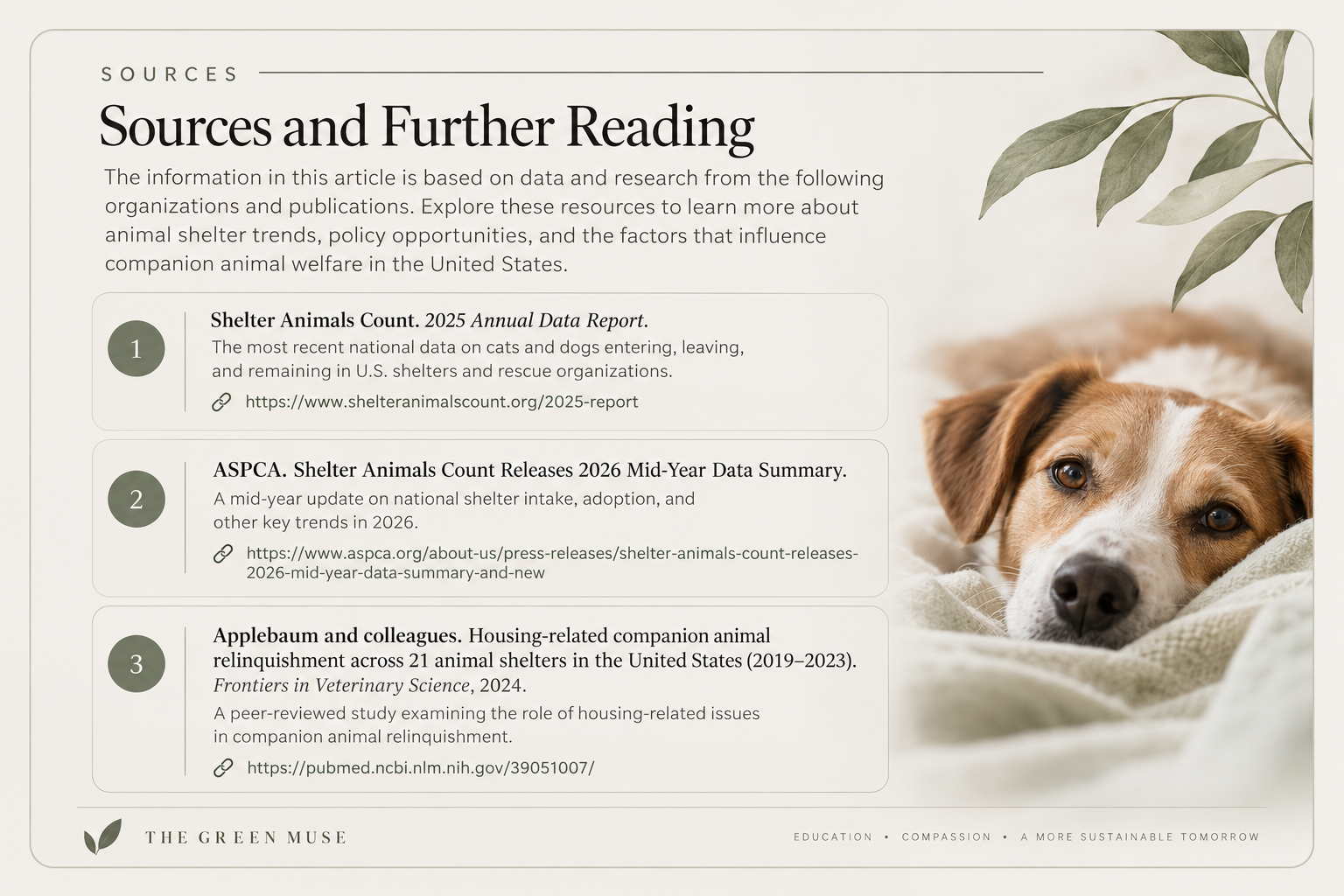
According to Shelter Animals Count's 2025 Annual Data Report, approximately 5.8 million cats and dogs entered shelters and rescue organizations across the United States during 2025. Approximately 4.2 million were adopted, while an estimated 597,000 were euthanized.
These figures represent different aspects of shelter operations and should not be interpreted as a simple calculation of animals left without homes. Animals also leave shelters through reunification, transfers, and other outcomes.
The national picture is complicated. Some shelters have improved adoption outcomes, while others continue to experience capacity constraints, limited staffing, and difficulty placing animals requiring specialized care.
Shelter Animals Count's mid-year findings for 2026 further illustrate these pressures, reporting increased intake compared with the corresponding period in 2025.
A meaningful response therefore requires more than expanding shelter space. It also requires examining why animals enter shelters, which services help families keep their pets, and how organizations can receive the resources necessary to provide appropriate care.
NAWSSA is built around that broader understanding.
1. Shelter Funding and Resources: Supporting the Organizations Providing Daily Care
The first component of NAWSSA proposes expanded federal financial support for animal shelters and rescue organizations, particularly those experiencing high intake volumes, overcrowding, and limited resources.
Animal shelters have operating expenses that extend well beyond food and basic housing. Veterinary treatment, sanitation, behavioral care, staffing, utilities, transportation, and facility maintenance all contribute to the cost of providing humane care.
When available resources do not match the number or needs of animals entering an organization, maintaining appropriate standards becomes more difficult.
What NAWSSA proposes
The framework recommends federal funding opportunities that could help eligible organizations improve facilities, expand essential services, and respond to periods of exceptional demand.
It also proposes exploring tax incentives that could encourage financial contributions to qualified shelters and rescue organizations.
A future legislative version would need to establish eligibility requirements, funding formulas, oversight procedures, and protections to ensure resources reach organizations with demonstrable needs.
Importantly, federal assistance should complement rather than automatically replace state, municipal, and private funding.
The objective is not simply to increase shelter capacity indefinitely. It is to help organizations provide humane care while investing in services that reduce unnecessary shelter intake.
2. Veterinary Support: Making Essential Care More Accessible
Veterinary services are central to animal welfare, but access is not equal across communities.
For some pet guardians, the cost of treatment creates difficult financial decisions. In other areas, geographic distance, limited appointment availability, or a shortage of veterinary professionals can make timely care challenging.
Shelters also depend on veterinary expertise to manage infectious diseases, provide preventive care, perform sterilization procedures, and treat animals arriving with medical needs.
NAWSSA identifies veterinary access as an area where targeted public investment could provide benefits to both shelters and the communities they serve.
Supporting veterinary professionals in high-need settings
One proposed measure is student loan assistance or forgiveness for eligible veterinary professionals who commit to working in underserved communities or qualifying animal shelters.
Such a program would require clearly defined service commitments, eligibility standards, and coordination with existing federal student loan programs.
It would also need to consider the broader veterinary workforce, including technicians and other essential support professionals.
Expanding mobile veterinary services
NAWSSA also proposes funding mobile veterinary clinics serving rural and underserved communities.
Depending on local needs and professional regulations, these services could offer preventive examinations, vaccinations, sterilization procedures, and selected basic treatments.
Mobile services would not replace full-service veterinary hospitals or emergency care facilities. Their value would lie in expanding access to appropriate services where conventional veterinary infrastructure is limited.
Improving access to preventive care may also help some guardians address medical concerns before they become more serious or financially overwhelming.
3. Responsible Pet Ownership: Education as a Form of Prevention
Responsible pet guardianship involves more than affection and good intentions.
Animals depend on people for appropriate nutrition, safe housing, veterinary attention, exercise, behavioral support, and lifelong care.
Yet access to reliable information varies considerably.
NAWSSA proposes a national educational initiative designed to help people understand the practical responsibilities associated with companion animal care.
The proposal also includes age-appropriate animal welfare education in schools.
What effective education could include
A well-designed public education initiative could address the costs of companion animal care, the importance of preventive veterinary services, animal behavior and body language, identification and reunification, humane handling, and the responsibilities involved in adoption.
Educational materials would need to be accessible to different communities, languages, and circumstances.
School-based programs would require coordination with state and local education authorities, since curriculum decisions are not controlled exclusively by the federal government.
Education should also avoid treating financial hardship as evidence of irresponsible guardianship.
A family experiencing an unexpected veterinary expense or housing crisis may remain deeply committed to an animal's well-being while needing temporary assistance.
Effective animal welfare education should acknowledge those realities and connect people with practical support.
4. Adoption Incentives and Financial Assistance: Helping Animals Find and Keep Homes
Adoption is an important pathway out of shelters, but placing an animal into a home is only part of the responsibility.
A successful adoption also depends on whether the household can provide appropriate care over time.
NAWSSA proposes exploring financial incentives for shelter adoption alongside temporary assistance programs for pet guardians experiencing hardship.
These measures serve related but distinct purposes.
Encouraging responsible adoption
Potential adoption incentives could help offset initial expenses, such as adoption fees, essential supplies, or selected veterinary services.
However, financial incentives would need safeguards to ensure they do not encourage impulsive adoptions or placements that are unsuitable for an animal's needs.
Adoption counseling, transparent medical and behavioral information, and appropriate matching practices would remain essential.
Preventing avoidable relinquishment
Temporary financial assistance could support eligible households facing a short-term crisis.
Depending on the final program design, assistance might cover essential veterinary treatment, pet food, or other qualifying expenses.
Such programs would require income or hardship criteria, spending limits, and procedures to evaluate their effectiveness.
The underlying principle is straightforward: when an animal is safe and appropriately cared for in an existing home, helping that relationship continue may be preferable to requiring the animal to enter a shelter.
Not every relinquishment can or should be prevented. Circumstances involving serious safety concerns, neglect, or an inability to meet an animal's needs may require different interventions.
A humane policy must leave room for those distinctions.
5. Pet-Friendly Housing: Addressing a Barrier to Keeping Animals at Home
Housing is an important factor in companion animal welfare.
Rental restrictions, additional fees, displacement, and difficulty finding suitable housing can affect whether people are able to remain with their pets.
A 2024 study examining records from 21 U.S. animal shelters found that housing-related issues represented 14% of intakes within the study's analyzed data. The researchers also identified changing patterns in the types of housing problems associated with relinquishment.
These findings do not establish that 14% of all national shelter intake is housing-related. They do, however, demonstrate why housing deserves consideration within animal welfare policy.
NAWSSA's proposed housing measures
The framework proposes exploring tax incentives for landlords who offer pet-inclusive rental housing.
It also recommends developing a federal database or coordinated information resource to help people identify housing options that permit companion animals.
A practical housing initiative would need to address questions involving eligibility, accessibility, landlord participation, tenant protections, and existing fair housing requirements.
A housing database would also require reliable updates. Outdated listings or incomplete information could make the resource less useful to households already facing difficult circumstances.
Pet-inclusive housing is not solely an animal welfare issue. It intersects with housing affordability, tenancy law, and the stability of households.
Any meaningful policy would need to recognize those connections.
6. Community Involvement: Strengthening Fostering and Local Support
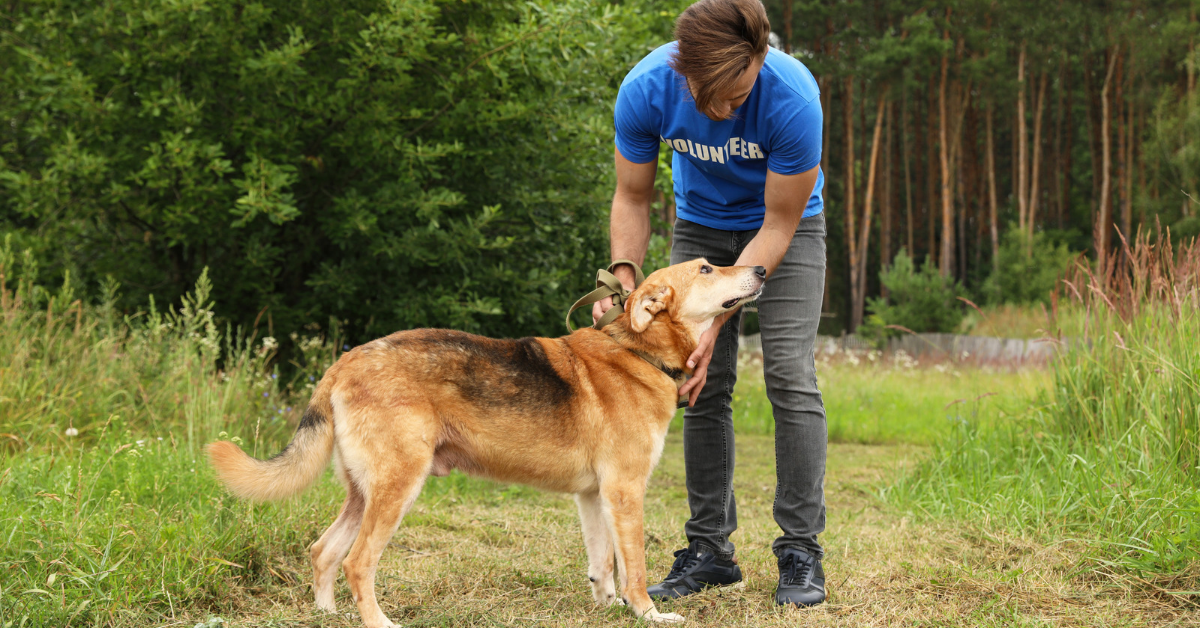
Animal welfare organizations depend heavily on the contributions of volunteers, foster caregivers, donors, and community partners.
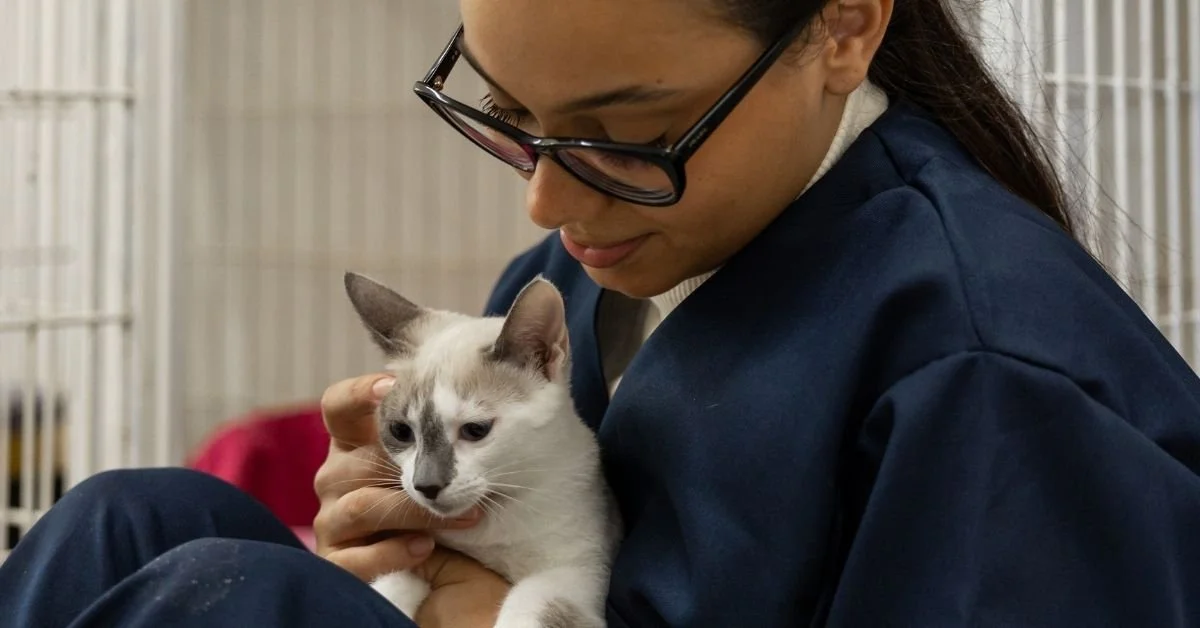
Foster programs can provide temporary homes for animals who are too young for adoption, recovering from medical treatment, experiencing stress in a shelter environment, or awaiting permanent placement.
Community participation can also extend beyond direct animal care to transportation, administrative assistance, fundraising, and public education.
NAWSSA proposes encouraging volunteer programs, community fundraising initiatives, and a coordinated national framework to support animal fostering.
What a national foster initiative could look like
Rather than replacing existing rescue networks, a national initiative could help eligible organizations expand foster recruitment, caregiver education, and access to necessary supplies.
Participation should remain voluntary, with appropriate screening, animal care guidance, and support for foster households.
Clear responsibilities would be essential. Organizations and caregivers would need to understand who is responsible for veterinary decisions, expenses, emergency care, and adoption arrangements.
A successful program would also recognize that fostering is not equally accessible to everyone. Housing restrictions, work schedules, transportation, and financial limitations can affect participation.
Community support works best when people have different ways to contribute according to their circumstances.
7. Implementation and Oversight: Turning Policy Goals Into Accountable Programs
A comprehensive animal welfare proposal requires more than a collection of promising initiatives.
It must explain how programs would be administered, how funds would be distributed, and how outcomes would be evaluated.
NAWSSA proposes establishing a National Animal Welfare Commission to help coordinate implementation, monitor progress, and support public accountability.
The precise authority and structure of such a commission would require legislative development.
Measuring meaningful progress
A future oversight framework could examine shelter intake, length of stay, reunification, adoption outcomes, access to veterinary services, and the use of public funds.
However, performance measures must be interpreted carefully.
For example, an organization accepting animals with complex medical or behavioral needs may face different challenges from one operating primarily through selective intake.
Comparing organizations without accounting for those differences could create misleading conclusions or unintended incentives.
Any national reporting system would therefore need consistent definitions, appropriate context, and safeguards against rewarding superficial improvements in statistics.
Public accountability should help identify effective programs, reveal unmet needs, and guide improvements rather than simply penalize organizations operating under difficult conditions.
What Would It Take for NAWSSA to Become Federal Legislation?
NAWSSA is currently a policy proposal, not an established federal program.
Turning its recommendations into legislation would require additional legal, financial, and administrative work.
A congressional proposal would need to specify which federal agencies would administer its programs, how much funding Congress would authorize or appropriate, which organizations and households would qualify, and how federal initiatives would interact with existing state and local responsibilities.
Tax incentives would require appropriate changes to federal tax law. Student loan assistance would need coordination with existing education and workforce programs. Housing provisions would need to account for established federal, state, and local legal frameworks.
The proposed National Animal Welfare Commission would also need a defined mandate, membership structure, reporting obligations, and legal authority.
These are not minor technical details. They determine whether a policy can operate fairly, efficiently, and within the limits of federal authority.
For that reason, NAWSSA should be understood as a starting framework for policy development, public discussion, and potential legislative consideration.
It does not establish new legal rights, create funding opportunities, or guarantee benefits in its present form.
How Could NAWSSA Make a Difference?
The potential value of NAWSSA lies in the connections between its recommendations.
Funding can help shelters provide care, but funding alone cannot resolve housing instability.
Adoption initiatives can help animals find homes, but they do not automatically ensure families have access to affordable veterinary services.
Education can improve understanding of animal care, but information alone cannot eliminate financial or geographic barriers.
NAWSSA attempts to bring these issues into a shared policy discussion.
If developed into effective legislation, its proposed measures could help strengthen shelter operations, expand preventive services, support families facing temporary difficulties, and encourage more coordinated approaches to animal welfare.
Those are intended outcomes, not guaranteed results.
Their success would depend on program design, adequate funding, local implementation, and continued evaluation.
Explore the NAWSSA Comprehensive Policy Proposal
This article accompanies the National Animal Welfare and Shelter Support Act Comprehensive Policy Proposal, an expanded reference document outlining the framework's seven principal policy areas.
The document is intended to support informed discussion among animal welfare advocates, shelter and rescue organizations, community members, and individuals interested in public policy.
It presents recommendations for consideration rather than enacted legal requirements.
Read the NAWSSA Comprehensive Policy Proposal (PDF)
The downloadable document provides a more detailed examination of the proposed measures, implementation considerations, and questions that would require further policy development.
Readers are encouraged to examine the recommendations critically, consider how they might apply to different communities, and participate in constructive discussions about improving animal welfare.
Building a More Supportive Future for Animals and the People Who Care for Them
Animal welfare is shaped by decisions made long before an animal arrives at a shelter.
It is influenced by whether veterinary care is accessible, whether families can find suitable housing, whether community organizations have adequate resources, and whether support is available when circumstances change.
NAWSSA offers one proposed framework for addressing those conditions through coordinated public policy.
Its recommendations require further research, legislative development, and input from the people and organizations directly affected by them.
That process matters. Effective animal welfare policy must be compassionate toward animals while remaining practical, equitable, and accountable to the communities it serves.
The future of animal welfare will depend not only on how we care for animals in shelters, but also on how thoughtfully we support the people and systems responsible for their well-being.
-
At The Green Muse, we believe that conscious living begins with curiosity, compassion, and access to trustworthy information. Through our articles on sustainable living, ethical fashion, mindful consumption, and animal welfare, we aim to make thoughtful choices more accessible without encouraging perfection or unnecessary consumption.
Transparency, editorial independence, and respect for our readers guide how we research, create, and maintain our content.
Editorial Integrity & Research
Our articles combine independent research, credible publications, publicly available information, and thoughtful editorial analysis. We may use digital research tools, trend analysis, and AI-assisted platforms to help gather, organize, and review information.
All content is reviewed before publication, with sources cross-checked where practical. We recognize that research evolves, information can become outdated, and no source or technology is infallible.
Our articles are intended to encourage informed decisions and further exploration, not to present any single lifestyle, product, or approach as the only responsible choice.
Affiliate Links & Brand Partnerships
Some articles contain affiliate links. When readers make qualifying purchases through these links, The Green Muse may earn a commission at no additional cost to them.
Affiliate partnerships help support our independent editorial work. We aim to feature brands, products, and services that are relevant to our content and consistent with our values. Commercial relationships do not guarantee favorable coverage or determine our editorial conclusions.
We encourage readers to consider their individual needs, research products independently, and make purchases thoughtfully.
External Links, Product Availability & Archived Content
Our articles may reference sustainable brands, products, nonprofit organizations, educational resources, and other third-party websites.
As brands evolve, products are discontinued, organizations update their websites, and affiliate programs change, some external links may become outdated, redirect, or stop working altogether.
We review and update content as resources allow, but cannot guarantee the continued availability, accuracy, pricing, or functionality of third-party websites and links. The inclusion of an external resource does not constitute an endorsement of every product, policy, or practice associated with that website.
Older articles remain part of our educational archive and may reflect information available at the time of publication. Readers are encouraged to verify current details directly with the relevant organizations or providers.
Animal Welfare, Rescue Advocacy & Adoptable Pets
Animal welfare is an important part of The Green Muse. Through educational articles, rescue resources, and The Green Muse Adoptables, we help raise awareness of shelter animals, responsible adoption, fostering, and the work of animal welfare organizations.
Our advocacy is independent and primarily volunteer-based. We are not a shelter, rescue organization, veterinary provider, or adoption agency. Unless explicitly stated, featuring an organization or animal does not imply an official affiliation, employment relationship, or financial compensation.
When sharing adoptable animals, we rely on information provided by shelters, rescue organizations, and other authorized sources. We make reasonable efforts to check and update information, but adoption status, location, medical details, and eligibility can change without notice.
All adoption inquiries, applications, and placement decisions must be handled directly by the responsible shelter or rescue organization.
Rescue Resources, Donations & Third-Party Organizations
Links to animal shelters, rescue groups, nonprofit organizations, donation pages, wishlists, and community programs are shared to help readers discover ways to support animal welfare.
The Green Muse does not operate or control these third-party organizations or their websites. We cannot guarantee their current practices, policies, fundraising activities, availability, or outcomes.
Readers should verify donation information, adoption procedures, and organizational details directly before making financial commitments or participating in programs.
Educational Information & Professional GuidanceContent published on The Green Muse is provided for general educational and informational purposes.
Discussions involving sustainability, environmental practices, animal health, shelter operations, adoption requirements, and related subjects should not replace guidance from qualified professionals.
For veterinary, medical, legal, or other specialized matters, readers should consult appropriately qualified professionals and the organizations directly responsible for individual cases.
Images, Creative Assets & Copyright
Images and creative materials featured on The Green Muse may come from licensed image libraries, design platforms, participating brands, photographers, shelters, rescue organizations, and other credited sources.
These may include Pexels, Unsplash, Canva, Getty Images, and materials supplied by organizations featured in our content.
Images are used according to applicable licenses, permissions, or other lawful grounds. Unless otherwise stated, copyright and ownership remain with their respective rights holders. Their appearance on our website does not imply that The Green Muse owns the original works or that the creators endorse our content.
Corrections, Updates & Community Collaboration
We welcome corrections and updated information from readers, brands, shelters, rescue organizations, and community partners.
Although we work to maintain accurate and useful content, information may change after publication. If you notice an outdated resource, broken link, incorrect attribution, or an animal profile requiring an update, please contact us.
Your input helps us maintain a more reliable and respectful educational resource for our community.
Contact: hello@thegreenmuseblog.com
Thank you for reading with curiosity, supporting independent content, and helping us build a more thoughtful relationship with the world around us.













A Note on Information & Community Respect
This article is shared for educational and awareness purposes. While we strive to provide accurate, reliable information, we encourage readers to explore additional sources and conduct their own research, as information and circumstances may change over time. When applicable, please verify current details directly with the shelter, rescue organization, or relevant official source.
We also ask that discussions remain kind, respectful, and constructive. Thoughtful conversations help us build a supportive community where animal welfare remains the priority.
Thank you for being part of a community that cares.

Explore the National Animal Welfare and Shelter Support Act (NAWSSA), a proposed policy framework addressing shelter funding, veterinary care, pet-friendly housing, and the support animals and their guardians need. Learn about its seven key proposals and access the comprehensive policy document.