The animals we don't always see
Animal rescue extends far beyond dogs and cats. Rabbits, guinea pigs, horses, birds, and other animals also need safe, suitable homes. Understanding their individual needs, the challenges facing their caregivers, and the responsibilities of adoption can help us make more informed and compassionate choices.
When we think about animal adoption, dogs and cats usually come to mind. Their photographs appear on shelter websites, rescue campaigns, and adoption announcements. We recognize their need for homes, and many of us understand at least the basics of caring for them.
But animal rescue reaches much further.
A rabbit may need a new home after a family discovers that caring for one requires more space and attention than expected. A horse may enter a rescue because an owner can no longer afford ongoing care. A guinea pig may be surrendered when housing circumstances change. A parrot may outlive the ability of its original caregiver to provide appropriate companionship and attention.
Their circumstances differ, but each animal deserves to have its welfare considered seriously.
Some of these animals are described as exotic pets, although the term can be misleading. Rabbits and guinea pigs are domesticated animals, while many birds, reptiles, and other species kept as companions have very different histories and care requirements. The broader category of animals beyond dogs and cats is often more useful when discussing adoption.
Understanding these distinctions matters because responsible adoption begins with recognizing that animals are not interchangeable. What makes a suitable home for a rabbit will not necessarily meet the needs of a bird, horse, or reptile.
Why do rabbits, horses, birds, and other animals enter rescue?
Animals enter rescue for many reasons, and abandonment or deliberate neglect is only part of the picture.
Changes in housing, financial hardship, illness, family circumstances, and a caregiver's ability to provide long-term care can all contribute to rehoming. Some animals are also removed from situations involving neglect or inadequate living conditions.
For certain species, the gap between what people expect and what appropriate care actually involves can be significant.
A small animal may be purchased under the assumption that it will be inexpensive or easy to care for. A horse may be acquired without a full understanding of the costs of boarding, veterinary treatment, and hoof care. A bird may be chosen for its appearance without sufficient consideration of its social, environmental, and behavioral needs.
These situations demonstrate why education matters before adoption.
They also remind us that surrender does not always mean a person stopped caring. Sometimes, finding a more suitable home is a difficult but necessary welfare decision.
A compassionate approach to rescue should support animals while recognizing the real challenges that caregivers may face.
The animals waiting beyond traditional shelters
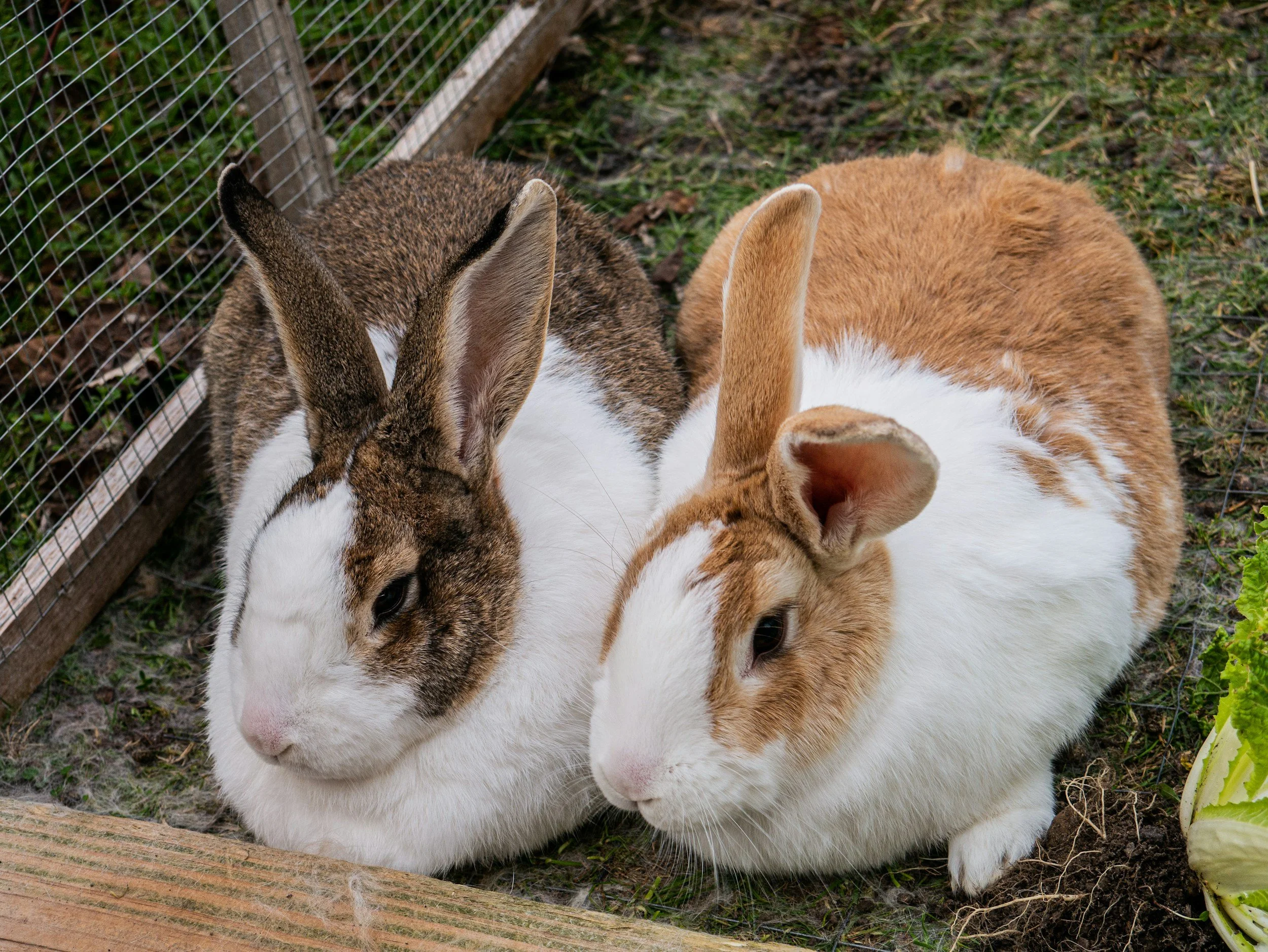
Rabbits: Small animals with complex needs
Rabbits are social, intelligent animals whose needs are often underestimated. They require room to run and explore, a fiber-rich diet based primarily on hay, appropriate veterinary care, and opportunities to express natural behaviors.
They generally benefit from living with a compatible rabbit companion. Bonded pairs should not be separated casually, and introducing unfamiliar rabbits requires care and patience.
According to the RSPCA, rabbits commonly live eight to twelve years, sometimes longer. Their size does not make them a short-term responsibility.
A suitable home offers much more than a cage. Rabbits need safe flooring, hiding spaces, enrichment, and enough continuous living space to move naturally.
Guinea pigs: Companionship and daily care
Guinea pigs are often presented as beginner pets, but their welfare depends on consistent, knowledgeable care.
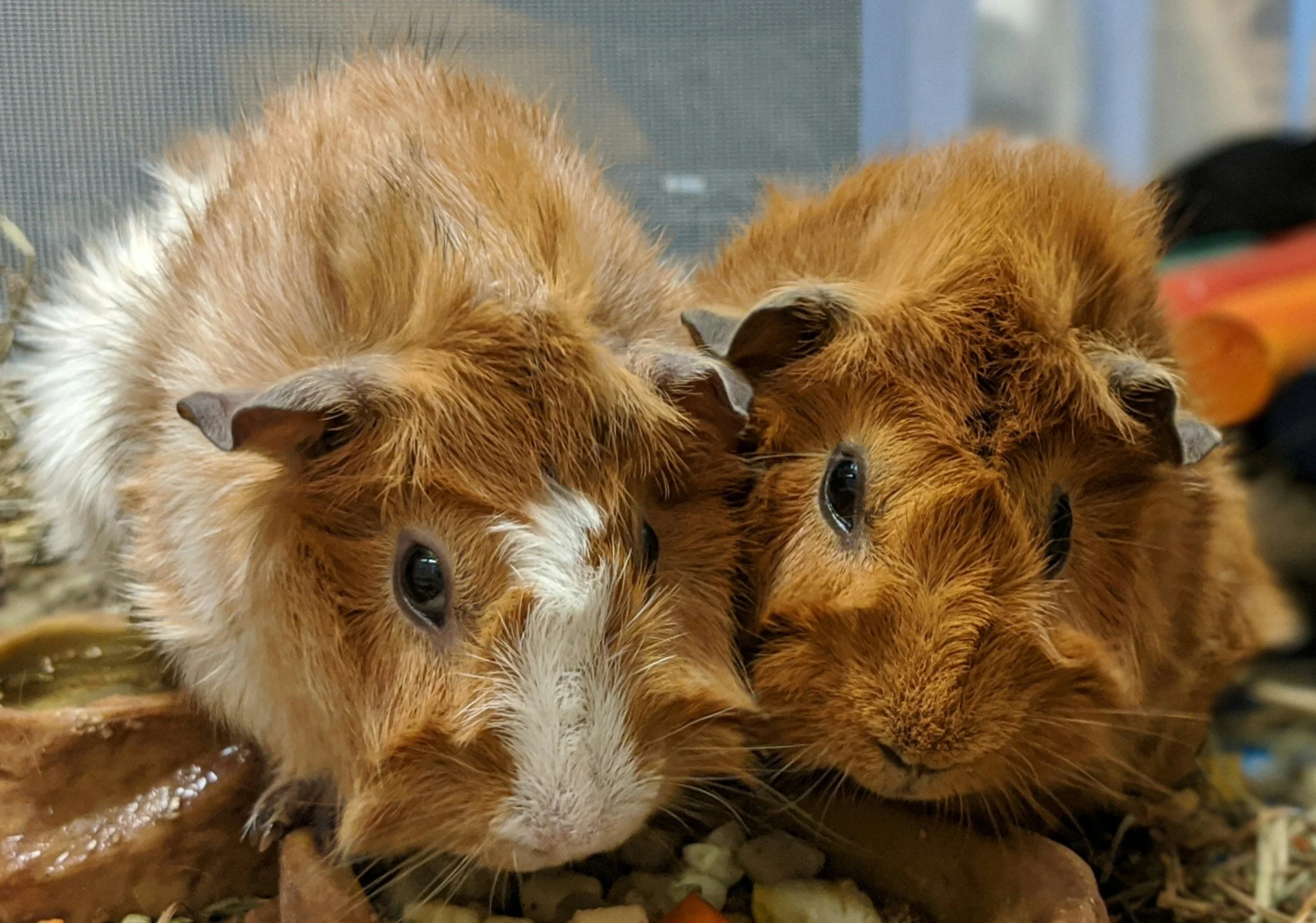
They need suitable companionship, plenty of floor space, places to hide, constant access to appropriate hay, and vitamin C in their diet, which they cannot produce in sufficient quantities.
Their needs are distinct from those of rabbits. Although both are small herbivores, they should not be housed together because they differ in communication, diet, and physical safety needs.
Adopting guinea pigs means preparing for ongoing enclosure cleaning, appropriate veterinary care, and daily observation of their health and behavior. A bonded pair may be a suitable adoption option when a rescue has assessed their compatibility.
Horses: A commitment that extends beyond the stable
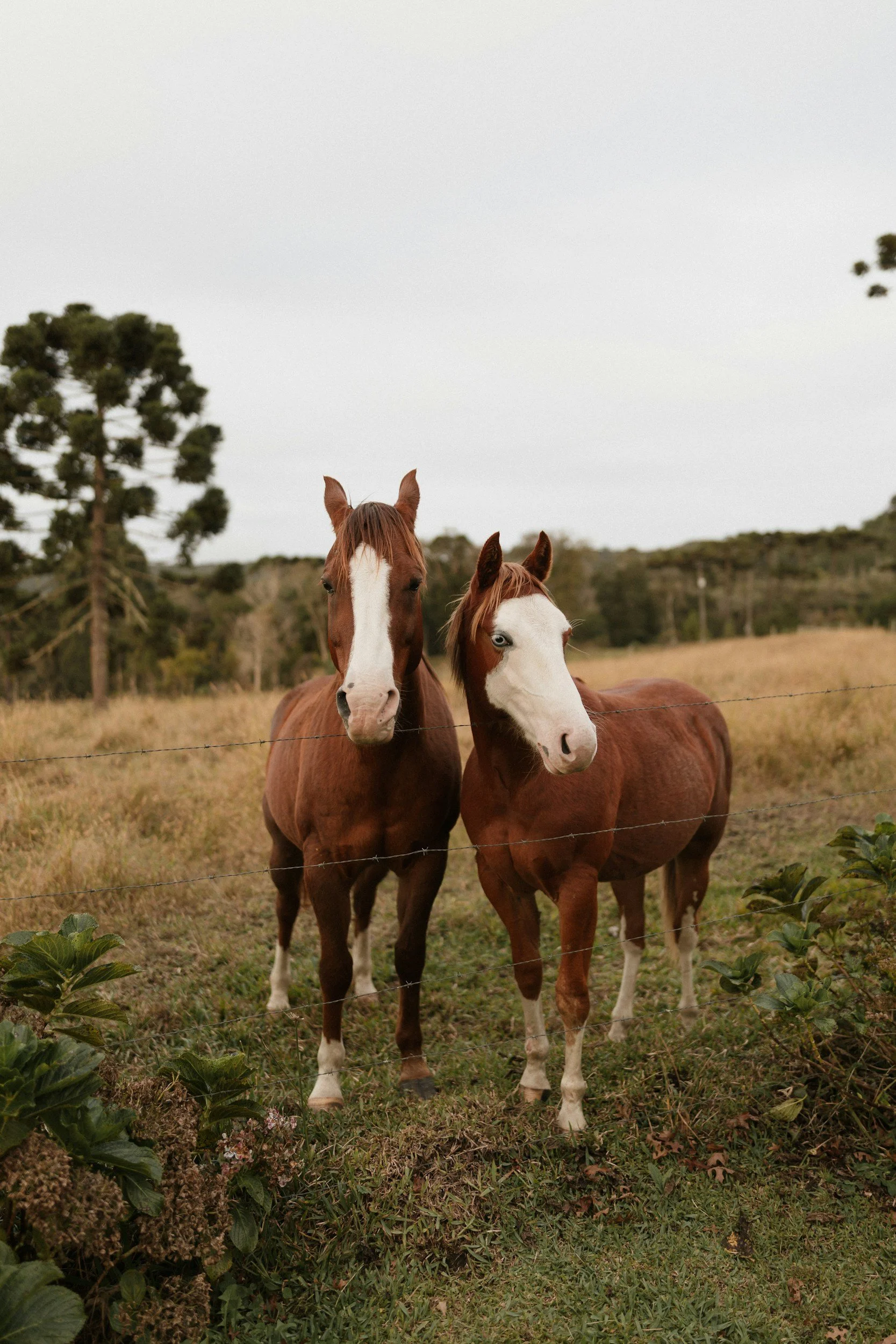
Horses may enter rescue or retirement programs because of neglect, changing ownership circumstances, medical needs, or the end of a previous working or riding arrangement.
Caring for a horse requires suitable land or boarding, appropriate nutrition, regular veterinary attention, hoof care, safe shelter, exercise, and compatible social contact.
The American Association of Equine Practitioners emphasizes that rescued horses may arrive with additional health challenges and that equine veterinarians are essential partners in their care.
Not every adoptable horse is suitable for riding. Some need retirement homes or experienced caregivers who can manage chronic conditions. A horse's value should never depend solely on what it can do for a person.
Birds: Intelligence, companionship, and long-term responsibility
Companion birds include species with widely different needs. Small finches, budgerigars, cockatiels, and large parrots should not be treated as one category of care.
Many birds need extensive mental stimulation, safe opportunities for movement and flight, suitable social interaction, species-appropriate diets, and veterinary care from professionals experienced with birds.
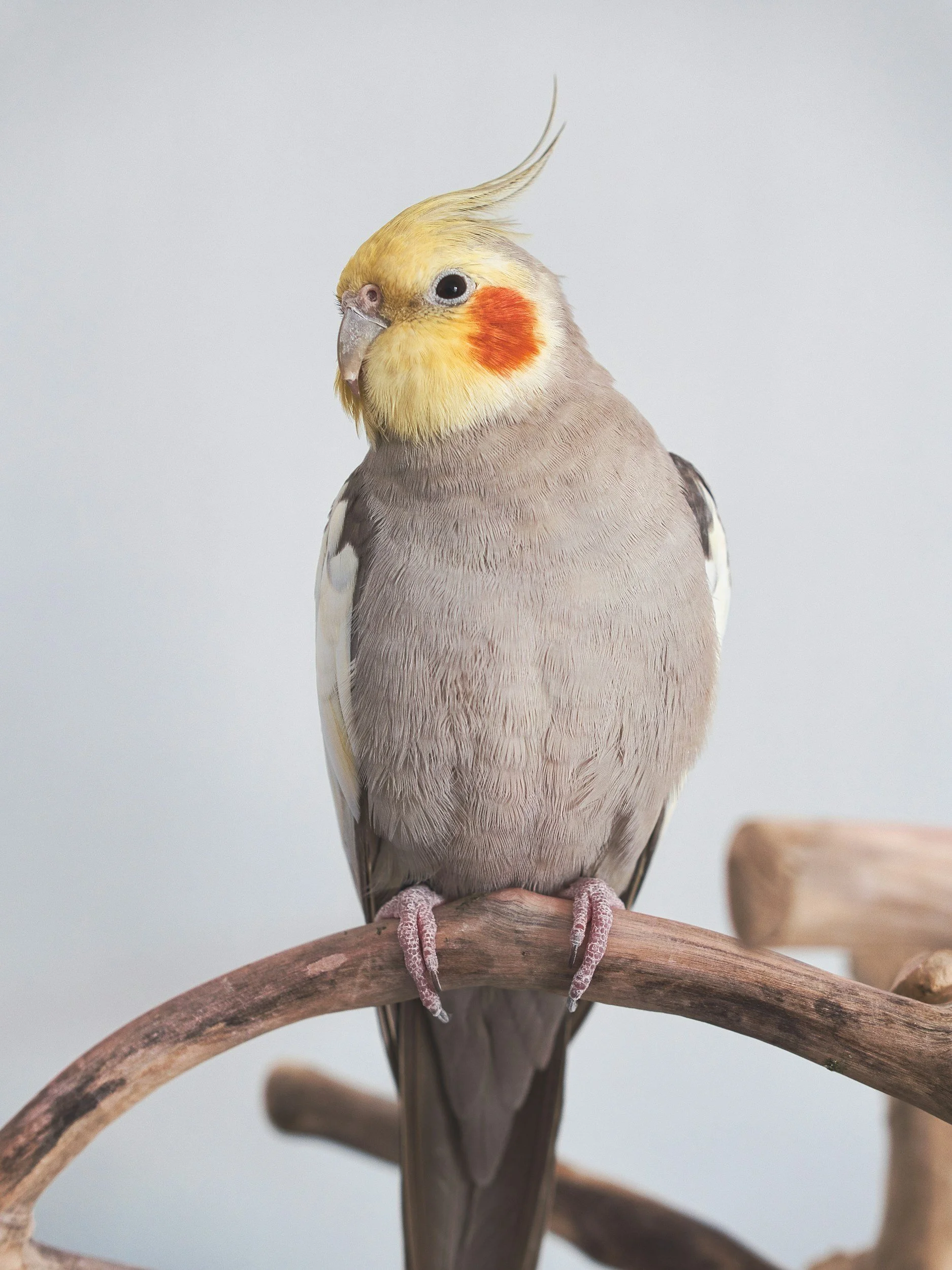
Large parrots present particular challenges. The ASPCA cautions that their intelligence, social requirements, vocalizations, and potentially very long lifespans make them unsuitable for many households.
Adoption should begin with understanding the species, not simply admiring its appearance or ability to mimic sounds.
A bird may also need a carefully planned transition into a new home. Changes in routine, social relationships, and environment can affect its welfare.
Farm animals and reptiles: Different needs, different responsibilities
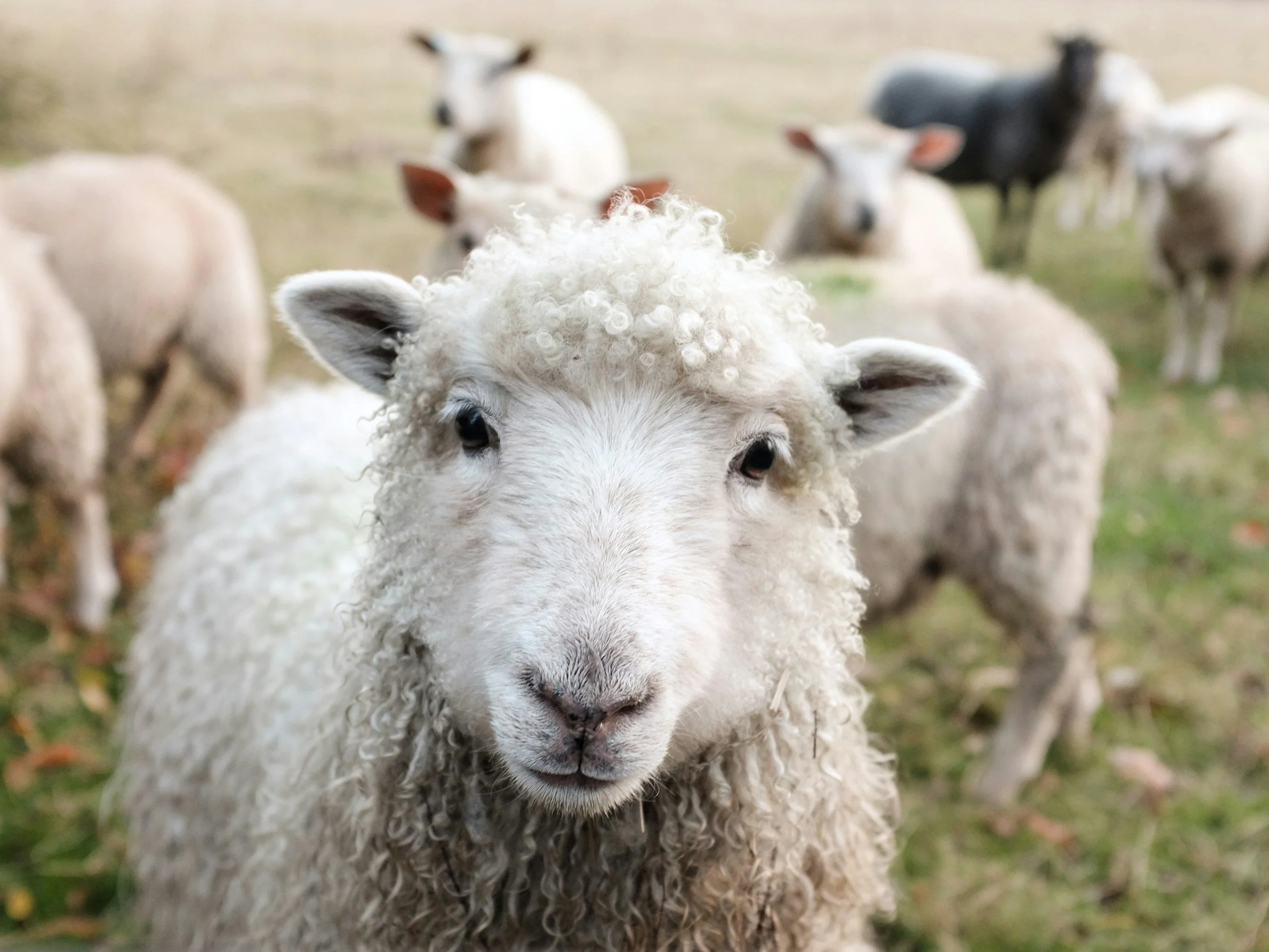
Goats, sheep, pigs, chickens, and other farm animals may be placed through sanctuaries or specialist rehoming programs. Their care can involve zoning restrictions, appropriate fencing, veterinary services, herd or flock companionship, and substantial ongoing costs.
Reptiles require an entirely different approach. Their housing may depend on carefully controlled temperatures, humidity, lighting, and species-specific nutrition.
Turtles, for example, may require decades of care. They can also carry Salmonella, and releasing captive turtles into the wild is not an acceptable rehoming solution.
Some animals are better suited to accredited sanctuaries or experienced specialist caregivers than ordinary household adoption. Wildlife should not be collected from nature or treated as an adoption opportunity.
What responsible adoption really requires
The decision to adopt an animal should begin with a realistic assessment of what that animal needs, rather than what we hope companionship will look like.
An animal's size, appearance, or reputation as an easy pet tells us very little about the complexity of its care.
Before adopting, consider the following.
Space and living environment
Can your home provide the animal with enough room to move, rest, hide, explore, and engage in normal behaviors?
A rabbit needs more than a small hutch. A bird needs more than a decorative cage. A horse needs a safe, properly managed environment that supports its physical and social needs.
Housing requirements also depend on local regulations, rental agreements, climate, and the presence of other animals.
Veterinary care and financial planning
Specialized veterinary care is not equally accessible everywhere.
Before adopting, identify a veterinarian who treats the species you are considering. Ask whether routine appointments, emergency care, and after-hours services are available.
The financial commitment extends beyond an adoption fee. Food, bedding, habitat maintenance, preventive care, transportation, and unexpected medical treatment must all be considered.
For horses, boarding and farrier services may be major recurring expenses. For reptiles, appropriate equipment and ongoing environmental management are essential. Small mammals can also develop serious conditions requiring specialized treatment.
A lower adoption fee does not necessarily mean lower lifetime costs.
Time, companionship, and daily routines
Every species has its own social and behavioral needs.
Some animals benefit from compatible members of their own species. Others may require careful separation, controlled introductions, or specialized enrichment.
Daily care is not simply providing food and water. It may include cleaning, monitoring health, offering enrichment, maintaining appropriate environmental conditions, and observing changes in behavior.
Consider how care will continue during vacations, illness, changes in employment, or other disruptions.
Lifespan and long-term planning
Adoption is a commitment to an animal's foreseeable lifetime.
Some rabbits may live for more than a decade. Horses and certain parrots can require care for several decades. Individual lifespans vary, but the possibility of a long commitment should influence adoption decisions.
For particularly long-lived animals, a responsible plan may include identifying a trusted future caregiver and documenting important veterinary and care information.
How to find a reputable rescue or adoption organization
Not every organization offering animals for adoption operates in the same way.
Some are municipal shelters. Others are registered nonprofits, private rescues, foster networks, equine retirement facilities, or farm sanctuaries.
The ASPCA notes that adoption organizations may specialize in particular species or care for a broad range of domestic animals. Their application processes, fees, and placement policies can vary.
A responsible organization should be willing to explain the animal's known history, current health, behavioral needs, and the conditions required for a suitable placement.
Look for transparency about veterinary records, adoption agreements, fees, and any restrictions on future transfer or rehoming.
Ask how the organization evaluates prospective adopters and what support it provides after placement.
For horses, consider whether the rescue has appropriate veterinary oversight, safe facilities, and a clear adoption or retirement agreement.
For birds and reptiles, confirm that the organization understands the species and complies with relevant laws governing possession, transfer, and transportation.
Be cautious when an organization pressures you to make an immediate decision, refuses reasonable questions, or cannot explain where an animal came from.
A reputable rescue does not need to be perfect or have unlimited resources. It should, however, demonstrate that the animal's welfare guides its decisions.
Questions to ask before adopting
A thoughtful conversation with the rescue can reveal information that a short adoption profile cannot.
What is known about the animal's age, history, and health?
Has the animal received a veterinary examination, and are records available?
Does the animal have a bonded companion or specific social needs?
What diet, housing, and daily routine is it accustomed to?
Are there behavioral concerns or medical conditions requiring ongoing care?
What experience does the rescue recommend for an adopter?
What happens if the placement does not work out?
Is there a written adoption agreement, and what responsibilities does it establish?
Not every rescue will know an animal's complete history. Unknown information should be acknowledged rather than replaced with assumptions.
Adoption is not the only way to help
A person may care deeply about animals without having the space, financial resources, or circumstances needed to adopt.
That does not exclude them from meaningful participation in animal welfare.
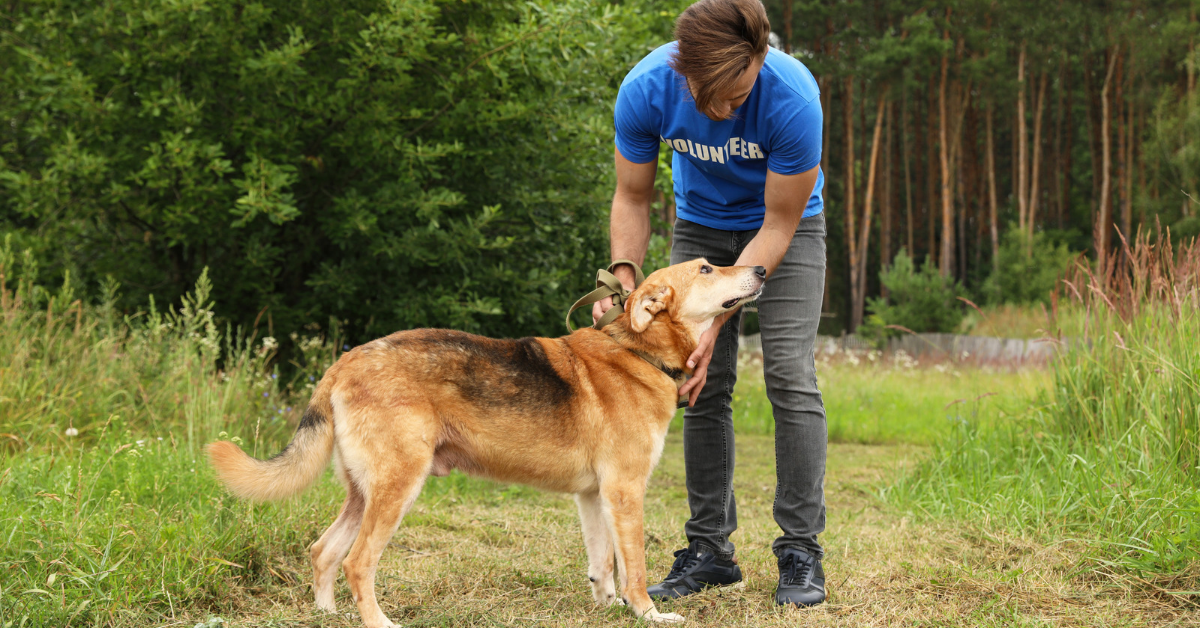
Specialist rescues may need volunteers to clean enclosures, prepare food, assist with transportation, maintain facilities, or support administrative work.
Some organizations offer fostering opportunities, although caring for horses, birds, reptiles, and other species may require additional experience or equipment.
Financial contributions can support veterinary treatment, food, housing maintenance, and other documented needs. Donating supplies can also help, provided the organization confirms what it can safely use.
Sharing verified adoption information is another practical contribution. A clear, accurate post that directs interested people to the responsible rescue can help an animal reach a suitable prospective adopter.
The ASPCA identifies fostering and volunteering as ways people can support animals when adoption is not possible.
There is also value in helping existing caregivers keep their animals when doing so is safe and appropriate. Access to veterinary care, temporary assistance, and responsible rehoming resources can sometimes prevent a crisis from becoming a surrender.
Why education belongs at the center of animal rescue
Rescue is often discussed through individual stories. Those stories matter, but lasting animal welfare also depends on what happens before and after an adoption.
A family that understands rabbit companionship may be better prepared to adopt a bonded pair. Someone researching horse ownership may recognize that providing retirement care is more appropriate than expecting a rescued horse to be ridden. A prospective bird adopter may decide to volunteer with an avian rescue before making a lifelong commitment.
These are valuable outcomes, even when they do not immediately result in an adoption.
Education can help people recognize unsuitable living conditions, prepare realistic budgets, seek veterinary guidance, and make decisions that respect an animal's needs.
It can also change the way we discuss surrender. Rather than treating every rehoming situation as a personal failure, we can recognize the importance of accessible resources, informed decisions, and safe placement options.
Animal welfare is not served by encouraging every interested person to adopt. It is served by helping each animal reach an environment capable of meeting its needs.
A more thoughtful way to help
For readers interested in supporting animals beyond dogs and cats, the most useful first step is to learn about one species.
Read its care requirements from a reputable animal welfare or veterinary organization. Identify rescues that specialize in that species. Understand what appropriate housing, nutrition, companionship, and healthcare involve.
If adoption becomes a realistic possibility, speak with experienced caregivers and the rescue organization before applying.
If adoption is not possible, consider volunteering, supporting a verified rescue, or sharing accurate educational information.
Compassion does not require taking on more responsibility than we can sustain. Sometimes it means recognizing our limits and finding another way to contribute.
Frequently asked questions
-
They should not be housed together. Their dietary, behavioral, and communication needs differ, and rabbits can accidentally injure guinea pigs. Each species benefits from appropriate companionship of its own kind.
Source: rspca.org.uk
-
Not necessarily. Rabbits have specialized dietary, housing, social, and veterinary needs. They may be quieter than some dogs, but they still require daily care, substantial space, and long-term planning.
-
Some first-time owners may be able to adopt with extensive preparation and experienced professional support. However, horse ownership requires significant financial resources, suitable facilities, and knowledge of equine behavior and healthcare. The individual horse's needs must guide the decision.
-
It can be appropriate for a household prepared for the bird's species-specific needs, including enrichment, social interaction, veterinary care, and a potentially very long lifespan. Large parrots in particular require careful consideration.
-
Start with established local shelters and specialist rescues. National adoption resources can also help identify organizations that rehome rabbits, horses, birds, small mammals, and other domestic animals. Confirm availability and adoption requirements directly with the organization.
Every animal deserves to be understood
A rabbit resting beside its bonded companion, a horse spending its later years in a safe pasture, or a bird living in an environment that supports its natural behavior may not fit the familiar image of animal adoption.
Yet their welfare matters just as much.
Expanding our understanding of rescue means recognizing the diversity of animals who depend on human care and the responsibilities that come with that relationship.
Not every animal needs the same kind of home. Not every person is in a position to adopt. But accurate information, responsible decisions, and support for reputable rescue work can help create better outcomes for animals whose needs are too easily overlooked.
Explore Beyond Dogs & Cats
Interested in learning more about adopting rabbits, horses, birds, or other animals?
Our Beyond Dogs & Cats Adoption Directory connects readers with rescue organizations and adoption resources for animals who are often overlooked. Explore species-specific information, discover reputable rescue networks, and take the time to understand what responsible adoption involves.
-
At The Green Muse, we believe that conscious living begins with curiosity, compassion, and access to trustworthy information. Through our articles on sustainable living, ethical fashion, mindful consumption, and animal welfare, we aim to make thoughtful choices more accessible without encouraging perfection or unnecessary consumption.
Transparency, editorial independence, and respect for our readers guide how we research, create, and maintain our content.
Editorial Integrity & Research
Our articles combine independent research, credible publications, publicly available information, and thoughtful editorial analysis. We may use digital research tools, trend analysis, and AI-assisted platforms to help gather, organize, and review information.
All content is reviewed before publication, with sources cross-checked where practical. We recognize that research evolves, information can become outdated, and no source or technology is infallible.
Our articles are intended to encourage informed decisions and further exploration, not to present any single lifestyle, product, or approach as the only responsible choice.
Affiliate Links & Brand Partnerships
Some articles contain affiliate links. When readers make qualifying purchases through these links, The Green Muse may earn a commission at no additional cost to them.
Affiliate partnerships help support our independent editorial work. We aim to feature brands, products, and services that are relevant to our content and consistent with our values. Commercial relationships do not guarantee favorable coverage or determine our editorial conclusions.
We encourage readers to consider their individual needs, research products independently, and make purchases thoughtfully.
External Links, Product Availability & Archived Content
Our articles may reference sustainable brands, products, nonprofit organizations, educational resources, and other third-party websites.
As brands evolve, products are discontinued, organizations update their websites, and affiliate programs change, some external links may become outdated, redirect, or stop working altogether.
We review and update content as resources allow, but cannot guarantee the continued availability, accuracy, pricing, or functionality of third-party websites and links. The inclusion of an external resource does not constitute an endorsement of every product, policy, or practice associated with that website.
Older articles remain part of our educational archive and may reflect information available at the time of publication. Readers are encouraged to verify current details directly with the relevant organizations or providers.
Animal Welfare, Rescue Advocacy & Adoptable Pets
Animal welfare is an important part of The Green Muse. Through educational articles, rescue resources, and The Green Muse Adoptables, we help raise awareness of shelter animals, responsible adoption, fostering, and the work of animal welfare organizations.
Our advocacy is independent and primarily volunteer-based. We are not a shelter, rescue organization, veterinary provider, or adoption agency. Unless explicitly stated, featuring an organization or animal does not imply an official affiliation, employment relationship, or financial compensation.
When sharing adoptable animals, we rely on information provided by shelters, rescue organizations, and other authorized sources. We make reasonable efforts to check and update information, but adoption status, location, medical details, and eligibility can change without notice.
All adoption inquiries, applications, and placement decisions must be handled directly by the responsible shelter or rescue organization.
Rescue Resources, Donations & Third-Party Organizations
Links to animal shelters, rescue groups, nonprofit organizations, donation pages, wishlists, and community programs are shared to help readers discover ways to support animal welfare.
The Green Muse does not operate or control these third-party organizations or their websites. We cannot guarantee their current practices, policies, fundraising activities, availability, or outcomes.
Readers should verify donation information, adoption procedures, and organizational details directly before making financial commitments or participating in programs.
Educational Information & Professional Guidance Content published on The Green Muse is provided for general educational and informational purposes.
Discussions involving sustainability, environmental practices, animal health, shelter operations, adoption requirements, and related subjects should not replace guidance from qualified professionals.
For veterinary, medical, legal, or other specialized matters, readers should consult appropriately qualified professionals and the organizations directly responsible for individual cases.
Images, Creative Assets & Copyright
Images and creative materials featured on The Green Muse may come from licensed image libraries, design platforms, participating brands, photographers, shelters, rescue organizations, and other credited sources.
These may include Pexels, Unsplash, Canva, Getty Images, and materials supplied by organizations featured in our content.
Images are used according to applicable licenses, permissions, or other lawful grounds. Unless otherwise stated, copyright and ownership remain with their respective rights holders. Their appearance on our website does not imply that The Green Muse owns the original works or that the creators endorse our content.
Corrections, Updates & Community Collaboration
We welcome corrections and updated information from readers, brands, shelters, rescue organizations, and community partners.
Although we work to maintain accurate and useful content, information may change after publication. If you notice an outdated resource, broken link, incorrect attribution, or an animal profile requiring an update, please contact us.
Your input helps us maintain a more reliable and respectful educational resource for our community.
Contact: hello@thegreenmuseblog.com
Thank you for reading with curiosity, supporting independent content, and helping us build a more thoughtful relationship with the world around us.















A Note on Information & Community Respect
This article is shared for educational and awareness purposes. While we strive to provide accurate, reliable information, we encourage readers to explore additional sources and conduct their own research, as information and circumstances may change over time. When applicable, please verify current details directly with the shelter, rescue organization, or relevant official source.
We also ask that discussions remain kind, respectful, and constructive. Thoughtful conversations help us build a supportive community where animal welfare remains the priority.
Thank you for being part of a community that cares.

Animal rescue goes beyond dogs and cats. Discover the often-overlooked rabbits, horses, birds, and other animals in need of homes, and learn how responsible adoption, education, and compassionate choices can make a difference.